

Amid the ‘Great Resignation’, 29% of women considered leaving work due to inadequate support.
- International Women’s Day highlights the need for continuous advocacy for women’s rights.
- Promoting inclusion can help businesses retain top female talent and drive fairness year-round.
- Equality in pay and benefits remains crucial to retaining female employees.
- Fostering company culture and mentorship can address gender disparities and support women at work.
Amid the ‘Great Resignation’, recent data shows that 29% of women are considering leaving their jobs, contemplating reduced hours, or exiting the workforce altogether. This statistic underscores the urgent need for businesses to address the factors contributing to this trend. Caroline Gleeson, CEO at Occupop, remarked that the spirit of International Women’s Day should extend beyond a single day, serving as a catalyst for sustainable change. She stated, “International Women’s Day is a day of celebration and advocacy for women’s rights and equality around the world, but it doesn’t have to end there. This spirit of inclusion can be a springboard to fairer practices all year round.”
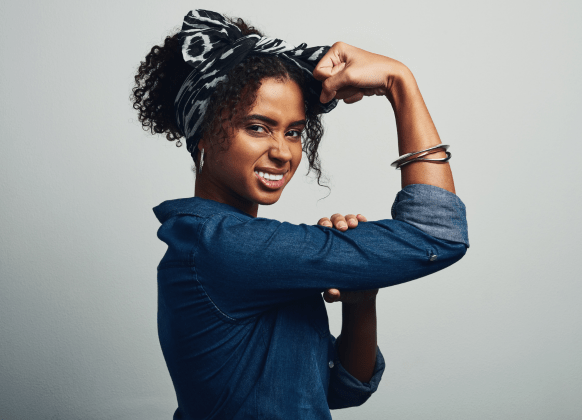
Promoting inclusion is a key theme for 2024, encouraging businesses to embrace inclusive practices both on an individual and organisational level, whether through visible actions like the #InspireInclusion pose or more structural reforms. Implementing events to celebrate female colleagues, such as seminars or coffee mornings, and engaging staff with wider online industry events are recommended strategies to foster a supportive work environment.
Gender disparity remains a stark reality, as outlined by data from Lean In and McKinsey, pointing to the disproportionate impact of the Great Resignation on women. The persistent 14% pay gap between men and women in the UK is a significant concern, which if unaddressed, may take over 50 years to close at the present rate of progress. The ‘Motherhood Penalty’, exacerbated by unequal childcare responsibilities, adds to this disparity, further complicating women’s participation in the workforce.
To tackle these challenges, ensuring equal pay and benefits is foundational. Regular pay audits and transparent communication regarding pay structures can help build trust. Expanding benefits to include parental leave, childcare assistance, and wellness programs is also vital. According to Caroline Gleeson, technology can aid in this process, using unbiased AI in recruitment to help eliminate unconscious biases and create opportunities for a fairer workplace.
Building an inclusive company culture where women feel heard and respected is essential. Caroline Gleeson highlighted that recruitment software, such as an applicant tracking system, could be instrumental in reducing implicit bias, ensuring that every candidate is evaluated on merit. This move towards a diverse workplace not only benefits existing female employees but also enhances company loyalty.
Additionally, addressing barriers such as lack of mentorship and networking opportunities is crucial. Establishing robust mentorship initiatives that link female employees with seasoned leaders can provide valuable guidance. Emphasising career development programs can further enhance skills and enable women to break through ‘glass ceilings’, ensuring they are not confined to entry-level roles exclusively.
Acknowledging the inherent imbalance in domestic responsibilities placed upon women, offering flexible working arrangements becomes imperative. A 2023 Deloitte survey revealed that inflexible work hours were a significant reason for 14% of women leaving their jobs. Therefore, incorporating flexible hours, remote work, and compressed workweeks can substantially contribute to achieving a better work-life balance for women.
Prioritising female retention post-‘Great Resignation’ is imperative for UK businesses, with IWD being a perfect catalyst for a more equitable workforce.

