
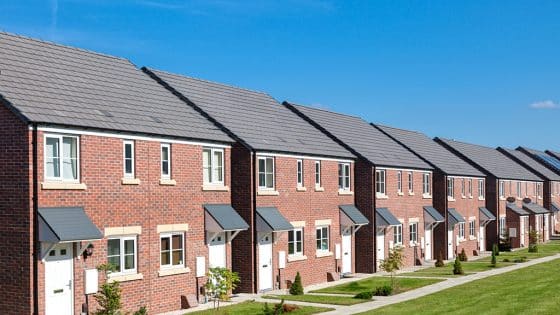

The housing market is showing signs of recovery, even amidst lingering safety concerns.
- Construction output is predicted to grow by 2.5% in 2025, spurred by a reviving housing market.
- The private housing sector is on a rebound due to falling mortgage and interest rates.
- The Building Safety Act is causing delays, yet growth remains steady in other areas.
- Upcoming budget decisions could significantly impact housing and infrastructure investments.
Output in the construction industry is forecasted to grow by 2.5% in 2025, largely driven by a healing housing market, despite ongoing issues related to building safety. The Construction Products Association (CPA) notes that the Building Safety Act has led to significant delays in starting high-rise housing and commercial projects, yet expectations for recovery persist.
The private housing sector, a dominant force in construction, is witnessing a gradual demand recovery, influenced by falling interest and mortgage rates. The CPA projects an 8% growth in private housing output by 2027 and 7% in 2026, despite an anticipated 9% decline this year. Improved prospects for housebuilders are foreseen, with potential easing of planning bottlenecks due to proposed government changes.
However, persistent supply challenges continue to impact the housing outlook, including insufficient planning resources for local authorities and ongoing biodiversity concerns. The Building Safety Act, particularly Gateway 2, alongside the Building Safety Regulator, is contributing to considerable delays in project initiations for higher-risk constructions.
Growth in repair, maintenance, and improvement (RM&I) work in the private sector is also expected, with a 3% increase anticipated in 2025 and 4% in 2026, following this year’s 4% decrease. The CPA emphasises the importance of the upcoming budget, urging Chancellor Rachel Reeves to stimulate demand in the private housing market and notably increase affordable housing funding.
The CPA’s outlook for the broader construction sector remains stable compared to earlier forecasts. However, Reeves’ policy decisions could have a profound impact on needed investments in health, education, and infrastructure. The infrastructure sector is anticipated to grow by 1.6% in 2025, climbing to 3.8% in 2026, with heightened activity in the energy sector.
Significant growth is noted in windfarm projects, spurred on by the removal of the ban on onshore wind. Major infrastructure developments such as HS2 and Hinkley Point C remain robust, with consistent progress in rail, energy, and water sectors. Yet, projections for the water sector show limited growth before 2026, with declining activity on the Thames Tideway project potentially offsetting advancements elsewhere.
CPA’s economic director, Noble Francis, highlights several risks confronting the sector, particularly following the collapse of ISG—the largest of over 10,000 construction company failures in the last two years. High costs, project delays, and skill shortages are affecting the supply chain under fixed-price contracts. Concerns linger over potential government cuts to capital expenditure, possibly pausing or cancelling key infrastructure projects, which could overshadow housing and RM&I recovery.
While the construction industry shows signs of recovery, safety concerns and economic uncertainties persist.

