
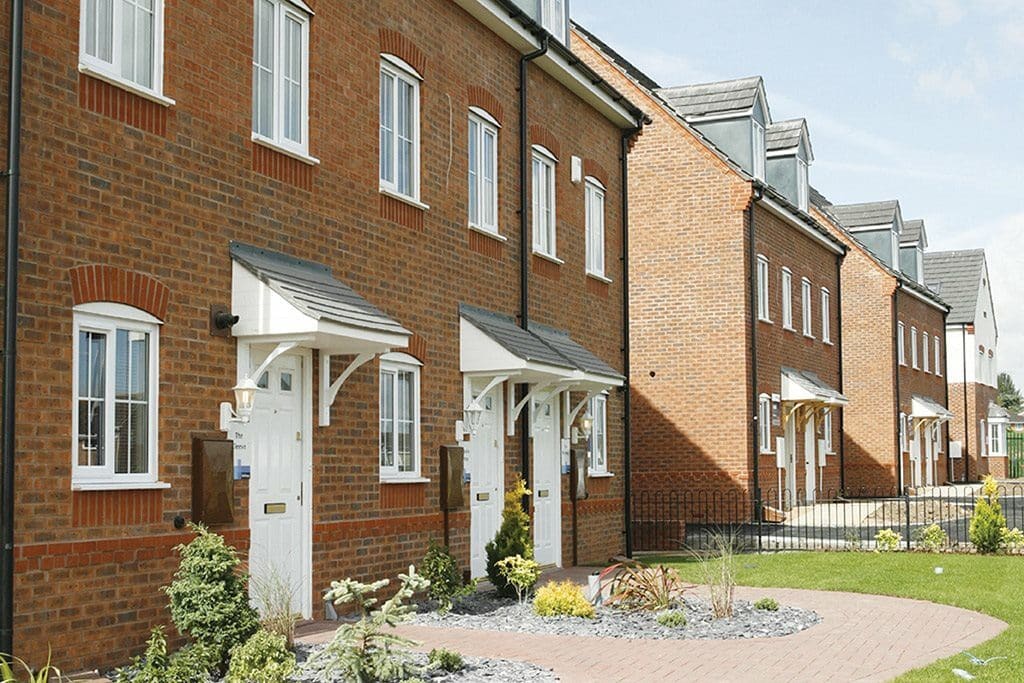

A pivotal decision-making process is underway to determine the locations for new towns in the UK, a move critical for addressing the housing shortage.
- Deputy Prime Minister Angela Rayner appointed experts to lead this charge.
- Kate Barker, former economist, and Sir Michael Lyons, ex-BBC chairman, helm the taskforce.
- The taskforce aims for a strategic approach involving local communities.
- Proposals will focus on affordable housing and sustainable development.
In a significant move addressing the housing dilemma, Deputy Prime Minister Angela Rayner has established a taskforce to identify suitable sites for new town developments across the UK. The initiative, spearheaded by notable figures Kate Barker and Sir Michael Lyons, promises a thorough examination of potential locations, factoring in community input and sustainable growth.
The appointed leaders bring a wealth of experience to the table. Kate Barker, having served as a chief economic adviser and as a Bank of England monetary committee member, and Sir Michael Lyons, with extensive experience in local government and housing consultancy, both have a history of addressing housing supply issues, as evidenced by their previous critiques written in 2004 and 2014 respectively.
Over the forthcoming year, this seasoned duo will engage with communities to co-design development plans. The engagement strategy is intended to ensure the newly proposed towns are developed in areas that align with local needs and preferences, incorporating public opinion into the larger framework for development.
According to Rayner, the envisioned towns will not merely serve as residential areas but will integrate vital green spaces and job opportunities, creating holistic living environments. Each site is expected to adhere to a “New Towns Code”, which includes a mandate for 40 per cent affordable housing and necessary public services, ensuring they are well-equipped to support the populace.
Lyons, who actively leads the drive, stated that the taskforce’s mission is to align with governmental vision while addressing local community needs, underscoring the importance of strategic placement and development planning. His leadership role extends to his chairmanship of SQW and other significant housing advisory roles.
The proposed new towns will encompass diverse forms, from greenfield sites to urban regeneration schemes, emphasising adaptability and responsiveness to different geographic and demographic conditions. This framework seeks to support economic growth while rectifying housing shortages.
These initiatives reflect a concerted, multifaceted approach to developing new towns that align with both economic growth objectives and community needs.

