
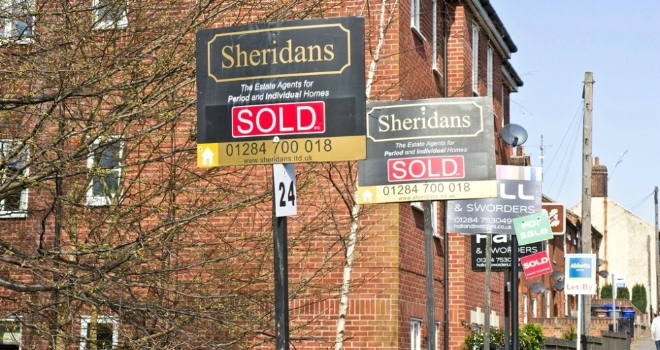

The housing market is experiencing suppressed price growth due to increased property supply, according to recent data.
- Average property prices have risen by just 0.3% this month, far below the typical October growth.
- An unprecedented choice for buyers has emerged, not seen for a decade, enhancing their negotiating power.
- Despite uncertainties surrounding the upcoming Autumn Budget, sales activities show a robust upward trend.
- High-end properties face intense competition, with mortgage rates slightly increasing after months of decline.
In recent findings, the housing market has displayed a restrained increase in property prices, with the average price rising by only 0.3% this month. This contrasts sharply with the usual 1.3% increase seen in October historically, as reported by Rightmove. The current landscape is increasingly favourable for buyers due to an unparalleled selection of properties, the most extensive in ten years. This escalation in supply has placed a downward pressure on price growth, empowering buyers with substantial negotiating leverage.
While the market’s vigorous activity endures, some factors have contributed to the limited price escalation. Several sellers are adhering to agent advisories to set competitive pricing, a strategy crucial in the face of growing seller rivalry. Although affordability remains a pressing concern, there are indications that conditions may ameliorate in the forthcoming year.
Encouragingly, the level of sales agreed upon has surged by 29% compared to last year, signifying a robust recovery from the previous year’s downturn. The number of prospective buyers contacting agents has also grown by 17%, suggesting sustained interest and planning for future relocation. However, the market’s resilience is challenged by the rising number of properties entering the marketplace, coupled with slower selling rates, a scenario that reflects ongoing affordability issues for certain buyers.
Notably, available housing stock has increased by 12% from the previous year, with estate agents reporting the highest average number of listings since 2014. The competition is particularly fierce in the top-tier market segments, notably among larger detached homes, where supply enjoys a 17% rise over last year.
Following an extended period of falling mortgage rates aided by August’s Bank Rate cut, recent geopolitical tensions have interrupted this trend. Current average five-year fixed rates have edged up slightly to 4.61%, from 4.55% last week, marking the first rise since May. Although this increment is minor when juxtaposed with the 6.11% peak in July 2023, even minimal rate hikes may dampen home-buying sentiment.
Further affecting household budgets, energy costs have surged, with the average annual bill for homes with a typical EPC rating of D climbing by £224. Despite these ongoing pressures, there is optimism for 2025 as financial markets predict two additional Bank Rate cuts by year-end. Rightmove suggests that should these cuts materialize, combined with wage increases and continued modest house price growth, they could significantly advance buyer affordability.
The housing market remains dynamic, with buyer empowerment counterbalancing affordability challenges and high property supply.

