
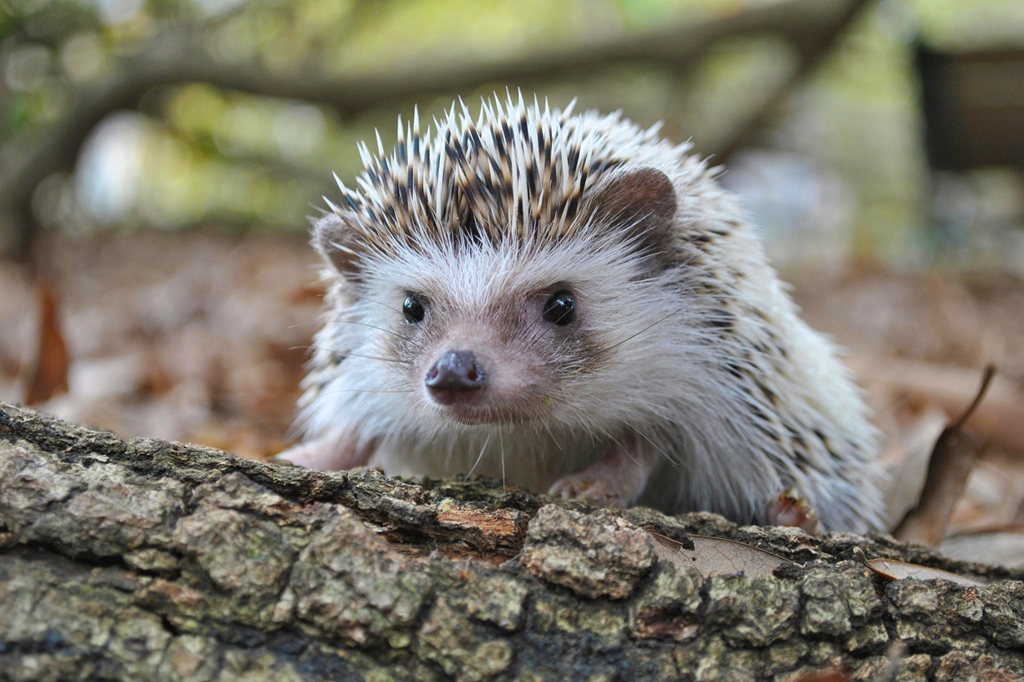

Several leading UK house-builders are prioritising wildlife conservation.
- The Homes for Nature commitment sees bird-nesting bricks and boxes for new homes.
- Hedgehog highways are to become standard in low-rise developments.
- The initiative reflects a shift towards eco-friendly building practices.
- Backed by major industry leaders, the project could transform urban nature.
In a marked advancement for wildlife support within urban developments, numerous prominent UK house-builders have pledged to incorporate ecological features into their new projects. This initiative, known as the Homes for Nature commitment, aims to integrate a bird-nesting brick or box for every newly constructed home. Furthermore, hedgehog highways will be standardised in every low-rise development submitted for planning approval from September 2024.
To date, the commitment has garnered support from 20 leading house-builders, including Barratt, Persimmon, Vistry, Taylor Wimpey, and Redrow. This collective action represents a significant step forward in addressing the need for approximately 300,000 nesting sites to support swift populations and other bird species across the UK. In addition, developers are encouraged to install other wildlife-friendly features such as bat roosts, insect bricks, and hibernacula.
The Homes for Nature initiative was conceptualised by the industry-led On Site Nature Measures Working Group, under the aegis of the independent Future Homes Hub. This organisation was established to aid the house-building sector in tackling climate and environmental challenges. This commitment complements the newly enforced biodiversity net gain regulations that mandate a 10% increase in wildlife within all new developments.
Ed Lockhart, chief executive of the Future Homes Hub, articulated the dual benefits of the initiative by highlighting its potential to create habitats for wildlife while fostering a connection between people and nature. Lockhart emphasised the ease and effectiveness of implementing nest bricks and hedgehog highways in supporting critically endangered species such as the swift and hedgehog.
The initiative, applicable from September 2024, is set to run until at least 2030. It includes annual progress reporting to monitor implementation and explore additional measures for supporting diverse wildlife. Becky Ingham of Action for Swifts praised the commitment from developers, pointing out the historic nesting relationship between swifts and traditional building structures, now endangered due to modern construction practices.
Jo Stott from Miller Homes highlighted the integral role of nature in sustaining human life, describing the Homes for Nature initiative as a pivotal component of their sustainability strategy. This sentiment is echoed by other developers who are working alongside organisations like the RSPB and Hedgehog Street to finalise technical and customer guidance for the inclusion of ecological features in housing projects.
The Homes for Nature initiative signifies a critical move towards integrating ecological considerations in housing development.

