
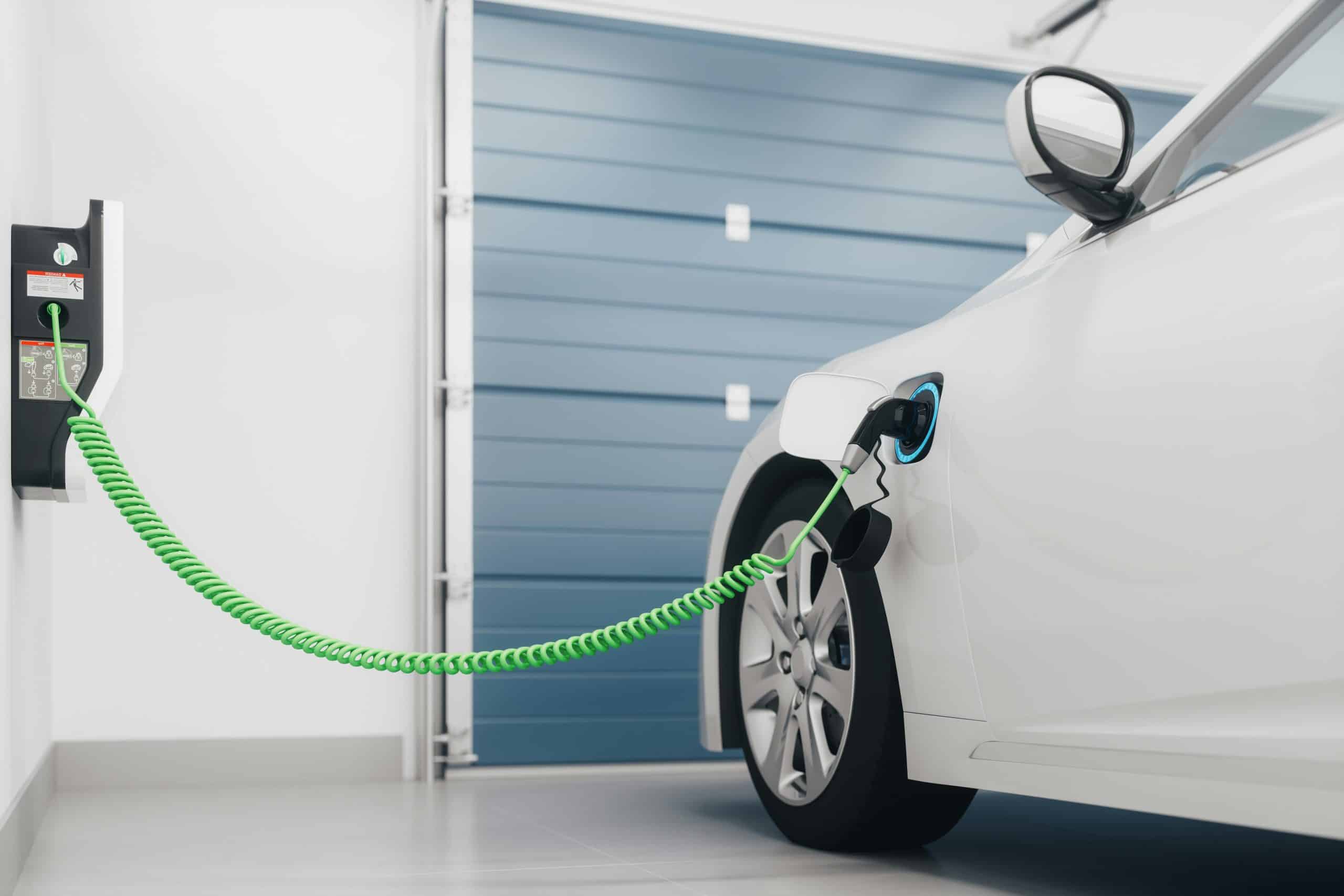

As electric vehicles continue to grow in popularity across the UK, more drivers are starting to focus on the real financial benefits of making the switch. While lower emissions are often the headline, the true long-term advantage for many households comes down to cost.
The biggest factor influencing those savings is not the vehicle itself, but how and where you charge it.
In 2026, the difference between charging at home and relying on public infrastructure is significant. For drivers looking to reduce their running costs, installing a home EV charger is quickly becoming one of the smartest financial decisions they can make.
The Cost Gap Between Home and Public Charging
Public charging networks have improved massively in recent years, but convenience often comes at a price.
Rapid chargers, particularly those located at motorway services or busy urban areas, are designed for speed rather than affordability. While they are essential for long journeys, they are not cost-effective for everyday use.
Charging at home, on the other hand, allows drivers to take advantage of standard electricity rates and cheaper off-peak tariffs. Overnight charging, in particular, offers some of the lowest energy costs available.
Over time, this difference creates a clear financial gap between the two options.
What That Means Over a Year
For the average driver, these savings quickly add up.
Charging exclusively at home can reduce your cost per mile dramatically compared to relying on public chargers. Over the course of a year, this can translate into hundreds of pounds in savings.
For higher-mileage drivers, or those previously spending heavily on fuel, the difference becomes even more noticeable. In many cases, the combined savings from switching to an EV and charging at home can be substantial enough to offset other ownership costs.
This is why more households are now viewing home charging as a core part of their EV setup rather than an optional extra.
The Upfront Investment
Installing a home EV charger does require an initial investment, typically ranging between £800 and £1,200 depending on the property and installation complexity.
At first glance, this can seem like a barrier. However, when viewed in the context of long-term savings, the cost becomes far easier to justify.
The key is to think of the charger as an investment rather than an expense. Once installed, it immediately begins reducing your cost per charge compared to public alternatives.
How Quickly Does It Pay for Itself?
For many UK homeowners, the payback period for a home EV charger is surprisingly short.
With consistent use and access to off-peak electricity tariffs, most drivers can recover the installation cost within one to two years. After that, the savings continue to build with every charge.
This is particularly true for drivers who use their vehicle daily, as the cost difference compounds over time.
Why Choosing the Right Charger Matters
While installing a home charger is a clear financial win, not all chargers deliver the same level of savings.
The features built into the unit can have a direct impact on how efficiently you charge your vehicle and how much you spend on electricity.
Smart chargers, for example, allow you to schedule charging during the cheapest hours automatically. This removes the need for manual input and ensures you are always benefiting from lower rates.
If you are comparing options, understanding the differences between models is essential. This guide to the best EV home chargers in the UK breaks down premium and budget options, helping homeowners choose a system that aligns with both their budget and long-term savings goals.
Features That Help Maximise Savings
When selecting a charger, certain features can make a noticeable difference to your running costs.
- Smart scheduling to take advantage of off-peak tariffs
- Solar integration to use excess energy from panels
- Load balancing to prevent costly electrical upgrades
- Energy monitoring to track usage and optimise charging habits
These features are not just technical extras. They directly influence how much you spend over time.
Premium vs Budget: What’s the Right Choice?
One of the most common questions homeowners face is whether to invest in a premium charger or opt for a more affordable option.
The gap between the two has narrowed significantly. Many budget chargers now offer solid performance and smart functionality, making them a viable option for most households.
However, premium models often provide better reliability, more advanced integrations, and longer warranties. For drivers planning to keep their EV long-term, this can provide additional peace of mind and consistent performance.
Ultimately, the right choice depends on your priorities. For some, keeping costs low is key. For others, investing in a higher-end system offers better long-term value.
Final Thoughts
As EV adoption continues to accelerate, the financial benefits of home charging are becoming impossible to ignore.
Relying on public charging alone can quickly erode the cost savings that make electric vehicles so appealing in the first place. By installing a home charger, drivers can take control of their energy usage and significantly reduce their ongoing costs.
In 2026, it is no longer just about owning an electric vehicle. It is about charging it in the smartest and most cost-effective way possible.

