
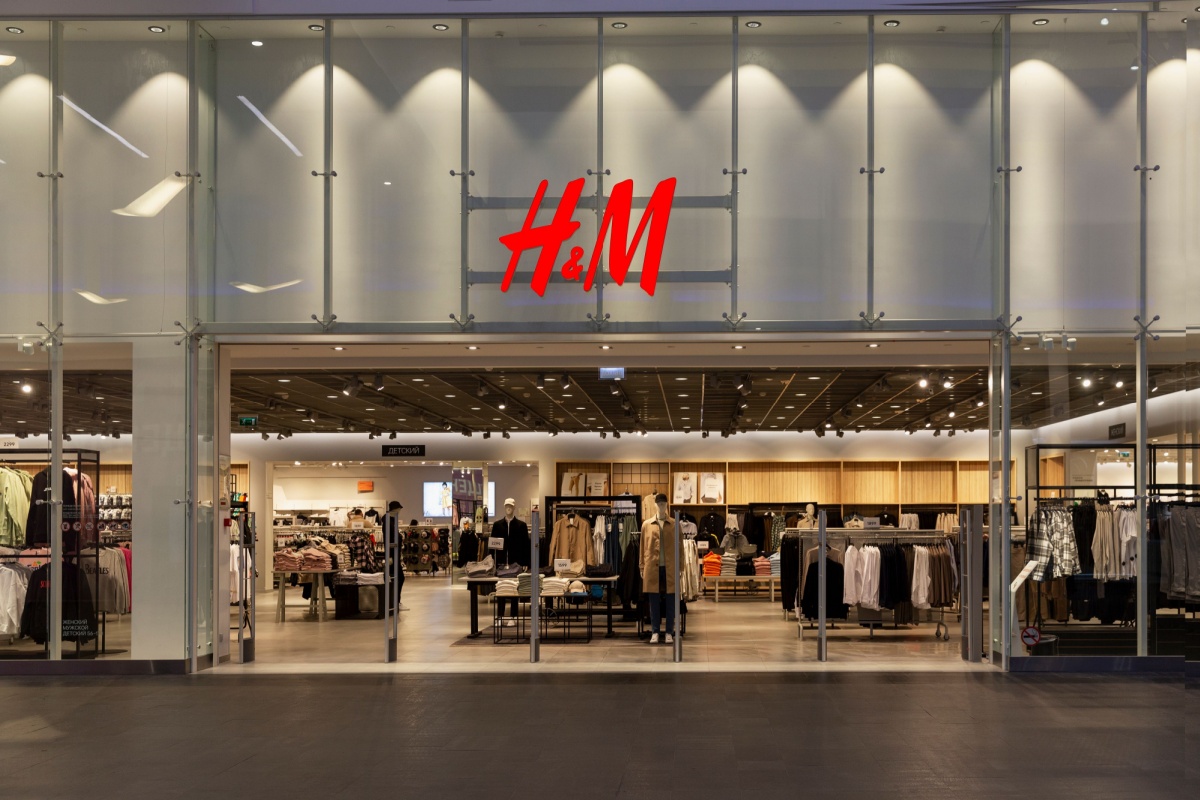

H&M Group, a global fashion leader, grapples with stagnant sales amidst a turbulent economic climate. Unfavourable weather conditions in June have notably impacted their financial performance.
Throughout the third quarter, the fashion giant’s revenue endured notable fluctuations, culminating in a strategic revision of profit forecasts due to external economic pressures.
Quarterly Sales Performance
H&M Group’s third-quarter sales showcased a mixed performance in the UK and other key European markets, predominantly due to adverse weather conditions. Colder than expected weather in June significantly affected consumer footfall and sales revenue. The overall global net sales fell by 3% to SEK 59 billion (£4.3 billion), down from SEK 60.9 billion (£4.5 billion) in the same period last year. Converting this data into local currencies, the sales figures remained relatively unchanged, indicating an underlying flat trend.
Financial Adjustments and Operating Margins
H&M’s gross profit for the quarter was recorded at SEK 30.1 billion (£2.2 billion), with a margin increase to 51.1% from the previous year’s figure of 50.9%. Despite this improvement in gross margin, the fashion giant revised its annual profit outlook. It anticipates the operating margin to fall short of the prior target of 10%, attributing this shift to unforeseen external pressures limiting profitability.
According to CEO Daniel Ervér, the initial months of the quarter were sluggish due to the weather, but sales trends began to improve by July and August. Notably, the company observed an encouraging sales upswing in September, which could mitigate earlier losses.
Sales Dynamics in Western Europe
Western Europe, which is pivotal to H&M’s market, experienced a 4% decline in net sales during the third quarter. This downturn contrasts with a stable performance over the entire nine-month period, where local currency sales showed no growth. The persistent flat sales trajectory underscores the challenges faced in these regions, amidst harsh economic climates.
Around 30% of H&M’s total sales for the year have been powered by its online platforms. This digital drive remains a critical component of their marketing and sales strategy, particularly as physical retail spaces grapple with fluctuating consumer behaviour.
Autumn Collection and Market Competition
Amidst operational challenges, H&M’s autumn collection has reportedly been well-received by customers. September forecasts suggest an 11% increase in local currency sales compared to last year, indicating a possible turnaround. This collection reflects H&M’s commitment to delivering quality fashion sustainably and at competitive prices.
The fashion retail space is fiercely competitive, with rivals like Inditex, which owns Zara, posting a 10% rise in half-year profits. This context highlights the pressures on H&M to navigate both seasonal and structural obstacles to regain market positioning.
Strategic Improvements and Brand Strengthening
2024 marks a pivotal year for H&M, as it lays down foundational strategies for future growth. CEO Daniel Ervér emphasises a shift towards prioritising aspects that fortify their brand image and enhance profitability. The emphasis is placed on refining product lines, enhancing customer experience, and amplifying marketing efforts.
Ervér states, “We continue to adapt to the high living costs and global turbulence impacting our sales and expenses more than anticipated.” Investments in brand strengthening initiatives are already yielding positive results in sales and profitability matrices.
External Influences and Profit Forecast
High consumer living costs, coupled with global economic uncertainties, have influenced H&M’s sales and procurement expenses. These external factors have resulted in a downward adjustment of the projected operating margin for the year. The decrease is a reflection of the economic pressures faced by consumers and businesses alike.
Despite these hurdles, H&M remains optimistic. It continues to channel resources into enhancing product quality and the shopping experience, which are anticipated to drive future growth.
H&M’s Evaluated Steps
To counteract challenging market conditions, H&M is taking evaluative steps to align its business focus towards more profitable segments. These steps include downsizing less beneficial operations while channelling efforts into strengthening core activities.
The company is investing in both its online and physical stores, striving to provide a seamless shopping experience. This dual approach aims to capture a wider audience and increase engagement through unique in-store events and collaborations.
As H&M navigates this challenging period, the blend of strategic adjustments and innovative collections may steer the company toward a stable recovery path.
Adapting to economic flux with a resilient outlook, H&M remains committed to delivering value-driven fashion to its global customer base.

