
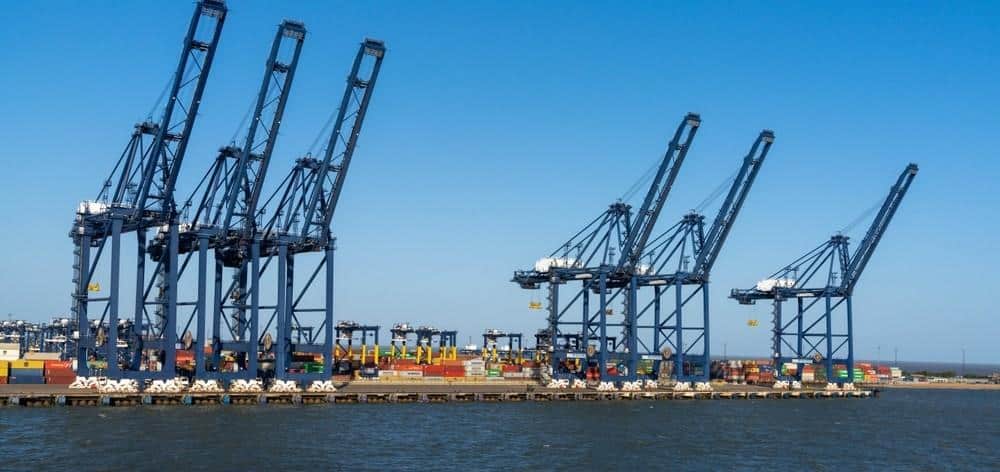

A recent incident at Harwich International Port has highlighted severe legal consequences for driving under the influence.
- Jacek Przybyl, an HGV driver, was stopped by Essex police after crashing his vehicle inside the port premises.
- Upon arrest, Przybyl was found to have an alcohol level four times the legal limit.
- The Chelmsford Magistrates’ Court sentenced him to 12 weeks in prison and a three-year driving disqualification.
- Essex Police emphasised the importance of adhering to road safety rules to prevent potentially hazardous situations.
On 11 August, an HGV driver disembarked from a ferry at Harwich International Port and crashed his vehicle, prompting a swift response from Essex police. Suspicions of drink driving led to Jacek Przybyl’s arrest after he failed a breathalyser test, registering an alcohol level four times above the legal limit. This incident underscores the severe legal repercussions associated with drink driving, particularly for vehicle operators responsible for transporting goods over long distances.
Przybyl was promptly charged and appeared at Chelmsford Magistrates’ Court the following day. During his court appearance, he pleaded guilty to charges of drink driving. The court subsequently sentenced him to 12 weeks in prison and imposed a driving ban for three years, underlining the judiciary’s strict stance on such offences. This case reflects the legal system’s rigorous approach towards ensuring public safety on the roads, especially considering the potential threat posed by impaired heavy goods vehicle operators.
Adam Pipe, head of roads policing at Essex Police, issued a statement highlighting the risks associated with drink driving. He noted that alcohol impairs judgement and reaction times, posing a significant danger to road users. Pipe also expressed gratitude towards colleagues at the port for their vigilance, which played a crucial role in preventing further danger by removing Przybyl from the roads. His comments serve as a stark warning to others who might consider drink or drug driving as viable options.
The consequences of Przybyl’s actions were immediate, reflecting the serious nature of his offence. The legal outcome serves not only as a punishment but also as a deterrent, reinforcing the message that the judicial system is committed to maintaining stringent road safety standards. This incident is a reminder of the critical responsibility that comes with operating heavy goods vehicles, which can become lethal when driven by someone under the influence.
By drawing attention to this case, Essex Police aim to influence behaviour positively, encouraging all drivers to think twice before deciding to operate a vehicle while impaired. The repercussions for Przybyl are both personal and professional, highlighting the far-reaching impact of drink driving convictions.
This case underscores the critical importance of road safety regulations and the severe consequences for non-compliance.

