
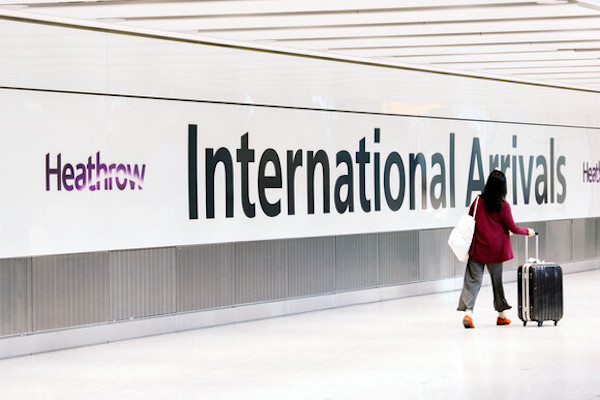

Heathrow airport is bracing for disruptions as more than 500 Border Force staff prepare for a three-day strike due to a dispute over new rosters. The planned strike by the Public and Commercial Services Union (PCS) aligns with the end of the half-term holidays, impacting passengers from May 31 to June 2.
The strike signifies escalating tensions between Border Force staff and the Home Office, centred around dissatisfaction with new working patterns. While the union firmly stands by its decision, both sides express a willingness to engage in discussions, although resolutions appear distant. This move has sparked significant discussions about employee treatment and operational efficiency within major UK ports.
Root Causes of the Dispute
The heart of the dispute lies in the contentious implementation of a new roster system, which the union claims has been poorly received by members. According to the Public and Commercial Services Union, the new system introduced by the Home Office fails to adequately consider the needs and concerns of Border Force staff. The union’s stance is clear: unless changes are proposed, staff will continue their industrial action.
Despite previous strikes in April, which saw substantial union support, the Home Office has yet to propose significant alterations to the roster system. Discussions between the union and the Home Office have so far been insufficient to resolve these issues, leaving many staff members discontent with their working conditions and the lack of progress in negotiations.
Impact on Heathrow Operations
This strike action is expected to cause notable disruptions at Heathrow, particularly in the processing of passport checks for incoming travellers. With over 500 staff involved, the capacity for regular operations will be severely challenged, potentially leading to delays and longer waiting times for passengers. Heathrow’s management is collaborating with the Home Office to mitigate these impacts as much as possible.
The timing of this industrial action coincides deliberately with the close of the half-term holidays, a peak travel period, thereby maximising its disruptive potential. Both the airport authorities and the PCS hope to find an interim solution to alleviate immediate passenger discomfort, though solutions remain elusive.
Union’s Stance and Justifications
The union maintains that the strike is a necessary measure to compel the Home Office to address the concerns of its members. As noted in their statements, the dissatisfaction with the new roster is widespread among staff, who reportedly face increased stress and uncertainty regarding their working schedules.
In defending their actions, the PCS Union underscores the lack of effective communication from the Home Office and the urgency for a more favourable resolution. The decision to extend strike action post the initial days in May illustrates the union’s commitment to its cause, despite the potential for causing public inconvenience.
In recent communications, the PCS expressed willingness to negotiate towards a resolution. However, they condemned the Home Office’s reluctant engagement as ineffective, citing that the only response to the threats of further strikes was an indication of willingness to meet without substantive proposals.
Home Office’s Response
The Home Office has publicly expressed disappointment over the union’s decision to strike but has reiterated their openness to discussions. According to official statements, the implemented changes aim to bring consistency to working arrangements across major UK ports, indicating a strategic move towards a unified operational standard.
While claiming to have robust measures in place to minimise disruption to passengers, the Home Office encourages travellers to stay informed through their respective travel operators. Their commitment to improving services remains unfaltered despite the ongoing disputes.
Heathrow’s Preparedness and Response
Heathrow Airport is actively engaged with the Home Office to develop strategies that will reduce the impact of the strike on travellers. Past experiences suggest that the impact might be minimal, as previous actions reportedly caused little passenger disruption.
The airport advises passengers to plan their travel accordingly, checking with airlines and staying updated on the latest developments. The collaboration between Heathrow and the Home Office is aimed at ensuring passengers can navigate the disruptions with as few inconveniences as possible.
Despite the potential for significant disruption, Heathrow remains committed to maintaining its operations and safeguarding the passenger experience, although contingency plans are yet to be disclosed in detail.
Previous Incidents and Resolutions
The current wave of strikes is not isolated but is instead part of a series of industrial actions that have occurred in recent months. Previous strikes in April received substantial backing from the union, highlighting deep-rooted dissatisfaction with current working conditions among staff.
While the Home Office has repeatedly indicated a willingness to negotiate, there has been little headway achieved thus far. The impasse appears principally due to a lack of agreed-upon solutions that adequately address the union’s primary concerns.
This ongoing battle underscores the broader challenges faced by public sector employees in negotiating favourable terms amidst organisational restructures, setting a precedent for future negotiations in similar sectors.
Future Outlook
With further industrial action threatened, the immediate future at Heathrow remains uncertain. The ongoing tension between the union and the Home Office signifies potential for prolonged disputes unless meaningful dialogue resumes.
Both parties have thus far voiced interest in reaching an agreeable resolution, yet the path to compromise remains unclear, underscoring the complex nature of employment relations within critical infrastructure.
Heathrow airport faces a challenging period as Border Force staff engage in further strike actions, demanding attention from the Home Office. As negotiations continue, the situation remains fluid, with potential for extended disruptions should an agreement not be reached. The emphasis on establishing stable working conditions for staff continues to be a central theme in this dispute.

