
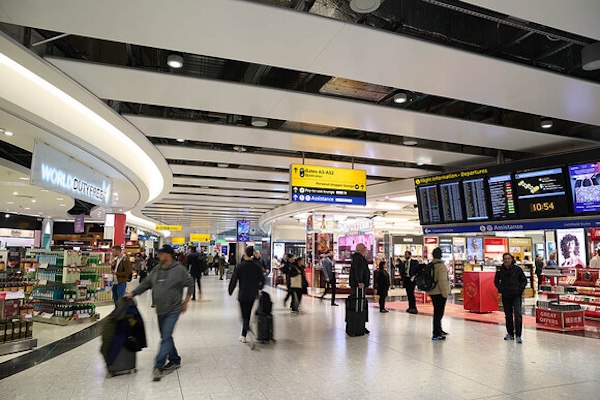

Heathrow Airport anticipates its busiest year despite challenges presented by governmental policies. Recent data highlights substantial passenger growth, yet official concerns about restrictive measures persist.
The management’s call for more supportive aviation policies underscores a critical need for collaboration between Heathrow and government entities to ensure the UK’s competitive edge in global travel.
Heathrow’s Record Projections Amid Constraints
In a time of substantial growth, Heathrow Airport is on track to witness a remarkable year, reflected by a 4.8% surge in passenger numbers for April, totalling 6.7 million. This growth trajectory is coupled with an accumulation of 25.2 million passengers in the year so far. However, the airport’s management has raised concerns, stating that prevailing government policies are impeding the UK’s global connectivity. Despite a positive outlook for expansion, restrictions threaten the potential for further growth.
Challenges Posed by Government Policies
Government decisions, including implementing unnecessary visas, eliminating tax-free shopping, and proposing business rate hikes, are under scrutiny for their impact on aviation competitiveness. Heathrow’s chief executive, Thomas Woldbye, emphasises that for the airport to fully contribute to the national economy, a supportive governmental policy framework is essential. Heathrow’s expansion is seen as crucial to enhancing the UK’s international standing. The policies, as they stand, are seen as regulatory burdens limiting the aviation sector’s potential.
Heathrow’s Strategic Growth Objectives
Heathrow continues its efforts to prepare for future challenges and opportunities, focusing on delivering reliable customer experiences. This involves not only maintaining current service levels but also innovating to meet tomorrow’s demands. In aiming to make Heathrow a globally competitive hub, management stresses the necessity for government intervention in aligning policies with the aviation sector’s growth aspirations. The alignment would unlock significant economic benefits and enhance competitiveness. Heathrow Terminal 2 marked a milestone with its millionth flight, showcasing operational capabilities.
Impacts on Global Connectivity
The repercussions of current policies extend beyond economics to impact UK’s connectivity with major international markets. Destinations such as Delhi and Mumbai have seen substantial passenger inflows, becoming significant nodes in Heathrow’s network. Despite high demands for travel to places like New York, Dubai, and Doha, the restrictive measures may hinder further expansion. The call is clear: policies must adapt to meet the dynamic needs of global air travel. Enhancing transport frameworks could solidify Heathrow’s status as a central aviation hub.
Statements from Key Figures
Heathrow’s management underscores that easing regulatory constraints is crucial for maintaining the airport’s growth. According to CEO Thomas Woldbye, supplementing current policies with more favourable ones could catalyse economic advancement. “As we continue to grow, our focus is on making Heathrow fit for the future,” he stated, highlighting the crucial link between policy support and aviation progress. A concerted effort could position the UK more competitively on the global stage.”
The Economic Rationale
A thriving Heathrow is not just an airport success story; it’s an economic asset for the nation. The airport’s developments are intertwined with broader economic prospects, where the aviation sector can significantly contribute to GDP growth. Simplifying visa processes, reinstating tax-free shopping, and revising business rates could enhance not only Heathrow’s but the nation’s economic vitality. Such measures are deemed necessary for sustaining a competitive edge in the global market. These changes could potentially catalyse significant economic benefits.
Future Outlook
Looking ahead, Heathrow’s potential for expansion remains promising. Nevertheless, its full realisation is contingent on governmental policy adjustments. The airport intends to persist in striving for operational excellence and strategic leadership in the aviation industry. Enhancements in infrastructure and service quality remain high on its agenda, aligning with its growth strategy. Adjustments in policy will be pivotal in determining whether Heathrow can sustain its positive momentum. Such efforts are imperative for maintaining Heathrow’s pivotal role in global connectivity.
Heathrow Airport’s projected record-breaking year is exemplary of growth potential hindered by governmental policies. Continued dialogue is essential to align aviation objectives with national economic interests.
Future policy adjustments could not only support airport growth but also enhance the UK’s standing in global aviation, presenting a win-win situation for all stakeholders involved.

