
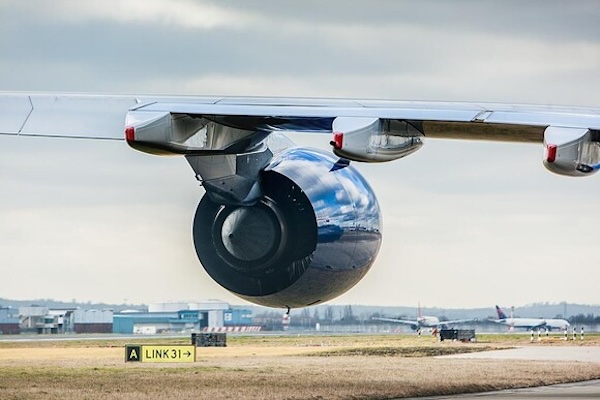

Heathrow Airport’s refuelling staff threaten a strike over the May bank holiday, aiming to address grievances with employer AFS. This action could disrupt a major travel period.
The Unite union, representing the staff, highlights unresolved disputes over employment condition changes as the driving factor. This development prompts travel advisories for affected airlines.
Potential Disruptions at Heathrow
Heathrow Airport faces potential disruptions during the May bank holiday weekend as refuelling staff threaten to strike for 72 hours. The strike, which involves 50 refuelling staff members, is in response to disputes over employment conditions. This move could lead to significant delays and cancellations for flights, affecting thousands of passengers.
The workers, represented by the Unite union, primarily service major airlines such as Air Canada, Air France, and Emirates. The union warns that this industrial action might bring unprecedented challenges to the airport’s operations. It highlights the workers’ resolve to fight against changes imposed on newly recruited staff, which they consider unfair.
Background of the Dispute
The refuelling staff strike threat stems from dissatisfaction with alterations to the terms and conditions for new employees hired since January. AFS, the employer, is facing criticism over this decision. The company’s changes affect the wages and benefits of new hires, which the union deems detrimental to workers’ standards of living.
Unite, representing the refuelling staff, argues that any erosion of employment conditions sets a dangerous precedent. They fear that if unaddressed, these changes may soon extend to the existing workforce. Transparency in negotiations and adherence to fair labour practices are being demanded by the union to resolve the conflict.
Impact on Airlines and Passengers
AFS refuels aircraft for 35 airlines at Heathrow, serving major international carriers. The potential strike raises concerns about logistical challenges and possible flight cancellations.
Passengers flying with airlines serviced by AFS, including American Airlines and Virgin Atlantic, are likely to experience disruptions. They are advised to monitor travel advisories and prepare for possible schedule changes.
The looming strikes put pressure on airlines to seek alternative arrangements to mitigate impacts. However, the complexity of refuelling logistics suggests such measures might be insufficient to prevent passenger inconvenience.
Union’s Stance and Demands
Unite’s position is clear: they are committed to defending the rights of their members. Kevin Hall, a regional officer, emphasizes the union’s unwillingness to compromise on employment conditions. He asserts that these adjustments are unjust and unwarranted.
The union is demanding a reversal of the changes imposed by AFS along with assurances that similar amendments will not affect future hiring. They are pushing for meaningful dialogue with AFS management to attain a sustainable resolution.
Strikes are seen as a last resort by the union, yet they highlight the seriousness of the situation and the urgency perceived by the workers.
Employer’s Response to Union Actions
AFS, jointly owned by several major oil companies, defends its position by citing market conditions and the need for operational efficiency. They argue that the changes reflect industry standards necessary for competitive sustainability.
The company expresses a willingness to engage in discussions with Unite to prevent disruptions, but stresses the importance of maintaining their proposed changes.
Regrettably, AFS’s responses have yet to satisfy union members, escalating tensions. The company remains under scrutiny, needing to balance fiscal strategies with employee welfare.
Preparing for Potential Strikes
Travellers planning to transit through Heathrow during this period should stay informed. Airlines are expected to issue updates and guidance to mitigate the impact on travel plans.
Proactive measures include checking flight status regularly. Passengers might also consider contingency arrangements, such as travel insurance adjustments to cover potential disruptions.
Looking Forward
The looming strike at Heathrow brings to the fore broader debates about labour rights and corporate responsibility. This scenario could set a precedent for future disputes in the aviation sector.
It remains uncertain if a resolution will be reached before the strike deadline. However, it is clear that both sides will need to compromise to avert a significant disruption at one of the world’s busiest airports.
The potential strike by Heathrow refuelling staff poses significant risks to airport operations and passenger plans. With both union and employer entrenching their positions, swift resolution seems challenging but necessary. The aviation industry will keenly watch this development, as its outcome could influence future labour relations.

