
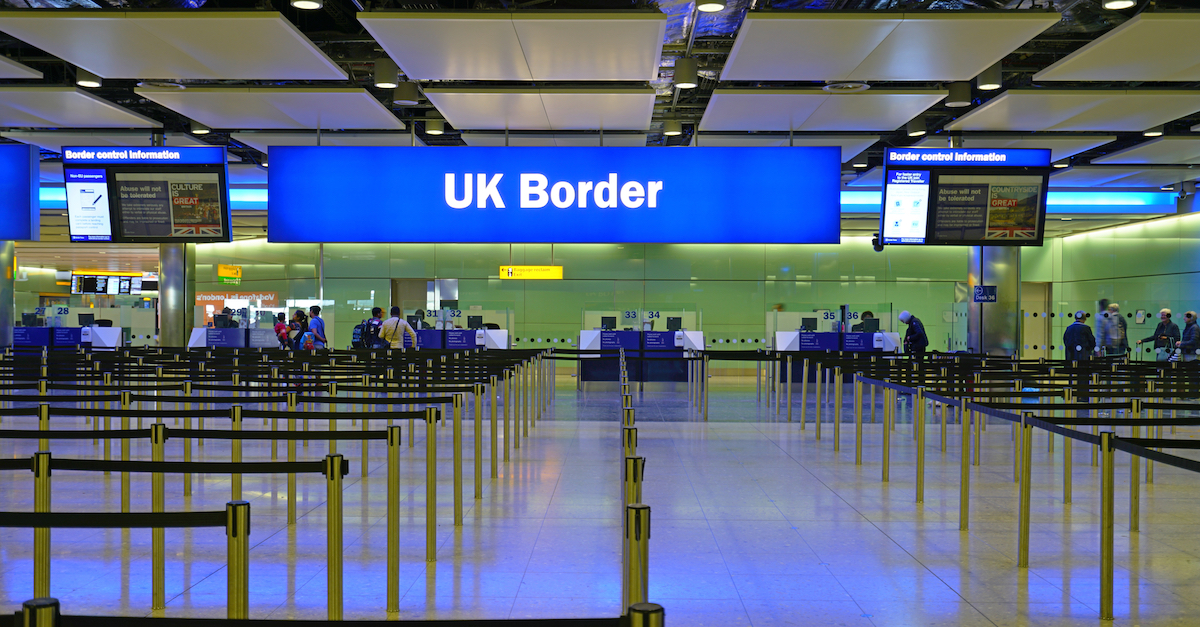

Heathrow Airport is on high alert as Border Force employees prepare for a four-day strike starting at the end of August. The anticipated industrial action is expected to significantly disrupt operations.
The Public and Commercial Services Union (PCS) has confirmed the strike dates from August 31 to September 3, continuing with strict work-to-rule policies and an overtime ban until September 22. This action marks the continuation of an ongoing dispute with the Home Office over new rotas imposed earlier this year.
Union’s Standpoint and Demands
The PCS, representing 650 members at Heathrow’s passport control, highlights how shifts in work patterns have compounded challenges for Border Force staff. The union has voiced strong concerns over the lack of flexibility in the newly imposed rotas. Many employees have left their roles due to these changes, exacerbating staffing issues at the airport.
Fran Heathcote, PCS General Secretary, stated the strike is a reaction to the Home Office’s refusal to address their grievances. She explained, “Our hard-working members deserve better. Many are being forced out of jobs they love due to unreasonable demands.”
Impact on Travellers
Travellers through Heathrow should brace for potential disruptions. The upcoming strike action is likely to affect passenger flow, potentially causing delays and extended waiting times. With terminals 2, 3, 4, and 5 impacted, contingency measures are being developed.
The Home Office insists that it remains committed to minimizing disruption. Passengers are advised to stay updated with airlines and airport announcements to better navigate the industrial action period.
Home Office Response and Contingency Plans
A Home Office spokesperson acknowledged the critical role of the Border Force in maintaining security and stated that robust plans are in place to counteract the strike’s effects.
Despite assurances, the ongoing conflict has placed the spotlight on government operations at major travel hubs. Ensuring safety while maintaining airport efficiency presents an ongoing challenge.
Heathrow officials have expressed support for any plans put forth by the government. Past experiences suggest that well-coordinated contingency efforts can help alleviate travel disruptions. However, the scale of this strike presents unprecedented challenges.
Staff Turnover and Working Conditions
According to the PCS, work condition changes have led to significant staff turnover. The lack of shift flexibility has been particularly burdensome for employees with family responsibilities.
The union reports that over 160 employees have resigned since the rota changes. Many new staff members have faced denials in their applications for contract flexibility, despite legal opportunities for such requests being available from day one.
These conditions underline the need for dialogue between the union and Home Office to find mutually acceptable solutions. Without such negotiations, the welfare of employees and the efficiency of operations remain at stake.
Past Industrial Actions
Previous industrial actions by Border Force staff, including strikes in April, May, and June, have highlighted ongoing tensions. These earlier events saw short-term disruptions with long-term uncertainties lingering.
The build-up to this latest strike displays a continuing rift between staff and management, with few signs of a resolution without significant changes or negotiations.
Implications for Airport Operations
Operational efficiency at Heathrow is under scrutiny as preparations for strike days intensify. The ability to adapt quickly to workforce shortages will be critical over the coming weeks.
Adapting to the needs of both staff and passengers is essential, yet finding a balance remains elusive amidst demanding operational contexts.
Preparing for the Strike
As the strike looms, stakeholders are focused on planning and communication. Effective dissemination of information to passengers will be vital to manage expectations and reduce potential confusion.
This situation emphasises the importance of robust, responsive strategies that accommodate both workforce requirements and passenger expectations.
The impending strike at Heathrow is set to test the resilience of airport operations and highlight the critical need for collaborative solutions. Clear communication and contingency measures are key to navigating these challenges effectively.

