
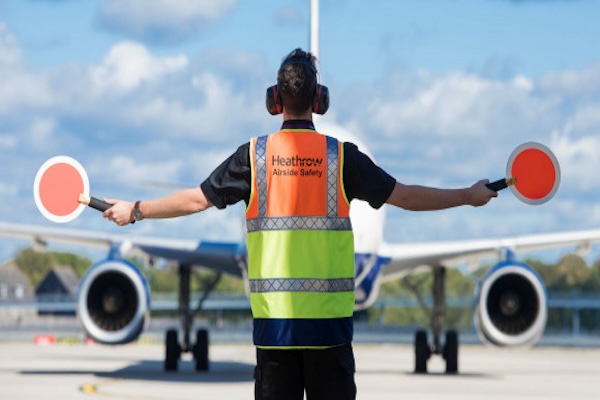

Heathrow has announced its support for reinstating tax-free shopping, joining forces with key business groups. This move aims to enhance the UK’s attractiveness to international tourists and stimulate economic growth.
The initiative emerges as part of a broader campaign ahead of the upcoming spring Budget, underscoring the strategic importance of competitive shopping options in global tourism.
Heathrow’s Strategic Move
In the face of increasing global competition, Heathrow has taken a significant step by joining forces with the British Chambers of Commerce and the Federation of Small Businesses. Their collaboration aims to reinstate the tax-free shopping scheme for international tourists. The scheme was abolished in 2020 by the then Chancellor, Rishi Sunak, eliminating VAT refunds that made UK products 20% cheaper for tourists. This initiative is seen as crucial to reviving the appeal of the UK as a shopping destination, potentially boosting economic growth.
Economic Impact
The removal of tax-free shopping has arguably harmed the UK’s economic standing. Critics argue that it has dampened tourist spending, leading to a ripple effect on businesses reliant on international visitors. Heathrow, being a major gateway, feels the direct impact when global visitors reduce their spending. Reinstating tax refunds could enhance the UK’s competitive edge in attracting tourist expenditure, which is essential for revitalising sectors such as retail and hospitality.
Passenger Traffic Insights
Heathrow reported a robust increase in passenger numbers, with a 9% rise in January year-on-year, totalling six million travellers. This rise is largely attributed to a resurgence in travel to regions like Asia Pacific and the Middle East, which balanced out declines in African travel. The annual figures also show a significant 23.5% increase, highlighting Heathrow’s capacity recovery post-pandemic. This growth underscores the importance of keeping the UK attractive for international tourists.
On Blue Monday, January 15, Heathrow managed an impressive 196,661 passengers, demonstrating its operational efficiency and popularity. The airport’s chief executive, Thomas Woldbye, proudly announced that Heathrow retained the title of the best UK airport for the third consecutive year at the prestigious Globe Travel Awards. The airport is gearing up for the upcoming passenger peak in February, with the half-term holiday season approaching swiftly.
Stansted, another key player, also noted a 6.9% increase in January passengers compared to last year, outperforming its pre-pandemic levels. The airport has maintained a seamless passenger flow, with 99% of travellers clearing security in under 15 minutes, an impressive feat which highlights their commitment to efficiency.
Appeal for Policy Change
Heathrow’s advocacy for policy reversal on the tourism tax is part of a broader campaign to rejuvenate the UK’s international visitor numbers. There’s a growing consensus among businesses that the absence of a tax-free shopping option positions the UK unfavourably compared to other countries that offer similar incentives. Such policies could drive tourists to alternative destinations where their purchasing power is stronger.
Collaborations and Strengthened Arguments
The partnership between Heathrow and major business bodies forms a formidable front in lobbying for change. By aligning with the British Chambers of Commerce and the Federation of Small Businesses, Heathrow is leveraging wide-reaching influence to advocate for economic policies that favour international tourism. Their arguments present a data-driven case, aimed at convincing the government of the lost revenue potential and economic benefits of revisiting the scheme.
As the spring Budget approaches, this lobby seeks to present compelling evidence to policymakers. Their goal is clear: to highlight the advantages of a tax-free shopping scheme reinstatement, by drawing from successful international models where tax incentives have spurred economic growth.
Looking Ahead
With the spring Budget set for March, all eyes are on policymakers to see how they will respond to this mounting pressure. The outcome could significantly influence the landscape of UK tourism and retail sectors. Many stakeholders are hopeful that a favourable decision will pave the way for renewed growth and a strengthened economic position globally.
The advocacy for reinstating tax-free shopping is positioned as a pivotal decision for the UK. Should the government respond favourably, it could revitalise the UK’s standing as a premier shopping destination for international visitors.
With significant potential for economic uplift, stakeholders remain optimistic that these efforts will yield positive outcomes in the near future.

