
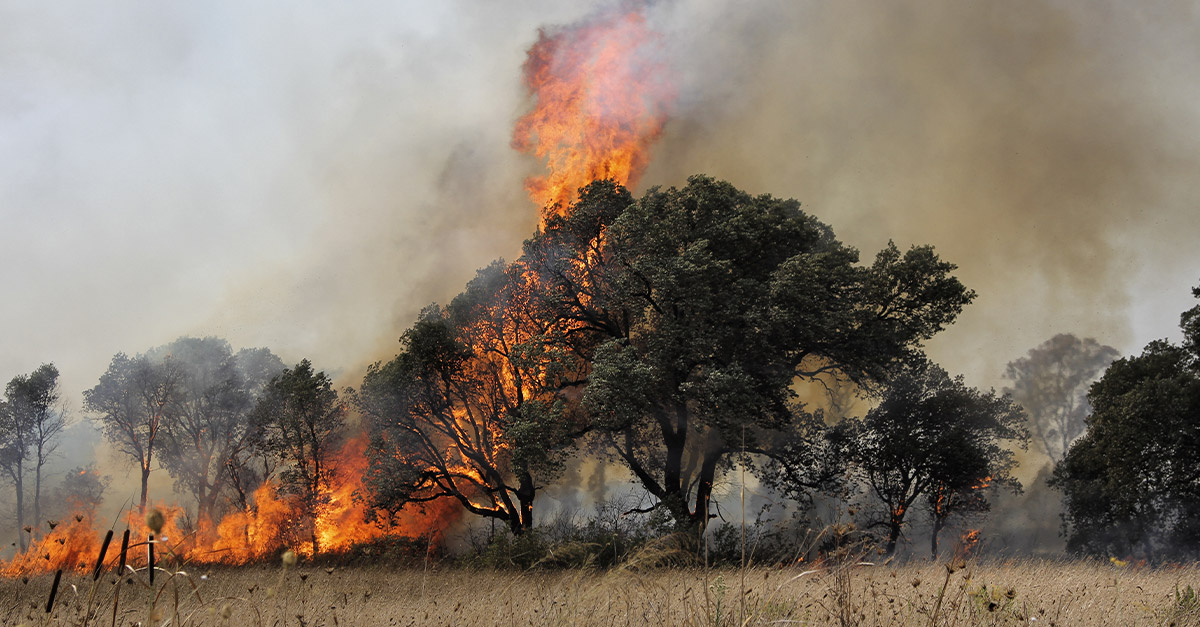

Extreme temperatures and wildfires are causing evacuations in Cyprus and Greece, signalling severe climate conditions.
- Paphos in Cyprus faces significant danger as homes are evacuated amid soaring temperatures reaching 45C.
- Greece extends support to Cyprus by deploying firefighting aircraft through the EU’s civil protection mechanism.
- A 4.9 magnitude earthquake in Rhodes accompanies Greece’s first heat warning of the season, highlighting natural threats.
- Greek authorities shut tourist sites and distribute water as temperatures in Athens and Crete spike.
As Cyprus and Greece grapple with extreme weather conditions, people in Paphos, Cyprus, have been forced to evacuate their homes under an extreme heat warning of 45C. Such severe temperatures exacerbate the risk of wildfires, leading to immediate measures to ensure public safety. The situation in Cyprus is closely monitored, with firefighting assistance arriving from Greece in response to an EU civil protection mechanism appeal.
Coinciding with these events, Greece issued its first heat warning of the summer as a 4.9 magnitude earthquake was recorded in Rhodes. The earthquake, confirmed by both the University of Athens and the US Geological Survey, struck around 8.20pm on Wednesday. Although the seismic activity was reportedly felt as a light tremor in the epicentral area, it did not cause significant damage, according to the European-Mediterranean Seismological Centre.
The Greek weather service extended a heat warning across central and southern regions, including Athens and the Cyclades islands, where temperatures are projected to soar up to 43C. In reaction to these extreme temperatures, several tourist sites, such as the Acropolis, have been temporarily closed for public safety, with support from the Red Cross distributing water to mitigate the impact on tourists.
Vassilis Kikilias, Greece’s minister responsible for civil protection, has underscored the high risk of wildfires due to a combination of high temperatures and prevailing winds. The need for such caution is further validated by the Foreign Office, which maintains its travel advice for Greece, acknowledging the unpredictability and danger of active wildfires.
The European Union’s preparedness measures for the wildfire season include a fleet of aerial firefighting units and personnel stationed across Europe. Commissioner Janez Lenarcic expressed gratitude towards Greece for its swift support to Cyprus, marking an instance of EU solidarity in action as the emergency response centre remains vigilant and ready to extend additional help if required.
With a combination of high temperatures, wildfires, and seismic activity, Cyprus and Greece demonstrate the multifaceted challenges posed by extreme weather events.

