
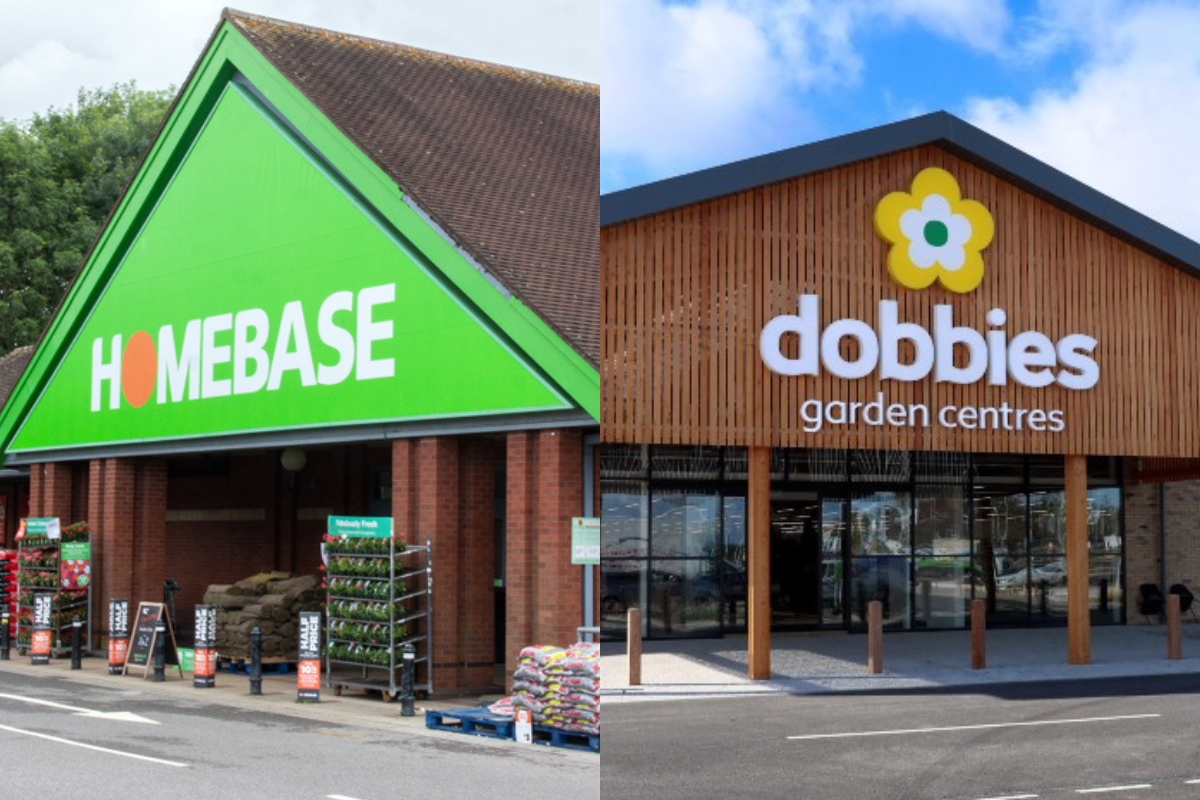

The recent store closures by garden centre giants Dobbies and Homebase have sparked speculation about Britain’s enduring love for garden centres. As economic challenges mount, these closures seem indicative of broader shifts within the industry. The pressing question remains: are these moves reflective of changing consumer preferences or strategic realignments?
Economic Pressures Force Strategic Overhauls
Both Dobbies and Homebase have embarked on strategies to curtail losses and re-invent themselves amid rising economic pressures. Dobbies revealed plans to shutter 17 stores, including its urban Little Dobbies outlets, hoping to optimise operations and return to ‘sustainable profitability’. The brand cites uneconomical rents and adverse trading conditions as core issues.
The Unforeseen Impact of Weather and Market Trends
Dobbies’ struggles have been exacerbated by unseasonable weather, which impacted sales significantly. This, coupled with the delay in refinancing debts, left the company in a challenging financial landscape. The downturn was not entirely unpredictable, given the economic climate.
Market analysts, such as JDM chief executive Jonathan De Mello, suggest that some of Dobbies’ issues are self-imposed. He points to the costly acquisition of Wyevale garden centres and the previous pivot towards new store formats as factors straining resources.
Jonathan De Mello further argues that Dobbies’ strategy, including its investment into new store formats and acquisitions, has not delivered the anticipated returns. The company’s attempts to reposition towards a more affluent customer base included partnerships with Sainsbury’s and later, Waitrose.
Homebase Seeks New Investment Amid Downsizing
Homebase is actively seeking fresh investment as it trims its expansive store portfolio. CEO Damian McGloughlin has informed employees about pursuing new ownership, aiming to fuel a new chapter of growth. The sale of some sites to former owner Sainsbury’s helped inject necessary capital into the business.
The retailer has been downsizing as part of a broader restructuring, which included offloading surplus space to other chains. Recent performance declines were partly due to a decrease in consumer spending, driven by economic uncertainties.
The store closures reflect broader trends in the sector, where cost-of-living pressures and changing consumer behaviour are significant factors. This shift is particularly felt in DIY and big-ticket item sales, further complicated by a past laden with financial challenges.
Weathering the Broader Market Storm
The woes of Dobbies and Homebase are mirrored across the gardening sector at large. The unpredictable weather patterns have disrupted usual trading cycles, according to British Garden Centres’ Amy Stubbs. She highlights how sporadic seasonal starts have been disappointing for the industry.
DIY and gardening markets have seen fluctuating demand. This is primarily due to external economic factors and shifting customer priorities, with more cautious spending habits observed in recent times.
Analysts at GlobalData note that DIY market challenges reflect broader economic conditions. Consumer spending remains tentative, with major purchases being postponed, impacting sales of both gardening and DIY products.
Signs of Possible Recovery
Amidst the challenges, there are glimmers of hope for recovery. The Nationwide Building Society indicated a potential revival in the housing market, which could positively impact the gardening sector. A rise in housing transactions might stimulate demand for garden-related products.
Both Dobbies and Homebase are cautiously optimistic. Increases in market share across various segments and reductions in losses hint at a somewhat stabilising trend.
Yet, the path to recovery is fraught with uncertainties. Economic conditions remain volatile, and market players must adapt swiftly to changing circumstances to ensure long-term viability.
Sector Resilience and Future Prospects
While current difficulties paint a grim picture, the gardening centre industry possesses underlying resilience. Strategic shifts towards more sustainable practices and market adaptations will be crucial in shaping the future landscape.
This adaptability will determine the ability of businesses to withstand economic pressures and consumer paradigm shifts. The ultimate trajectory of the sector remains closely tied to broader economic trends and consumer confidence.
Businesses remaining agile and responsive to market signals will likely fare better. The capacity for innovation and customer-centric approaches will be pivotal in navigating ongoing challenges.
Despite current challenges, garden centres like Dobbies and Homebase are not entirely out of favour. These closures reflect strategic attempts to weather economic storms, rather than a lost love for gardening. The industry’s future depends on its capacity for adaptation and resilience amidst changing consumer behaviours.

