
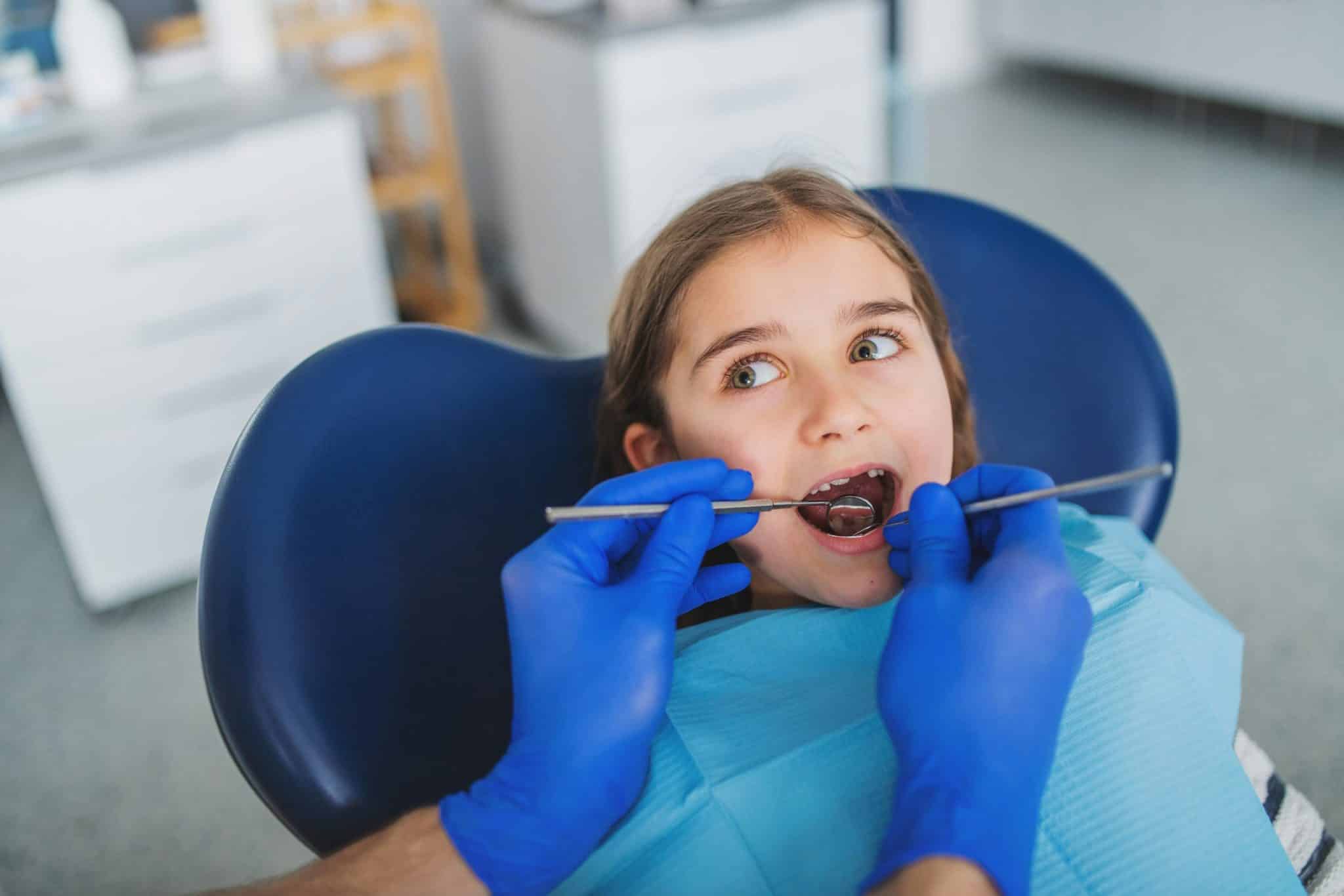

A chipped or broken tooth can happen to anyone, often at the most unexpected moment. Whether it’s the result of a fall, a sports injury, or even biting down on something too hard, a damaged tooth can cause discomfort and concern. Understanding how to handle the situation and knowing when to seek emergency dental care is essential for protecting your oral health.
Purley Dental Care, a local dentist advises what to do when you experience a chipped or broken tooth. In this blog, we’ll explore immediate steps you can take, the treatment options available, and when to contact an emergency dentist.
Common Causes of a Chipped or Broken Tooth
Teeth are incredibly strong, but they’re not indestructible. A variety of situations can lead to a chipped or broken tooth:
- Accidents or Injuries: Falls, car accidents, or sports injuries can result in a sudden impact to the mouth, causing teeth to chip or break.
- Biting Hard Foods: Crunching down on ice, hard sweets, or even unexpected objects in food can crack a tooth.
- Weakened Teeth: Teeth weakened by decay or previous dental work, such as fillings, are more prone to damage.
- Grinding Teeth: Bruxism, or teeth grinding, can wear down enamel over time, making teeth more susceptible to chipping or cracking.
Immediate Steps to Take When a Tooth Chips or Breaks
If you’ve chipped or broken a tooth, acting quickly can make all the difference in preserving your oral health. Here’s what to do:
1. Assess the Damage
First, check the extent of the damage. Is it a small chip, or is the tooth fractured? Does it feel sharp to the tongue? If the tooth has broken in a way that exposes the inner layers, you may notice sensitivity or pain, which indicates that the nerve could be affected.
2. Save Any Broken Pieces
If possible, locate any fragments of the tooth and store them safely. Place them in a container of milk or saliva to keep them hydrated. Your dentist may be able to reattach the piece or use it as part of the restoration.
3. Rinse Your Mouth
Use warm water to rinse your mouth gently. This will help remove any debris and reduce the risk of infection.
4. Stop Any Bleeding
If the break has caused bleeding, apply gentle pressure to the area with a clean gauze or cloth. Hold it in place for a few minutes until the bleeding stops.
5. Relieve Pain and Swelling
If you’re experiencing discomfort, take over-the-counter pain relief like paracetamol or ibuprofen. Applying a cold compress to the outside of your cheek can also help reduce swelling.
6. Avoid Using the Tooth
To prevent further damage, avoid biting or chewing with the affected tooth until you’ve seen a dentist.
When to Seek Emergency Dental Care
Not every chipped or broken tooth requires immediate dental attention, but some situations warrant a visit to an emergency dentist. Here’s how to determine the urgency:
1. Severe Pain
If the break causes intense or persistent pain, it could indicate damage to the tooth’s nerve or pulp. This requires urgent treatment to prevent infection or further complications.
2. Sharp Edges
A sharp or jagged edge on the broken tooth can cut your tongue, cheek, or lips. While this may not be a dental emergency, it’s still important to address it promptly.
3. Exposed Nerve
When a tooth breaks and exposes the inner layers, including the nerve, you may experience heightened sensitivity to hot, cold, or sweet foods. This is a sign that the tooth needs immediate attention.
4. Significant Fracture
If a large portion of the tooth is missing or the tooth has split, it’s essential to seek dental care as soon as possible. Such fractures can compromise the tooth’s structural integrity and lead to further damage.
5. Bleeding That Won’t Stop
If the area around the broken tooth continues to bleed heavily despite applying pressure, visit an emergency dentist immediately.
Emergency dental services address urgent issues like chipped or broken teeth. Don’t hesitate to contact a dentist in Purley if you’re in pain or unsure about the severity of your situation.
Treatment Options for a Chipped or Broken Tooth
The treatment for a chipped or broken tooth depends on the extent of the damage. Here are some common solutions:
1. Dental Bonding
For minor chips, dental bonding is often the quickest and most cost-effective option. A tooth-coloured resin is applied to the damaged area and shaped to match the natural contour of the tooth. Once hardened with a special light, the repair is virtually invisible.
2. Veneers
For larger chips that affect the appearance of front teeth, veneers are an excellent cosmetic solution. A thin layer of porcelain or composite material is custom-made to cover the front surface of the tooth, restoring its appearance and function.
3. Dental Crowns
When a tooth is significantly damaged but the root remains intact, a crown may be necessary. Crowns are custom-made caps that fit over the entire tooth, providing strength and protection while restoring its shape.
4. Root Canal Treatment
If the break exposes the tooth’s pulp and nerve, a root canal may be required. This involves removing the damaged pulp, cleaning the inside of the tooth, and sealing it. The tooth is then restored with a crown for long-term protection.
5. Tooth Extraction
In rare cases, if the damage is too severe to repair, the tooth may need to be extracted. This is usually a last resort, and your dentist will discuss replacement options such as implants or bridges.
Preventing Chipped and Broken Teeth
While accidents can’t always be avoided, there are steps you can take to reduce the risk of damaging your teeth:
- Wear a Mouthguard: If you play contact sports or grind your teeth at night, a custom-fitted mouthguard can protect your teeth from injury.
- Avoid Hard Foods: Be cautious when eating hard foods like nuts, ice, or boiled sweets, which can crack teeth.
- Maintain Oral Health: Regular brushing, flossing, and dental check-ups keep your teeth strong and resistant to damage.
- Don’t Use Teeth as Tools: Avoid using your teeth to open bottles, tear packaging, or perform any non-food-related tasks.
When in Doubt
Dealing with a chipped or broken tooth can be stressful, but knowing what to do and when to seek help can make all the difference. Prompt, professional care to restore your smile and relieve discomfort. Whether it’s a minor chip or a more serious fracture, tailored treatment options will suit your needs best.
If you’ve damaged a tooth or have concerns about your oral health, don’t hesitate to call for emergency dental care.
A chipped or broken tooth can feel like a significant setback, but with the right approach, it doesn’t have to be. By acting quickly, seeking professional care when necessary, and following preventative measures, you can protect your teeth and maintain a healthy, confident smile.
For expert care and advice, trust professional Dental Care to handle all your dental needs.

