
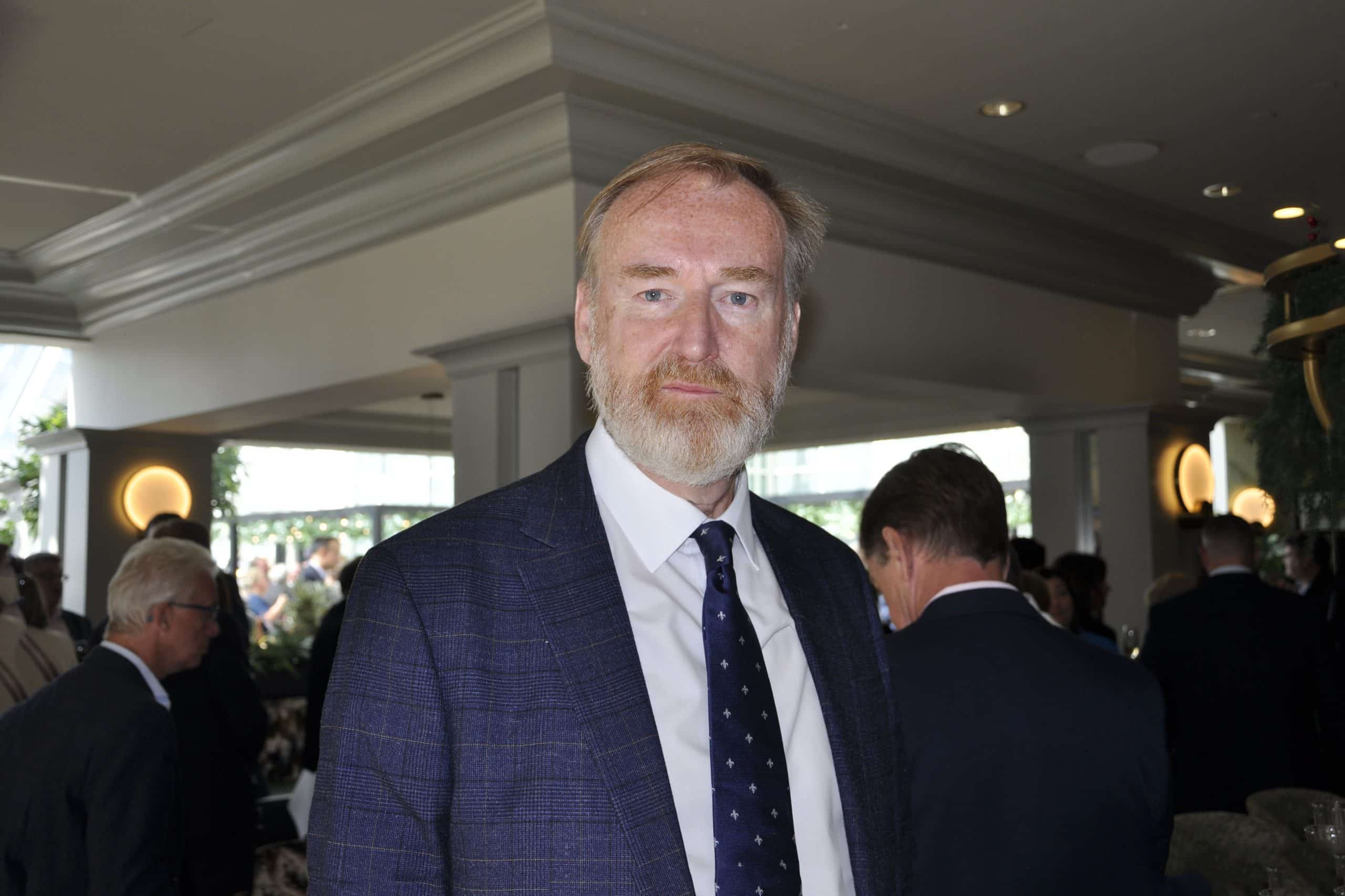

Hampshire Chamber of Commerce is calling on the government to set a clear agenda that supports business growth through focused investment, skill-building, and cutting-edge innovation in this week´s budget.
Hampshire Chamber Chief Executive, Ross McNally, is urging the Chancellor to leverage this year’s relative economic stability—marked by lower inflation and interest rates—to revitalise the business landscape and remove barriers to investment.
McNally voiced concern over the significant tax burden currently stifling businesses, stating, “Despite a more stable economic environment, firms are facing one of the heaviest tax loads in history, which limits planning and investment opportunities.”
He urged Rachel Reeves, the Chancellor, to tackle prohibitive upfront costs, arguing that any additional financial pressure on companies would counteract efforts to build a thriving economy. As part of its Budget wishlist, the Chamber is calling for an overhaul of the business rates system, advocating for an extension of relief for retail and hospitality businesses beyond the April 2025 deadline.
The Chamber is also seeking assurances that full-expensing capital allowances for investments in machinery, IT, and other business assets will remain in place. This policy, McNally noted, is critical for Hampshire’s burgeoning sectors—such as manufacturing, life sciences, and clean tech—that rely on these allowances to manage cash flow effectively while expanding operations.
While welcoming the government’s pledge to cap Corporation Tax at 25% for the rest of the parliamentary term, Hampshire Chamber has raised concerns about prospective tax increases, particularly regarding Capital Gains Tax (CGT). McNally cautioned that abrupt changes to CGT could dampen investor confidence, with business owners already scrambling to complete transactions in anticipation of possible rate hikes or exemptions being withdrawn.
Environmental commitments are also high on the Chamber’s agenda. With the upcoming “Unlocking Hampshire’s Green Potential” conference on 7 November, McNally called for greater incentives and tax reliefs for companies working in green technology, carbon reduction, and renewable energy sectors. “We must keep sustainability at the forefront, and that requires government backing through grants, tax breaks, and targeted funding,” he said.
The Chamber is further advocating for a long-term skills strategy that would see government, businesses, and educational institutions collaborate on workforce development initiatives, particularly through Local Skills Improvement Plans (LSIPs) like those already in place in the Solent and Enterprise M3 areas. These efforts, McNally argues, are critical for recruitment and retention across Hampshire’s industries and beyond, setting a foundation for sustainable economic growth.
As Hampshire Chamber continues to work closely with the government to support businesses, McNally emphasised that a competitive tax environment, robust investment in skills, and sustained backing for innovation are essential to fostering productivity and growth, not only within Hampshire but throughout the UK.

