
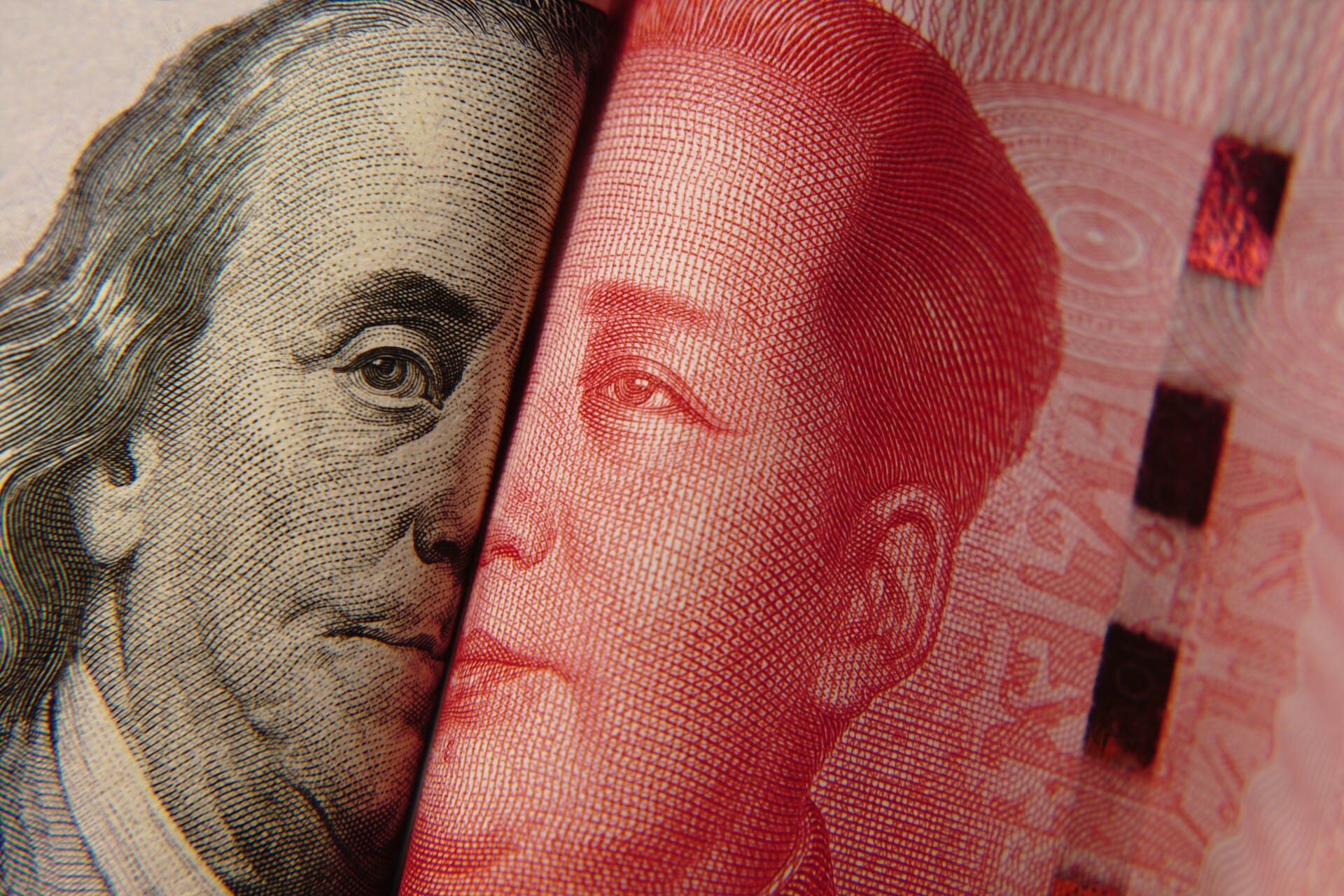

The global financial landscape is witnessing a shift. Confidence in the Chinese yuan is on the rise, while trust in the US dollar is waning.
Across Asia and beyond, countries are increasingly opting for the yuan in international trade, signalling a significant change in currency preference.
In recent years, developing nations have increasingly embraced the Chinese yuan for cross-border transactions. Notably, countries such as the United Arab Emirates, India, and Pakistan have initiated trade settlements in yuan, favouring its stability and potential for growth over the US dollar.
Even Saudi Arabia, a traditionally dollar-centric economy, has begun accepting yuan for oil transactions, underlining a broader regional shift. This growing acceptance suggests a reconfiguration of traditional economic alliances and trade practices.
Swift data indicates a surge in the yuan’s usage, surpassing the Euro to become the second-most used currency after the US dollar. As of April 2024, almost 6% of global transactions were conducted in yuan, reflecting its expanding role.
Eastern European countries, including Belarus, are now accepting yuan for trade, further diversifying their economic engagements. Countries in Africa and South America are also open to accepting yuan, highlighting its growing appeal.
The US has employed sanctions that deter countries from relying heavily on the dollar.
US sanctions, including those on Russia, have driven nations towards the yuan. This move is seen as a hedge against potential economic disruptions.
Economists suggest that continued sanctions might accelerate de-dollarization, diminishing the US dollar’s status and boosting the yuan.
The shift towards the yuan has significant economic implications, altering trade dynamics and geopolitical influences. As the yuan gains ground, countries previously dominated by dollar transactions may experience more balanced economic power.
Political motives play a crucial role as countries aim to reduce their dependency on the US, leveraging the yuan’s rise. The redirection of trade practices could reshape international financial relations.
China is actively promoting the yuan as a viable alternative to the dollar. This strategy is evident in its trade policies with emerging economies.
By facilitating yuan-denominated trade, China strengthens its economic ties globally, thereby fostering greater adoption of its currency. This approach not only benefits trade but aligns with China’s long-term geopolitical objectives.
The ongoing shift towards the yuan marks a pivotal moment for the global financial system. Countries are recalibrating their economic strategies in response to currency dynamics.
This trend suggests a future where the yuan could potentially rival, if not surpass, the dollar as the dominant global currency.
The recent developments underscore a transformative period in international finance. As confidence in the yuan grows, the traditional dominance of the US dollar faces unprecedented challenges.
The evolving currency landscape suggests a future where economic power may become more distributed. The progression of the yuan may lead to a recalibration of global economic policies.
In essence, this marks a potential turning point, with countries navigating new monetary dynamics on the world stage.

