

Construction has commenced on the ambitious £4.3bn Eastern Green Link 2 (EGL2) offshore interconnector, marking a significant step in the UK’s energy infrastructure.
- EGL2 is set to become the UK’s longest-serving 525kV, 2GW high voltage direct current (HVDC) subsea transmission cable.
- The project represents a collaborative effort between National Grid Electricity Transmission and SSEN Transmission, bolstered by £3.4bn public funding approved by Ofgem.
- Initial construction activities, including a symbolic groundbreaking ceremony, have taken place, signalling the project’s forward thrust.
- EGL2 is part of a broader initiative to consolidate the UK’s renewable energy capabilities and contribute to a net-zero future.
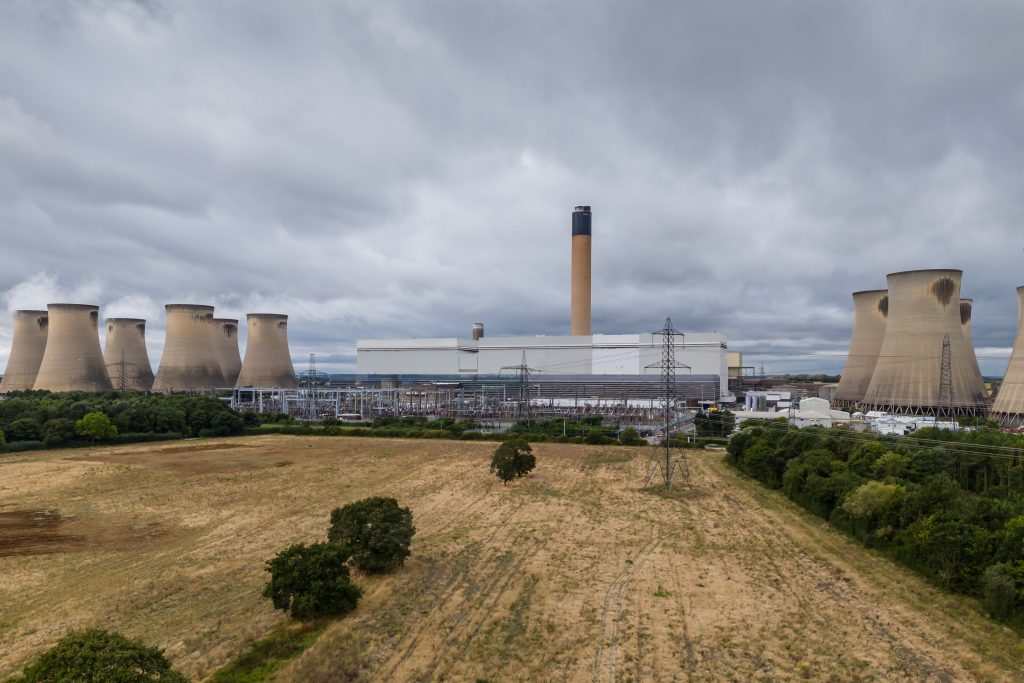
The construction of the £4.3bn Eastern Green Link 2 (EGL2), a substantial offshore interconnector project between England and Scotland, has officially begun. Celebrating this pivotal move, a groundbreaking ceremony was held simultaneously at the project’s endpoints, underscoring the ambitious nature of this enterprise. When completed, EGL2 will serve as a 525kV, 2GW high voltage direct current (HVDC) subsea transmission cable, stretching from Peterhead in Scotland to Drax in England, marking it as the longest of its kind in the UK.
Spearheaded as a joint venture by National Grid Electricity Transmission and SSEN Transmission, the project embodies a significant public-private partnership aimed at fortifying the UK’s electric grid. Ofgem has sanctioned £3.4bn in public funding, recognising the project as the country’s largest electricity transmission initiative to date, thus enabling a more robust connection between the Scottish and English grids.
The physical construction witnessed a defining moment on 26 September with a groundbreaking event at both termini of the planned 506km link. The subsea cable, after spanning 436km beneath the sea, will surface at Fraisthorpe Sands on the East Yorkshire coast, then traverse a further 68km underground to the new HVDC converter station at Drax. These strides reflect meticulous planning and execution, crucial components for the project’s eventual success come 2029.
Credit must be given to the Bam-Hitachi Energy joint venture, which has been commissioned to construct the essential converter stations integral to this link. Constructive activities are already underway at the Wren Hall Converter Station, including site preparation and vegetation clearing, indicative of the project’s progressive phases. Surveys to determine the underground cable route are poised to continue, marking another step in EGL2’s comprehensive development.
EGL2 is the pioneering project among four proposed 2GW ventures intended to establish stronger Scottish-English electrical ties, complemented by future projects like EGL1, EGL3, and EGL4. Each of these projects forms a component of the National Grid’s Great Grid Upgrade, a strategic initiative designed to harness up to 50GW of offshore wind capacity by 2030. This concerted effort aligns with the broader UK vision for a net-zero carbon future.
The initiation of EGL2 marks a critical phase in enhancing the UK’s energy transition towards a sustainable future.

