
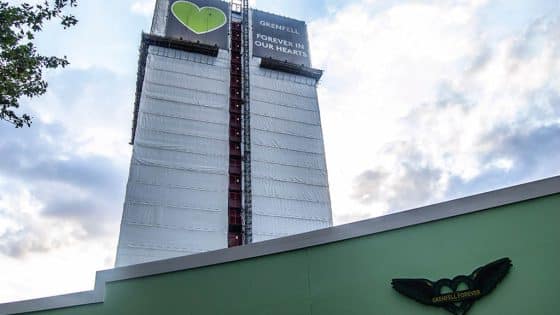

The UK government has issued warning letters to 49 firms implicated in the Grenfell Tower tragedy, signalling possible bans from public contracts.
- Prime Minister Keir Starmer highlighted these companies’ roles in the Grenfell failings during a response to the tragedy’s inquiry report.
- All the companies have different levels of responsibility regarding the Grenfell disaster, with initial letters sent by junior housing minister Alex Norris.
- The Cabinet Office has kept confidential the names of the contacted firms and the letters’ detailed contents.
- Banning these companies from contracts is complex due to procurement laws and could impact numerous jobs and prices.
The UK government has taken a definitive first step in holding businesses accountable for their roles in the tragic events at Grenfell Tower by issuing warning letters to 49 implicated organisations. The intent is to potentially ban these firms from obtaining public sector contracts, thus addressing their involvement in the incident. Prime Minister Keir Starmer asserted the need to communicate directly with each company found culpable in these ‘horrific failings.’
In a recent statement to Parliament, junior housing minister Alex Norris confirmed the dissemination of initial warning letters. These were sent under the directive of the Prime Minister, with the Cabinet Office overseeing the process. The contents of these letters remain undisclosed, as does the identity of the recipients, as per the Cabinet Office’s refusal to release such information.
Kingspan Insulation Limited (UK), which supplied a minor portion of the insulation used in Grenfell Tower, acknowledged receipt of a letter. A spokesperson confirmed ongoing engagement with the government, restating their commitment to addressing the inquiry’s findings and implementing corrective measures. Similarly, Arconic, the supplier of the external cladding, has also been contacted.
The implications of this action extend beyond the organisations directly linked to Grenfell. There is uncertainty regarding whether the prohibition will encompass parent companies or subsidiaries uninvolved directly. Further, the potential sanctions pose significant concerns; one source indicated that such bans could jeopardise thousands of jobs and elevate materials costs, counteracting economic growth efforts.
Navigating the legal landscape presents its challenges. As seen in 2019, when Grenfell contractor Rydon was included in a government housing framework, existing EU rules were found to prevent outright exclusion from public contracts. Upcoming legislation, such as the Procurement Act, will introduce mechanisms like a ‘debarment list’ for identifying firms post-investigation. However, retrospective considerations limit its applicability to relatively recent events.
The government’s approach to sanctioning Grenfell-related firms is laden with complexities, raising questions about its feasibility and broader economic impacts.

