
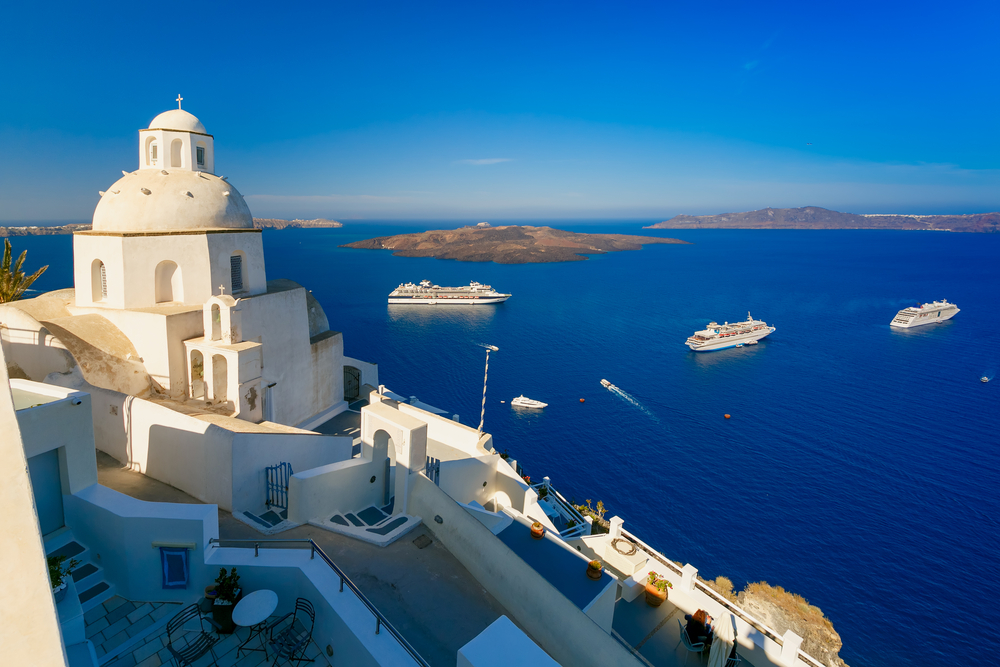

Greece intends to impose a €20 levy on cruise passengers visiting key islands to manage tourism effectively and sustainably.
- This new tax aims specifically at arrivals to Santorini and Mykonos during the peak summer months where tourism pressure is acute.
- Prime Minister Kyriakos Mitsotakis stated that this measure is necessary despite Greece not facing a structural over-tourism issue globally.
- Revenue from this levy is anticipated to bolster local infrastructure, providing tangible benefits to the communities affected by high visitor numbers.
- Greece is considering additional regulations, such as limiting simultaneous cruise ship arrivals, to further alleviate the strain on popular destinations.
Greece has announced a strategic move to introduce a €20 levy on cruise ship passengers visiting its premier islands, specifically targeting Santorini and Mykonos. This tactic, designed to curb the pressures of excessive tourism, is scheduled to take effect during the bustling summer season when these islands experience a significant influx of visitors. Prime Minister Kyriakos Mitsotakis articulated that while Greece, on the whole, does not suffer from over-tourism, certain locations do endure intense visitor numbers during peak times, necessitating government intervention.
Mitsotakis underscored the burden cruise shipping places on these islands, citing the inevitability of interventions to manage the situation. As Greece’s tourism sector generated approximately £20 billion in 2023 with close to 31 million tourist arrivals, it is evident that the sector is pivotal to the nation’s economy. The intention is for part of the revenues from this levy to be reinvested into local communities, supporting infrastructure development and thus fostering sustainable tourism growth.
Further measures under consideration by the Greek government include regulating the number of cruise ships that can dock concurrently at these destinations. Additionally, there are discussions around introducing environmental safeguards and addressing water shortages, part of a broader initiative by popular tourist locales globally to mitigate the impacts of rapidly growing visitor numbers.
This approach aligns with international examples, such as Venice’s 2019 prohibition of large cruise ships from its Guidecca canal, and Barcelona’s recent decision to elevate the tourist tax for short-term cruise visitors. Similarly, Amsterdam’s long-term plan to relocate its cruise terminal by 2035 reflects a global shift towards balancing tourism with city livability.
By directing efforts towards maintaining equilibrium between hosting tourists and preserving local resources, Greece aims to sustain its tourism industry’s growth while addressing the challenges posed by its success.
Greece’s strategic imposition of the levy seeks to balance tourism benefits against its burgeoning challenges, ensuring future sustainability for its iconic islands.

