

The UK government is strategising to alleviate potential delays caused by new EU biometric border checks.
- Concerns have been raised about extended queues at ports and terminals due to fingerprint and photo requirements.
- The Entry/Exit System (EES) is set to come into force in November, affecting British travellers to the EU.
- Home Office Minister Seema Malhotra advocates for ‘light-touch’ measures to expedite traveller processing during peak times.
- Efforts are underway to extend emergency measures beyond the initial six-month period to avoid summer disruptions.
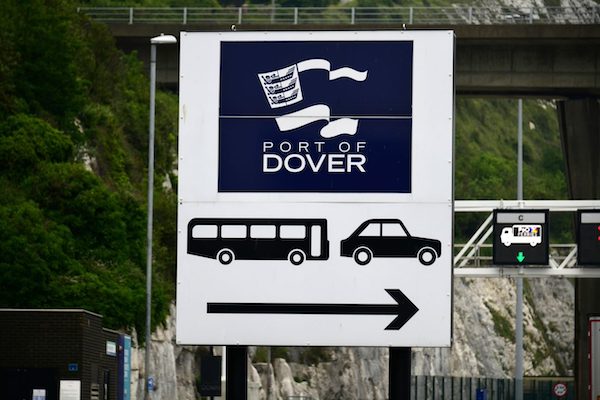
The UK government is actively seeking measures to reduce anticipated delays resulting from the introduction of new EU biometric checks. With the Entry/Exit System (EES) set to come into effect from November 17, concerns have been voiced regarding potential increased queues at venues such as the Port of Dover, Eurostar, and Eurotunnel terminals. These checks involve fingerprinting, photography, and passport verification for British tourists entering the EU for the first time.
In an address to the MPs, Home Office immigration minister Seema Malhotra indicated that dialogues are ongoing with the European Commission to introduce extended emergency measures. These measures would potentially allow French border personnel to implement ‘fast track’ processing during high-traffic periods. Importantly, during these occasions, border staff may exercise a ‘light-touch’ approach, foregoing some biometric checks to expedite the process.
Currently, the government is advocating for the extension of these measures beyond the initial six-month grace period. The goal is to minimise congestion, particularly during the high-travel summer months when queues are predicted to peak at locations such as Dover. Minister Malhotra emphasised the necessity of this extension, stating, ‘We believe that extending these beyond six months would improve throughput at the EU’s external border if queues form during peak periods in early 2025 due to the additional processing time required for EES.’
Despite these proposed strategies, Malhotra noted that insufficient strides have been made to mitigate the expected impacts of the EES. Disruption is likely, especially at critical travel hubs like London St Pancras, Eurotunnel at Folkestone, and the Port of Dover. The Home Office plans to introduce legislation to expand the French border control zone at Dover, a move aimed at alleviating congestion when the EES is operational.
The UK government’s efforts aim to ensure smoother travel experiences amid new EU entry procedures, yet challenges remain significant.

