
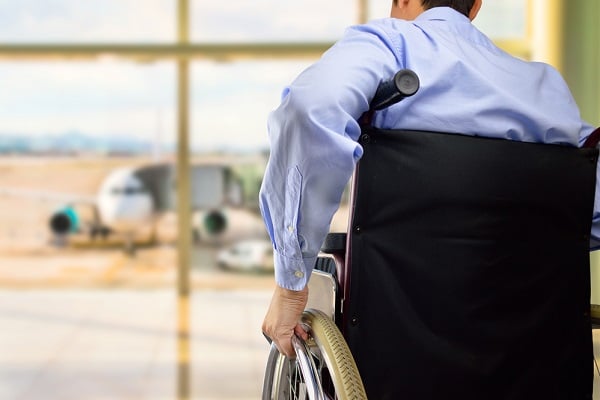

The Department for Transport has announced a new initiative to improve accessibility in air travel for disabled individuals. The Aviation Accessibility Task and Finish Group aims to remove obstacles preventing seamless travel experiences. The group will be led by Paralympian Baroness Tanni Grey-Thompson. It includes representatives from various sectors. The initiative marks a significant step towards ensuring dignity and respect for all passengers.
The taskforce’s creation addresses longstanding issues faced by disabled travellers, such as inadequate wheelchair handling and lack of access to facilities. By bringing together experts from across the industry, the group aims to implement actionable solutions. This collaborative approach is expected to drive meaningful improvements. The ultimate goal is to transform air travel into an accessible and enjoyable experience for everyone.
Formation of the Taskforce
The Department for Transport has established a pioneering taskforce aimed at dismantling barriers in the aviation sector for individuals with disabilities. This initiative, known as the Aviation Accessibility Task and Finish Group, seeks to enhance the flying experience for disabled passengers by addressing longstanding challenges in accessibility. Chaired by Paralympian Baroness Tanni Grey-Thompson, the group comprises representatives from disability advocacy groups, airlines, and airports.
Key figures in disability advocacy, including Sophie Morgan, a renowned presenter and campaigner, have been enlisted to contribute their expertise to the taskforce. Morgan, who has been instrumental in highlighting the challenges faced by disabled passengers through her work with Rights on Flights, brings a wealth of knowledge to the group. The Department for Transport’s announcement underscores a commitment to substantial reform in the aviation industry’s approach to accessibility.
Objectives and Challenges
The newly formed taskforce is laser-focused on several primary objectives. These include identifying and addressing the most significant barriers disabled individuals face when travelling by air. Issues such as wheelchair handling, access to onboard facilities, and the provision of timely assistance are high on the agenda. The taskforce aims to deliver results that will make air travel not just more accessible but dignified.
In addition to physical accessibility hurdles, the group is tasked with tackling less visible yet equally critical obstacles. These include enhancing communication and understanding between airline staff and disabled passengers to ensure a seamless and respectful travel experience. The Department for Transport has acknowledged the aviation industry’s advancements but insists further progress is essential.
Industry Involvement
Collaborating closely with key industry players, the taskforce includes members from major airlines such as Jet2, British Airways, and Virgin Atlantic. Airport authorities from Manchester, Stansted, East Midlands, and Glasgow are also actively involved. This broad representation ensures that a wide array of perspectives and expertise inform the taskforce’s work.
The presence of representatives from different sectors is seen as vital to drafting comprehensive recommendations. These stakeholders will work collectively to propose solutions that address the full spectrum of challenges faced by disabled passengers. The group’s multifaceted approach aims to bring about meaningful and lasting improvements in the accessibility of air travel.
Expected Outcomes
The taskforce is expected to outline both short-term and long-term actions that can be realistically achieved by the industry. These actions are intended to deliver tangible improvements in the air travel experience for disabled passengers. By prioritising achievable goals, the taskforce aims to foster swift yet sustainable changes.
Recommendations from the taskforce will be presented to the transport secretary, serving as a blueprint for industry-wide implementation. The focus on practical solutions reflects a commitment to making noticeable progress in the near future, instilling confidence among disabled travellers.
Government and Industry Statements
Transport secretary Louise Haigh has expressed her determination to see the aviation industry evolve to meet the needs of all passengers better. Highlighting the urgency of reforms, she stated that everyone’s right to travel with dignity should be respected. Her speech at Manchester Airport was a clear call to action for change.
Industry leaders have also voiced their support for this initiative. Ken O’Toole, CEO of Manchester Airports Group, emphasised the group’s ongoing efforts to maintain accessible and safe airport environments. The announcement of the taskforce represents a significant step forward in these efforts.
Role of Disability Advocates
Disability advocates play a crucial role in shaping the taskforce’s agenda. Their firsthand experiences and insights are invaluable in identifying practical solutions to accessibility challenges. The inclusion of advocates like Sophie Morgan ensures that the needs and rights of disabled passengers are at the forefront of discussions.
Baroness Tanni Grey-Thompson has highlighted the importance of involving disabled individuals in decision-making processes. By working alongside industry experts and government officials, advocates can amplify their voices and influence positive change, ensuring that the aviation sector becomes more inclusive.
Long-term Impact
The taskforce’s work is expected to have a lasting impact on the aviation industry. By establishing a framework for ongoing improvements, it seeks to ensure that accessibility becomes an integral part of flight operations. This initiative could set a precedent for other sectors, demonstrating the importance of inclusivity in all areas of travel and transportation.
The long-term vision includes continuous monitoring and adaptation of policies to reflect evolving needs and technologies. By fostering a culture of accessibility, the taskforce aims to create an environment where all passengers can travel with confidence and independence.
Broader Implications for the Industry
The formation of this taskforce highlights the growing recognition of accessibility as a critical component of customer service within the aviation industry. As airlines and airports strive to meet the needs of all passengers, they may also discover opportunities to enhance overall service quality.
By prioritising accessibility, the industry not only caters to disabled passengers but also elevates the flying experience for everyone. As such, this initiative could prompt a reevaluation of standard practices, leading to innovations that benefit the broader travelling public.
Conclusion and Future Steps
The taskforce’s efforts represent a pivotal moment in the ongoing journey toward equitable air travel. With the backing of government and industry, there is a strong foundation for driving advancements in accessibility.
Looking ahead, the taskforce’s recommendations will serve as a roadmap for future developments. Continued collaboration between stakeholders will be essential to implementing these changes effectively and ensuring a more inclusive future for air travel.
The Aviation Accessibility Task and Finish Group signifies a critical advancement in promoting inclusive air travel. With comprehensive backing from industry and government, significant progress is within reach.

