
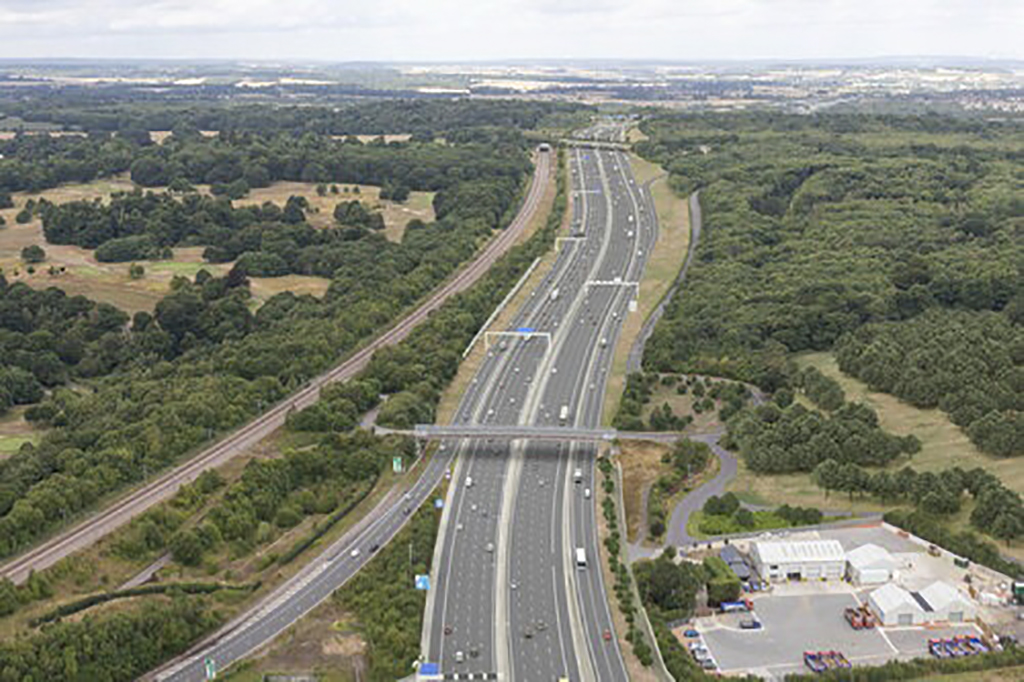

The decision on the future of the Lower Thames Crossing project has been postponed, impacting planning and development timelines.
- The postponement is to ensure a new transport secretary can review the plan post-election, influenced by the scheduled general election on 4 July.
- Estimated project costs have been contentious, with current inflation rates and past estimates raising financial concerns.
- Contracts for significant parts of the project have already been awarded, underscoring ongoing commitments despite delays.
- Campaign groups continue to oppose the project, citing fiscal constraints and environmental concerns.
The government’s decision on the Lower Thames Crossing (LTC) project, which aims to connect Kent and Essex via a tunnel under the River Thames, has been deferred until 4 October. This delay allows the incoming transport secretary adequate time to assess the proposal following the general election set for 4 July, as indicated by Mark Harper, the current transport secretary. The previous decision deadline of 20 June falls during the height of the election campaign period, necessitating this rescheduling.
The project’s financial aspects have been under scrutiny, originally valued officially at £8 billion. However, the Planning Inspectorate projected a cost of £9 billion back in 2020. With inflation peaking at over 11% in October 2022, the project’s expenses might be higher despite inflation rates falling to 2.3% recently. These financial dynamics have been a pivotal element in the ongoing discussions around the LTC.
In December, a joint venture between Bouygues Travaux Publics and Murphy secured a £1.34 billion contract for the tunnelling work, while Balfour Beatty obtained a £1.2 billion contract for constructing roads north of the Thames in January 2023. Skanska was also designated as the preferred bidder for a £450 million contract for roads in Kent back in July, underscoring the project’s substantial infrastructural commitments amid the current uncertainties.
Opposition from groups such as the Transport Action Network (TAN) remains robust. TAN has been a vocal critic, urging the abandonment of the project completely. Chris Todd, TAN’s director, emphasized the necessity for a comprehensive review of all road schemes, referencing budgetary limitations as a critical concern. He articulated a hope that the delay would enable a new administration to reconsider its stance on the LTC, advocating for its termination. In 2021, TAN pursued legal action against the government’s road investment strategy, which included the LTC. However, their case was dismissed by the High Court.
The Lower Thames Crossing is among three major infrastructure projects awaiting the transport secretary’s attention after the election, alongside proposals for a new terminal at London Luton Airport and a ferry terminal at Immingham in Lincolnshire. Despite the deferral, the commitments reflected in the already awarded contracts indicate an ongoing momentum in the planning and potential execution of the project.
The delay in the Lower Thames Crossing decision highlights the complexities of infrastructure planning amidst changing political and economic landscapes.

