
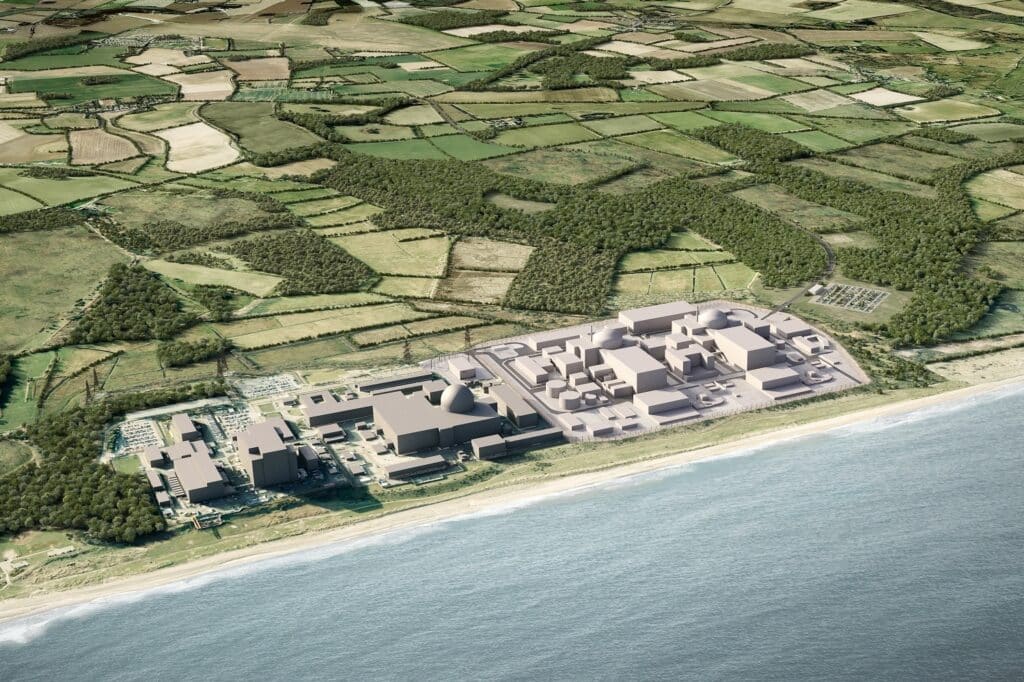

The UK government confirms a £2.7bn funding commitment for Sizewell C nuclear plant, sparking varied reactions.
- The funding is not new but part of a larger £5.5bn scheme previously announced by the government.
- Proponents argue this will boost energy security and create jobs, as critics demand more scrutiny and transparency.
- Construction delays and election pauses have previously stalled the final investment decision for Sizewell C.
- The Treasury did not comment on the allocation, leaving questions about the financial strategy unanswered.
The UK government’s recent decision to allocate an additional £2.7bn for the Sizewell C nuclear power station has stirred considerable discussion among industry experts and public commentators. Despite initial appearances, this funding is part of an already announced £5.5bn scheme, not an entirely new investment as clarified by HM Treasury. This development aims to bring Sizewell C closer to the critical final investment decision, crucial for the project’s advancement.
Supporters of Sizewell C assert that this funding is a strategic move towards enhancing the UK’s energy security. Proponents maintain that new nuclear projects are essential for securing clean power and skilled jobs. Tom Greatrex from the Nuclear Industry Association highlighted its significance, noting that Sizewell C will energise over six million homes for more than 80 years, and inject substantial investment into local businesses and communities.
However, critics challenge the value and transparency of this investment. Groups like Stop Sizewell C have been vocal in urging for increased scrutiny over government expenditure, raising concerns about fiscal prudence and project transparency. They argue that huge sums have been spent without final investment decisions, questioning the commitment’s logic amid sluggish movements in private sector negotiations.
The Sizewell C project has experienced multiple delays, affected by the previous government’s policies and election schedules, which have shifted timelines for key investment decisions. This pause has meant that the long-anticipated final investment decision is unlikely before 2025, despite government efforts to push progress.
The government has not responded to requests for further comment, adding another layer of complexity to the unfolding discussion. The response, or lack thereof, from the Department for Energy Security and Net Zero and the Treasury, leaves the specifics of the financial strategy somewhat opaque. This silence comes amidst ongoing talks about Great British Nuclear’s Small Modular Reactor competition, suggesting that broader nuclear strategies are under significant evaluation.
The ongoing debate on Sizewell C funding reflects broader challenges in balancing energy ambitions with financial transparency.

