

Google has announced a historic deal to integrate nuclear energy from small modular reactors (SMRs) to power its AI infrastructure, marking a global first.
- The partnership with Kairos Power will see initial operations of the first SMR by 2030, with plans to expand until 2035, contributing up to 500MW to US grids.
- This initiative aligns with Google’s target of achieving a net zero carbon footprint, supporting its data centres with consistent, carbon-free energy.
- The collaboration is designed to accelerate both deployment and commercialisation of Kairos Power’s technology, enhancing electricity reliability for emerging AI technologies.
- This development reflects Google’s commitment to spearheading advanced clean technologies and expanding its renewable energy portfolio.
In a trailblazing move, Google has entered into an agreement with Kairos Power to source nuclear energy from small modular reactors (SMRs) for its artificial intelligence (AI) operations. This collaboration represents the first corporate deal of its kind globally, aiming to integrate advanced nuclear power into Google’s energy matrix, underscoring its commitment to innovative energy solutions. The deal anticipates the initial activation of Kairos Power’s inaugural SMR by 2030, followed by further expansions up to 2035, potentially delivering up to 500MW of electricity to service U.S. grids and support Google’s data centres.
The strategic initiative is set to address the increasing energy demands of AI technologies, which are pivotal in driving global scientific and business advancements. Google underscores the criticality of a consistent and reliable energy supply to ensure uninterrupted AI operations. By incorporating nuclear power, Google seeks to strengthen its existing array of renewable resources like solar and wind, thus fortifying its mission to achieve a net zero carbon footprint and deliver 24/7 carbon-free energy worldwide.
Central to this ambition is Google’s reactor “orderbook,” a strategy designed to expedite the deployment and economic accessibility of Kairos Power’s technology, which features a pioneering molten-salt cooling system paired with ceramic, pebble-type fuel for enhanced efficiency. This design not only bolsters the reactors’ safety and affordability by allowing low-pressure operations but also simplifies construction and lowers costs.
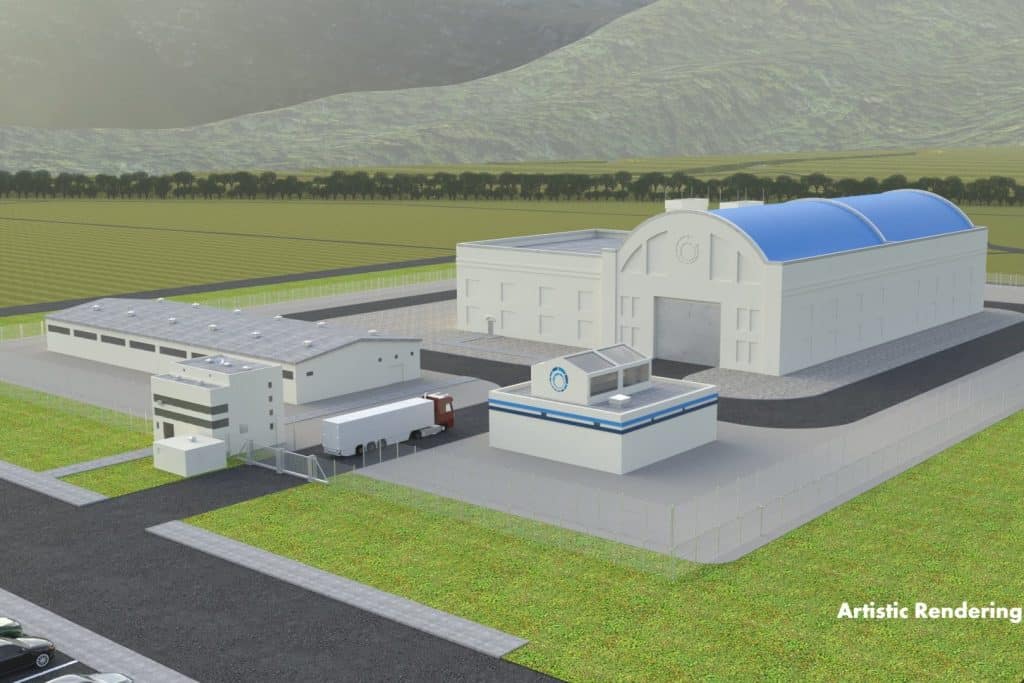
A milestone was reached with the commencement of construction on the Hermes demonstration reactor in Tennessee, acknowledged as the first advanced reactor project in the U.S. to obtain a construction permit from the Nuclear Regulatory Commission. Kairos Power views the multi-plant agreement with Google as an opportunity to advance its iterative demonstration strategy through initial commercial implementations, with each plant fostering ongoing learning and optimisation that aim to hasten deployment and scalability.
The agreement embeds milestone-driven accountability to facilitate Kairos Power’s ability to uphold delivery commitments over the tenure of the partnership, enhancing both technical and market feasibility of nuclear solutions critical for decarbonising power grids. Google values this partnership as an instrumental part of its broader strategy to commercialise and expand necessary advanced energy technologies, ensuring widespread community access to clean, affordable power.
This unprecedented agreement between Google and Kairos Power marks a significant leap forward in integrating advanced nuclear energy into mainstream technology infrastructures.

