
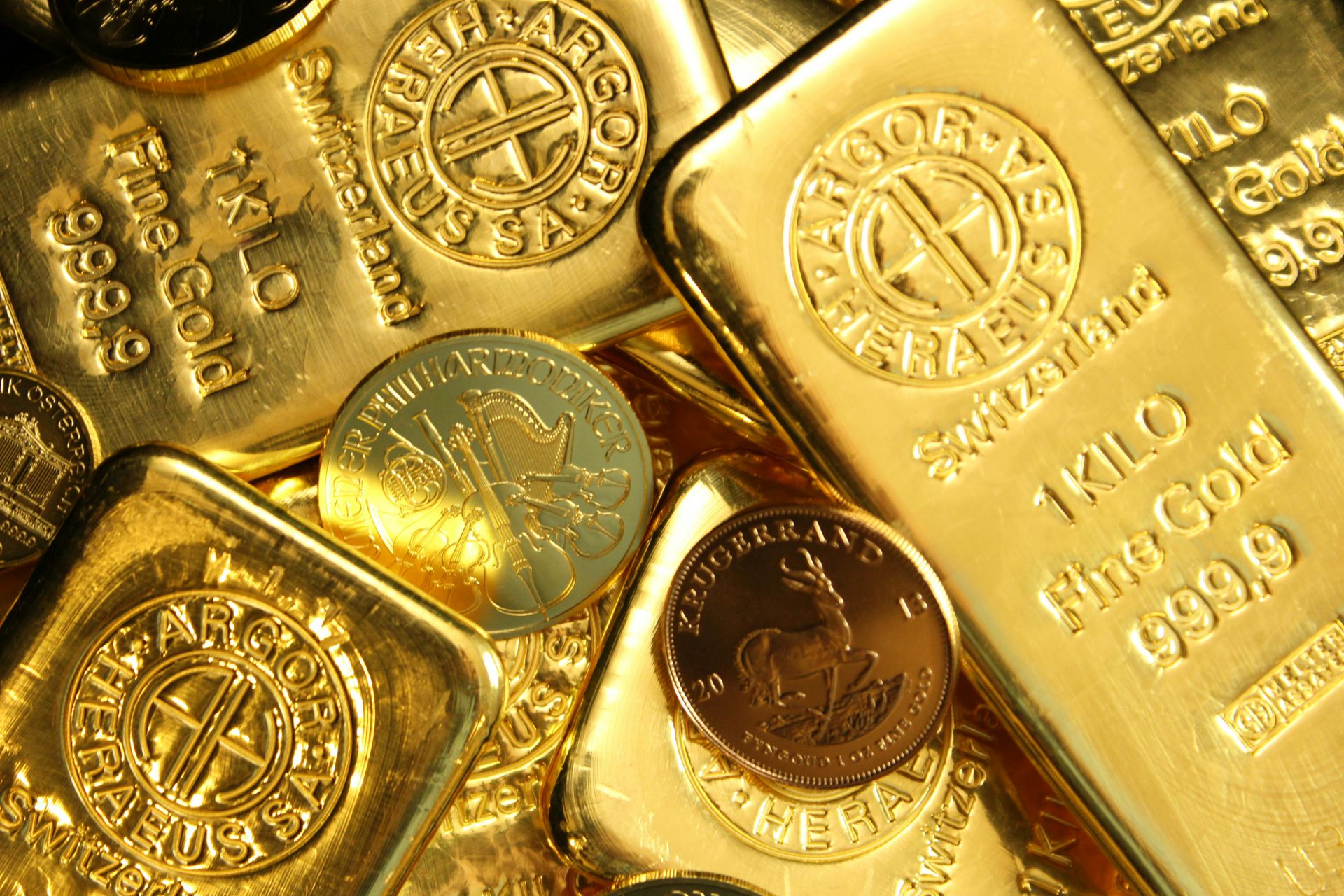

Gold has achieved a milestone, breaking past the $2,700 mark per ounce for the first time. This record-breaking surge emphasises gold’s role as a leading haven investment.
Recent developments have catalysed the climb, making it a focal point for investors facing economic uncertainties. As the global market landscape shifts, gold’s allure continues to shine ever brighter.
Driving Forces Behind Gold’s Surge
Amid escalating Middle Eastern conflicts and intense political landscapes in the US, gold has emerged as a preferred choice for market stability. It reached $2,731.30, hailed as a new pinnacle in its valuation. With geopolitical concerns and the US election adding volatility, experts like Christopher Wong suggest that such conditions might sustain gold’s upward momentum.
The metal’s rally of 2.3% last week reflects sustained demand, attributed largely to optimism regarding future rate cuts. The Fed’s easing cycle initiation has fostered this sentiment, further fuelled by Western investors’ renewed interest, especially as BRICS nations like China have shown robust demand. It indicates a global shift in gold investment dynamics.
Recent reports by Bravos Research have identified a correlation between rising US dollar values and gold prices, hinting at potential economic turmoil. With gold being a traditional hedge against financial instability, its current trend might foreshadow significant economic developments. This correlation underscores gold’s appeal amidst market uncertainties.
Gold’s Potential Trajectory
Looking ahead to 2025, commodity analysts including those from Goldman Sachs forecast that gold prices could approach the $3,000 benchmark. Predictions suggest a new high of $2,973 in two years.
Analysts reaffirm their recommendations for long gold positions, attributing future price increases to declining global interest rates and increasing central bank demand. These factors, combined with gold’s defensive attributes against geopolitical and recession risks, drive its potential rise.
Gold’s Growing Appeal Over Traditional Assets
Gold’s ascendancy highlights its growing appeal over traditional investment assets like US Treasury bonds. As the US faces rising national debt, the stability gold offers becomes even more attractive.
The Bank of America notes that amidst these fiscal challenges, gold increasingly serves as the ultimate safe haven.
Impact of Global Events on Gold Prices
Gold prices are intricately linked to global events, with recent spikes partly due to escalating tensions in the Middle East and ongoing geopolitical uncertainties.
As these events unfold, investors often flock to gold, seeking refuge in its perceived stability. Such dynamics are likely to continue influencing its price.
Economic Indicators and Gold’s Value
Economists and market experts frequently cite gold prices as indicators of broader economic conditions. When gold rises, it often signifies deeper financial worries, indicating underlying economic pressures.
With current indicators pointing towards potential instability, gold’s valuation might continue to reflect broader economic unease.
Investor Strategies in a Changing Market
As traditional polls and predictions diverge, strategies involving gold are gaining traction. The fluidity in political developments, especially around elections, is pushing more investors to consider gold.
This strategic shift reflects a broader trend in reassessing traditional investment portfolios to include more hedging options like gold.
Conclusion
Gold’s latest price milestone underscores its enduring significance in uncertain times. As market dynamics evolve, its role as a stabilising force is likely to persist.
Investors will watch closely, assessing how gold’s trajectory might align with broader economic and geopolitical shifts.
Gold’s latest milestone underscores its enduring significance in uncertain times. As market dynamics evolve, its role as a stabilising force is likely to persist.
Investors will watch closely, assessing how gold’s trajectory might align with broader economic and geopolitical shifts.

