
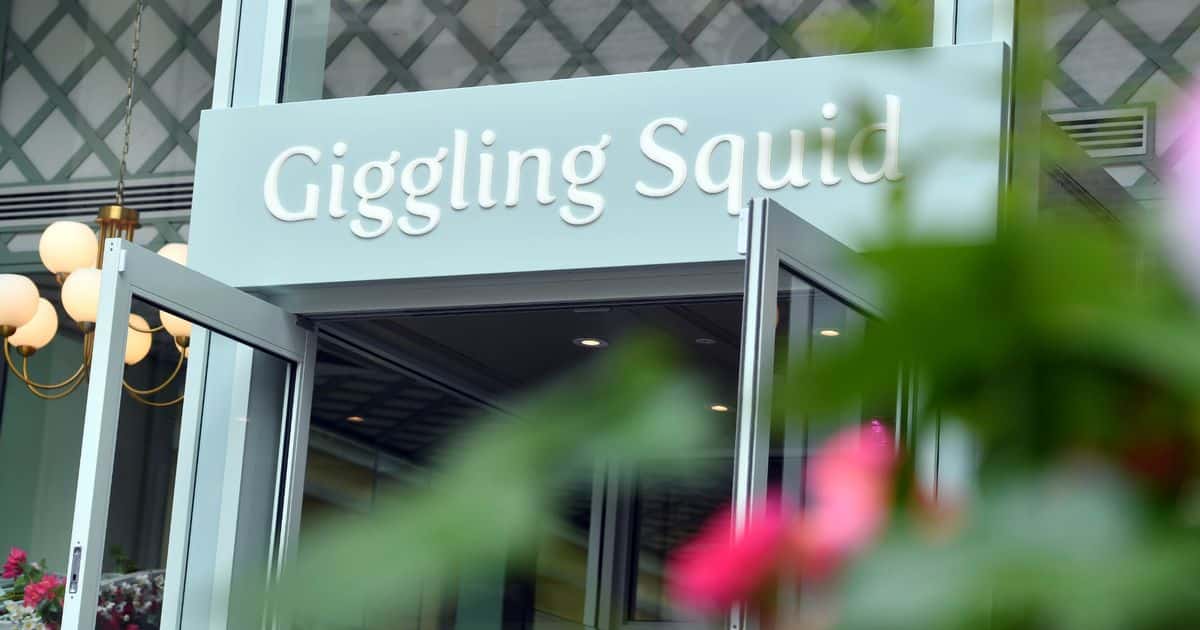

Giggling Squid records a significant financial turnaround this year.
- The restaurant chain achieved a £1.5 million pre-tax profit for 2024.
- Revenue increased to £78.6 million, with expansion in various locations.
- Despite a small setback in Cheshire, Giggling Squid’s footprint grows.
- Founders express confidence and optimistic outlook despite challenges.
The past year marked a substantial financial recovery for Giggling Squid, a Thai restaurant chain headquartered in Guildford. The company reported a pre-tax profit of £1.5 million for the fiscal year concluding on 31 March 2024, a considerable rebound from the preceding year’s pre-tax loss of £1.9 million.
Revenues for Giggling Squid climbed from £75.1 million to £78.6 million, demonstrating robust growth and successful business strategies. This improvement is underscored by the company’s strategic expansion, with new branches opening in Cardiff, Bracknell, and Shrewsbury, and a new establishment in Cardiff Bay at the year’s end.
The expansion, however, was not without its challenges. The closure of a site in Cheshire slightly tempered the growth, though it did not deter the company’s trajectory as another outlet was introduced in London during the ongoing financial year. This strategic balancing act highlights the company’s adaptability in a competitive market.
The board of Giggling Squid has articulated a confident perspective, acknowledging the high inflation and interest rates, yet maintaining a positive outlook. They stated, “The group continued to go from strength to strength and had a very profitable year despite the macroeconomic backdrop of high inflation and interest rates.”
Founded by Andy and Pranee Laurillard, Giggling Squid began with their first restaurant in Hove, 2009. Since then, the chain has grown significantly across the UK, currently operating 49 locations. This resilient expansion underscores the founders’ and board’s strategic acumen in navigating economic uncertainties.
Giggling Squid demonstrates resilience and strategic growth amid challenging economic conditions.
