
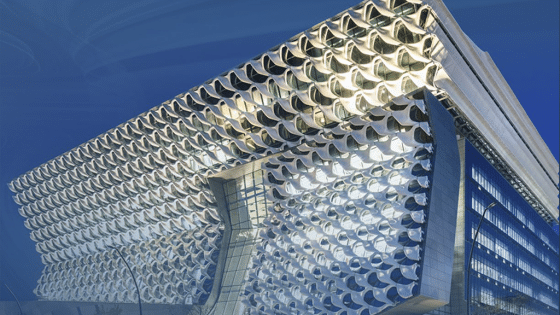

Discover how generative design is revolutionising facade construction with cutting-edge technology.
- Generative platforms are essential in facilitating efficient and sustainable building projects.
- Experts are leveraging 3DEXPERIENCE CATIA to innovate facade designs and processes.
- Multidisciplinary collaboration through Virtual Twins is enhancing complex building simulation.
- Prioritising material reuse is vital for sustainable construction practices.
In the ever-evolving world of construction, the integration of advanced generative platforms has become imperative. Generative design tools equip architects and engineers to explore multiple design options efficiently, ultimately streamlining building projects. These platforms not only ensure compliance with stringent timelines and budgets but also align with sustainability goals, reducing potential risks associated with facade construction.
At the forefront of this technological innovation is 3DEXPERIENCE CATIA. Renowned for its capabilities, the platform empowers facade designers to engineer both straightforward and intricate designs with ease. This solution fosters creativity by allowing facade experts to experiment with various configurations, optimising productivity through parameters and generative design techniques, thereby pushing the boundaries of traditional design methodologies.
The deployment of Virtual Twin technology introduces a new paradigm in multidisciplinary collaboration. By simulating complex building structures and facilities, project teams can deliver precise outcomes that meet client expectations, emphasising the use of virtual models to anticipate challenges and streamline the construction process. This advanced approach not only enhances efficiency but also prioritises the reuse of materials, which is crucial for the environmental sustainability of future construction projects.
Within the context of sustainable development, the reuse of building materials is gaining recognition as a pivotal strategy. By re-utilising resources, the industry can significantly reduce its environmental footprint. The integration of generative design and Virtual Twin technologies facilitates this practice by enabling detailed modelling and simulation, ensuring that sustainable objectives are met without compromising on quality or aesthetics.
Generative design and Virtual Twin technologies are reshaping facade design in construction, promoting efficiency and sustainability.

