
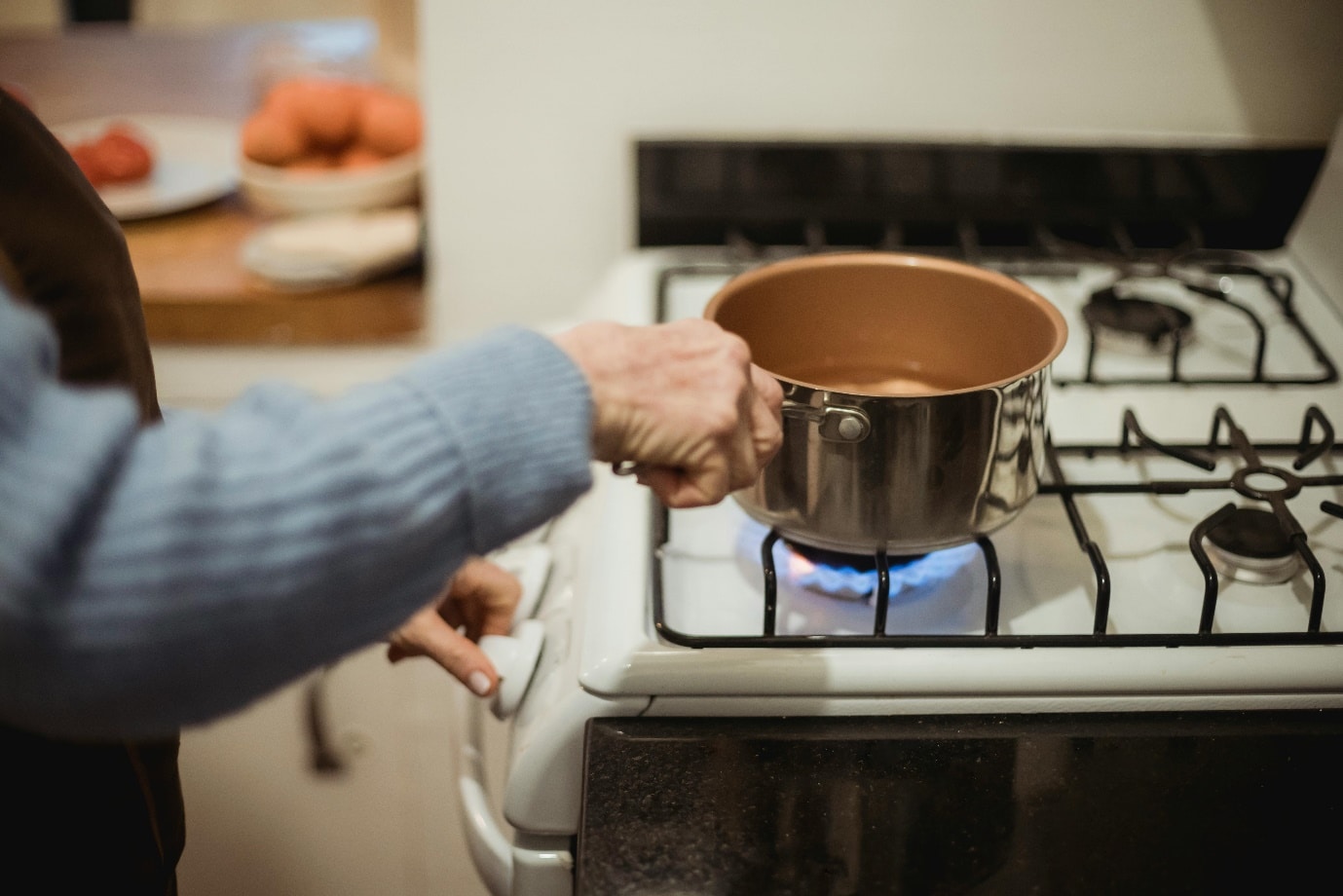

Gas can be a volatile substance but it’s also an incredibly useful energy source. We rely on it for many things, most notably heating our properties and cooking our food, amongst other uses.
Whilst issues can arise from the usage (or improper usage) of gas, such as gas leaks and even explosions or fires, these issues are generally uncommon. That said, it’s still important to be mindful and aware of what could go wrong with gas and what you can do to prevent any problems.
To keep you safe, here’s what you need to know about the two biggest issues that come with using gas appliances…
What Can Go Wrong?
The main risks when it comes to gas safety are leaks and carbon monoxide poisoning, here’s some information about both:
Gas Leaks:
The primary cause of a gas leak is due to fault or damage to pipes or appliances. This fault or damage may allow gas to escape from their enclosure. It’s these faults that are the reason why it’s so important (and a legal requirement) to have all of your gas appliances installed properly and professionally by gas safe engineers.
Natural gas is actually non-toxic, and so breathing some of it in is only dangerous if there is no balance of oxygen. If natural gas manages to fill up an area, replacing all the oxygen, then it will lead to suffocation.
Other than this danger, the other risk with gas is that it is highly flammable, so if not kept concealed in a controlled area, such as pipes or appliances like hobs, fires or explosions can occur.
Detecting a Gas Leak
Gas naturally has no odour, so a small amount of chemical or other type of gas is added to it in order to give it a smell so that it can be detected for safety reasons.
If a gas leak happens in your property, you should be able to notice it via the distinct “gas” smell. Some have compared it to the smell of rotten eggs, this is due to the sulphur.
Preventing a Gas Leak
To reduce the risk of a gas leak, make sure to get all gas appliances serviced regularly. An expert will check them over for damage and identify any potential issues in order to keep them maintained, working efficiently, and reduce the risk of issues.
This is especially important for boilers. It is recommended to get a service once a year and an upgrade roughly every 15 years, simply search boiler service near me to find a local gas engineer and book a safety check.
If you suspect a gas leak in your property, you should immediately:
- Open windows and doors to ventilate the area (if possible)
- Turn off the gas supply (if possible)
- Avoid using electrical switches or anything that could create a spark
- If the problem is severe, you should vacate the premises, move away from the building into fresh air and contact the National Gas Emergency Service on 0800 111 999 or you can text them on 0800 371 787
Carbon Monoxide (CO) Poisoning:
Unlike natural gas which has an odour added to it, carbon monoxide is an odourless, colourless gas that is undetectable by human senses. Due to this, it is sometimes known as the silent killer.
Carbon monoxide is produced when gas appliances don’t burn fuel properly, without enough oxygen.
Exposure to carbon monoxide can cause a range of symptoms, ranging from mild signs to severe consequences, including:
- Dizziness
- Headaches
- Shortness of breath
- Nausea
- Confusion
- Loss of consciousness (in severe cases)
- Organ damage (in severe cases)
- Death (in severe cases)
Preventing CO Poisoning
In order to guard yourself against CO poisoning, you’ll need to install a carbon monoxide detector in your home. They are portable and generally affordable, usually costing under £20 to under £50 at the most.
You can place multiple detectors, one for each area that contains a fuel burning appliance, or you can purchase one and place it in a central area such as a hallway or landing, or near your bedroom so that you’ll definitely hear it if it goes off.
Make sure the detector is placed at least a metre away from appliances. Ideally it would be placed on a shelf at head height, and away from ventilation systems, exterior doors, and areas prone to condensation such as bathrooms and cooking areas. Regularly test and replace batteries as required.
Final Thoughts
By getting your appliances installed and serviced by professionals, purchasing a carbon monoxide detector and knowing the signs and symptoms of gas problems, you can keep you and your property safe.

