
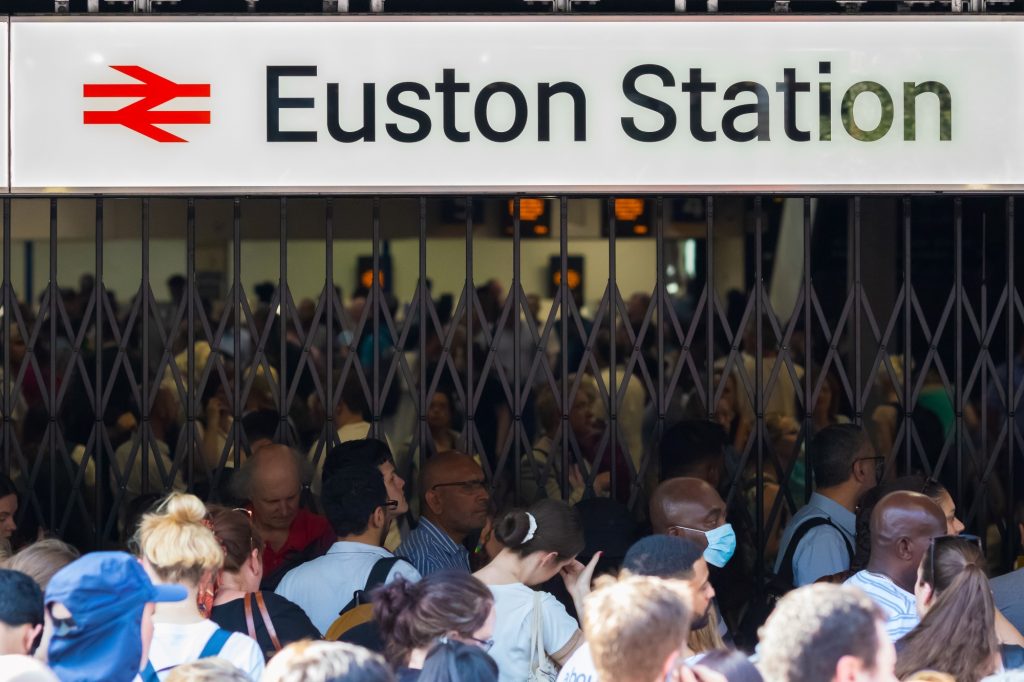

The dismissal of engineer Gareth Dennis from Systra has ignited a significant debate within the UK railway sector.
- Dennis raised alarming concerns about safety at Euston station, labelling it as unsafe due to overcrowding.
- Lord Hendy, in response, allegedly threatened Systra with business withdrawal, leading to Dennis’s dismissal.
- Systra conducted a disciplinary process, ultimately concluding with Dennis’s termination.
- The incident has highlighted issues of accountability and safety culture within the railway industry.
The unexpected dismissal of respected rail engineer Gareth Dennis from Systra has stirred considerable controversy, spotlighting critical safety issues and the culture of silence within the UK railway industry. Dennis, known for his outspoken nature, candidly voiced concerns about passenger safety at the overcrowded Euston station, referring to it as an uncomfortable and unsafe environment. His remarks gained significant media attention, but they also attracted the ire of influential figures in the railway sector.
Lord Peter Hendy, who holds a pivotal role within the railway infrastructure, allegedly wielded his influence to coerce Systra into terminating Dennis’s employment. By threatening to withdraw future business with Systra, Lord Hendy’s actions have raised troubling questions regarding the suppression of safety concerns in favour of maintaining corporate relationships. This situation underscores a disconcerting trend where industry leaders potentially prioritise business interests over safeguarding public wellbeing.
An email exchange disclosed that Lord Hendy directly queried Network Rail officials about Dennis’s handling post his public comments, highlighting an orchestrated move to mitigate dissent. Despite presenting substantial evidence supporting his claims, including the Office of Rail and Road’s improvement notice, Dennis’s position at Systra seemed untenable in the face of such significant external pressure.
During his tenure at Systra, Dennis was praised for his dedication to rail safety, evidenced by his receipt of the 2024 Young Rail Professional Award. However, the aftermath of the Independent article and subsequent correspondence with Lord Hendy painted a starkly different picture of the value placed on safety advocacy in the rail industry.
In discussions addressing his dismissal, Dennis reiterated the engineer’s duty to raise safety concerns, emphasising a greater responsibility to society beyond corporate allegiance. Through his work with the Campaign for Level Boarding, Dennis actively engaged with accessibility challenges, reinforcing his commitment to enhancing travel experiences for disabled and vulnerable passengers.
The broader implications of this case extend to the industry’s leadership, questioning the ethos of prioritising profit over safety and employee welfare. Dennis highlights a pervasive issue within the railway sector, where emerging safety advocates face formidable resistance, risking professional repercussions for fulfilling their moral obligations. The narrative also exposes systemic barriers deterring outspoken voices, especially from underrepresented groups, from effecting positive change within the industry.
The Gareth Dennis case brings to light the critical need for transparency and accountability in the railway sector, underscoring the importance of an unwavering commitment to safety.

