
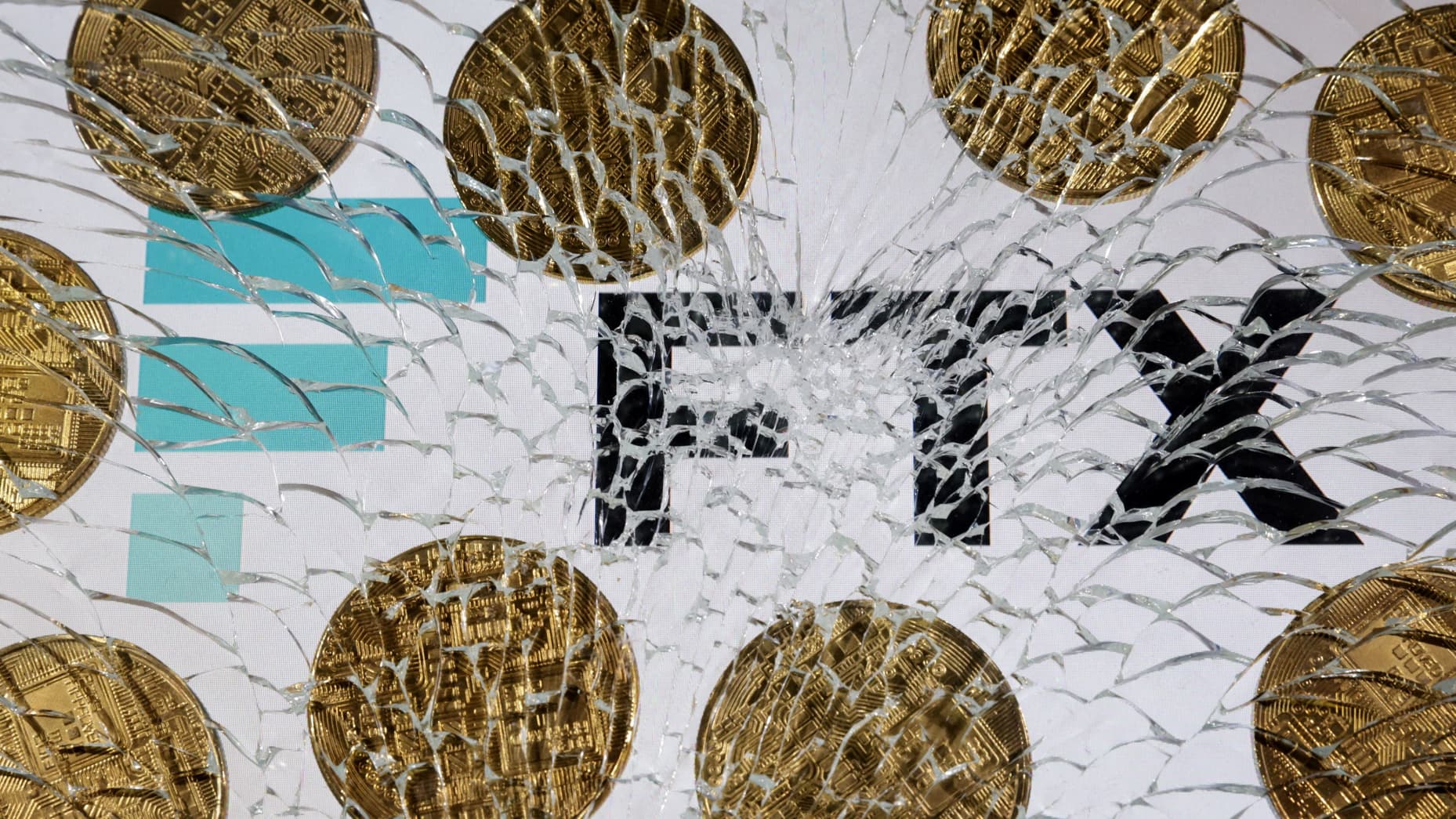

The collapsed cryptocurrency exchange FTX has been legally cleared to embark on a repayment plan aimed at reimbursing its customers. This move comes nearly two years after FTX’s sudden downfall left many investors in turmoil.
With over $16 billion poised for redistribution, the compensation strategy has sparked a blend of relief and controversy among creditors and investors alike.
Legal Endorsement of the Repayment Scheme
In a pivotal decision, U.S. Bankruptcy Judge John Dorsey sanctioned FTX’s long-awaited compensation plan. He unveiled this during an October hearing in Wilmington, Delaware. Remarkably, this scheme promises to refund up to 98% of creditors with accounts valued under $50,000. Beneficiaries will receive up to 118% of the November 2022 account value within two months of the plan’s initiation.
However, uncertainties loom as the precise commencement date remains undisclosed. The managing body of FTX has reportedly amassed between $14.7 billion and $16.5 billion, predominantly in cash and cryptocurrencies, to facilitate customer repayments. Meanwhile, dialogue continues with the U.S. Department of Justice to reclaim an additional $1 billion tied to legal proceedings against former CEO Sam Bankman-Fried.
Concerns Among FTX Creditors
Despite being hailed as a ‘creditor victory,’ the proposed repayments have encountered skepticism. Creditors argue the reimbursement does not reflect the heightened value of Bitcoin, which has markedly increased from November 2022’s levels.
The inability to adjust repayments for the current market conditions has disappointed many. FTX clarifies that the squandered assets cannot be restored to their contemporary worth, highlighting a fundamental issue in the restitution process.
Comparative Analysis: FTX and Mt. Gox
FTX CEO John Ray attributes this recovery success to the meticulous efforts in reconstructing FTX’s depleted financial records.
This extensive effort has resulted in a proposed distribution nearly twice that of Mt. Gox, which recently returned about $8.8 billion to its creditors this year.
Noteworthy is the decision to dispense refunds in cash. Experts suggest this might instigate a bullish trend in the crypto sphere, as holders may reinvest their cash compensations into digital currencies, contrasting with Mt. Gox where refunds were executed in crypto.
Expectation Versus Reality for Creditors
The approved repayment scheme promises returns that potentially exceed initial asset values held in November 2022. Nevertheless, for many, the reality of receiving cash in a fluctuating market introduces concerns about recouping their total initial investments.
While the scheme offers swift repayment within 60 days of commencement, clarity on the starting date and specific procedural details remain sparse, contributing to unease among stakeholders.
Regulatory Communications and Prospective Steps
FTX continues to engage in discussions with the U.S. Department of Justice regarding the recovery of seized funds. Successful negotiations could potentially redistribute $230 million to shareholders, complementing the broader creditor repayment strategy.
The regulatory dimension underscores the complexity and ongoing nature of FTX’s recovery process, emphasizing a thorough and persistent approach to securing further reimbursements.
Market Implications of FTX’s Repayment
The handling of creditor repayments, particularly via cash settlements, hints at possible market movements. Analysts predict a probable increase in crypto investments, owing to creditors’ influx of liquidity.
This anticipated pattern is perceived as a potential catalyst for cryptocurrency valuations, contrasting with the liquidation-driven market effects witnessed in past asset settlement scenarios.
Summary of the Current Situation
FTX’s court-approved plan marks a significant stride towards addressing its remaining financial obligations and restoring some degree of trust in the digital asset ecosystem.
FTX’s journey towards compensating its creditors reflects a critical aspect of financial restitution within the crypto market. The ultimate impact of these repayments remains to be fully realized, hinging significantly on the company’s ability to uphold its current strategic direction.

