
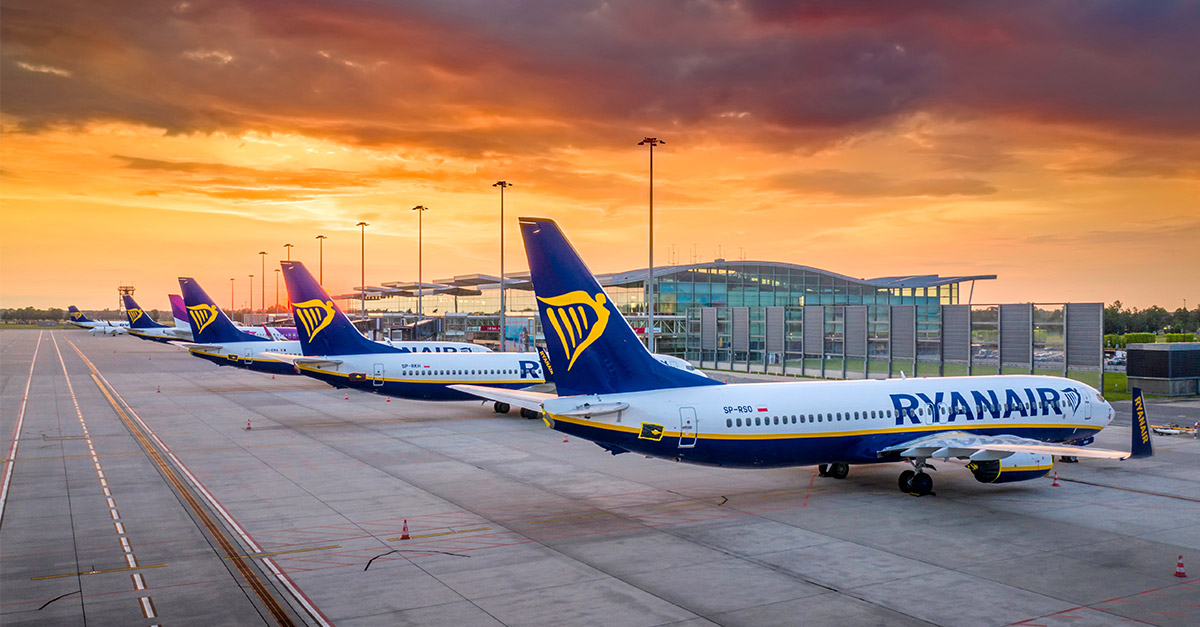

A recent strike by French air traffic controllers has led to Ryanair cancelling almost 100 flights at Paris Beauvais airport. The strike coincided with the anniversary of the D-Day landings, affecting numerous passengers.
This industrial action is part of a series of strikes causing significant disruptions in European air travel. Passengers impacted by these cancellations have been informed of their options, including alternative flights or refunds.
Impact on Passengers
The unexpected cancellation of flights by Ryanair has left many passengers in a difficult situation. Affected travellers at Paris Beauvais airport were notified, prompting frustration and inconvenience. For those stranded, immediate arrangements were necessary, with options for rebooking or refunds offered.
Root Causes of the Strike
The action taken by French air traffic controllers reflects ongoing disputes over working conditions. Recent strikes point to broader dissatisfaction within the aviation sector. Such disruptions underscore the challenges airlines face, balancing operational efficiency with workforce grievances.
These strikes have not only affected airlines like Ryanair but also other carriers such as Wizz Air. The recurring nature of these actions suggests deep-seated issues that have yet to be resolved, leaving passengers and airlines caught in the middle.
Ryanair’s Response
In response to the disruptions, Ryanair has called for intervention from the European Commission. The airline argues that existing policies do not adequately protect passengers affected by such national strikes within the EU.
Ryanair’s stance highlights a call for reforms, resembling measures adopted in countries like Spain and Italy. These countries have implemented laws to minimise disruption during strikes, serving as a model for potential EU-wide legislation.
A spokesperson for Ryanair expressed frustration, indicating that the lack of action from EU authorities has resulted in avoidable chaos. The airline’s position is that without reform, passengers will continue to face hardships during these unavoidable industrial actions.
Comparative Analysis Across Europe
Other European nations have adopted various strategies to mitigate the impact of air traffic control strikes. Italy, for instance, employs minimum service laws to ensure essential operations continue. This contrasts with the situation in France, where similar measures have not been enforced, leading to more extensive disruptions.
By examining these different approaches, it becomes apparent that EU-wide consistency is lacking. Such disparity leaves passengers vulnerable to disruptions depending solely on their travel destination, illustrating the need for harmonised regulations.
Historical Context
Since 2023, there have been numerous French air traffic controller strikes, disrupting air travel across Europe. Although intended to address local grievances, these strikes often have broader ramifications, affecting flights across the continent.
The persistent nature of these strikes has prompted ongoing dialogue about the role of the European Commission in mitigating such disruptions. Discussions have revolved around whether more stringent policies should be in place to safeguard air travel.
Historical patterns suggest that unless proactive measures are adopted, similar disruptions will continue. The need for a comprehensive strategy is evident, one that addresses both the rights of workers and the needs of the flying public.
Union Perspective
Unionised aviation workers in France argue that their actions are necessary to effect change. They claim that without strikes, meaningful dialogue around working conditions is unlikely. Their stance is that the disruptions highlight issues that need addressing at a national and European level.
The union’s perspective underscores a fundamental tension between employee rights and the operational needs of airlines. Striking a balance between these competing interests is an ongoing challenge, one that requires nuanced solutions.
Future Implications
The ongoing strikes in France serve as a cautionary tale for the rest of Europe. Should similar actions occur elsewhere without adequate policies in place, the consequences could be severe. There is a growing call for the EU to develop frameworks that protect air travel from national disputes.
Such frameworks would not only ensure consistency in handling strikes but also provide a more secure environment for travellers. The goal is to prevent national issues from spilling over into broader European air travel networks.
The recent Ryanair cancellations are a vivid reminder of the broader impact of air traffic controller strikes in Europe. Systemic changes are essential to protect passengers from similar disruptions in the future.

