
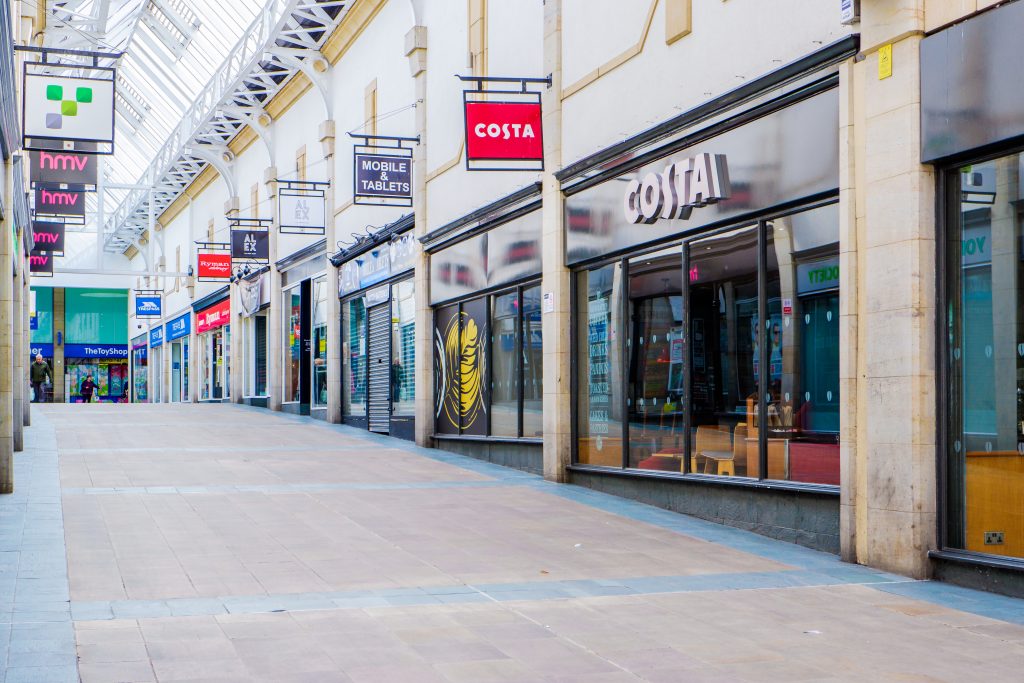

Mike Ashley’s Frasers Group has expanded its UK property holdings by acquiring the St Nicholas Arcade in Lancaster. This move is part of a broader strategy to bolster its retail presence across the country.
Located in a prime area, the Arcade attracts four million visitors annually, making it a key asset in Frasers’ growing portfolio. The acquisition underscores Frasers’ commitment to enhancing its physical retail spaces.
Frasers Group’s Strategic Expansion
The acquisition of St Nicholas Arcade in Lancaster marks a significant step in Frasers Group’s strategic expansion of its property portfolio. This move follows the company’s recent pattern of acquiring prominent shopping centres across the United Kingdom. With a total area of 160,000 square feet, the St Nicholas Arcade is a noteworthy addition to Frasers’ growing list of physical assets, underscoring its emphasis on revitalising traditional retail spaces.
Diversified Property Investments
In the past year, Frasers Group’s property acquisitions have included The Mall in Luton, bought for £58 million, and the Overgate Centre in Dundee, reportedly costing £30 million. Such investments highlight Frasers’ targeted approach to enhancing its retail presence in key urban areas.
The addition of the Frenchgate shopping centre in Doncaster this July further underscores the group’s intention to cement its influence in the retail property sector. These strategic purchases reflect a calculated effort to acquire locations with significant foot traffic and consumer appeal.
Ongoing Pursuit of Key Retail Sites
Frasers Group is actively pursuing additional retail sites across the UK. Among these is the Maidstone shopping centre, Fremlin Walk, for which negotiations are underway.
The group is reportedly in talks concerning Princesshay shopping centre in Exeter, with a focus on acquiring Nuveen’s 50% stake. This potential acquisition aligns with Frasers Group’s overarching business strategy to enhance its property division.
These prospective purchases indicate a firm commitment to acquiring prime retail properties, further establishing Frasers as a dominant force within the marketplace.
Retail Commitment and Market Positioning
A spokesperson for Frasers Group stated, “We believe in the enduring value of bricks-and-mortar retail, and our acquisition strategy reflects this belief.” These acquisitions not only reinforce Frasers’ position in the retail sector but actively contribute to the regeneration of local high streets.
The group’s commitment to physical retail showcases a forward-thinking approach amid a challenging retail landscape, where digital and physical shopping experiences must coexist.
Unlocking Value and Growth Opportunities
The acquisition strategy embraced by Frasers Group seeks to unlock the latent value within shopping centres by introducing its own brand fascias into these locations. This tactic serves a dual purpose: to enhance brand visibility and to drive commercial success through increased consumer engagement.
Frasers Group’s CEO, Michael Murray, emphasised the long-term benefits of these decisions, noting, “Delivering unparalleled shopping experiences is at the heart of our business model.”
Acquiring strategically located shopping centres has been pivotal in extending Frasers’ market reach and bolstering its reputation within the retail industry.
Challenges and Strategic Considerations
Despite the positive trajectory, Frasers Group faces the challenge of navigating an evolving retail environment. The pressure to adapt to changing consumer preferences and integrate technology with traditional shopping experiences remains.
The company’s ongoing investments in retail properties illustrate a proactive approach to addressing these challenges, ensuring sustained growth and leadership within the sector.
Frasers Group’s acquisition strategy reflects a deep commitment to the UK retail market, prioritising physical spaces as central to future growth. These investments indicate a robust, forward-looking approach to retail.
As more acquisitions unfold, Frasers Group continues to shape the retail landscape, demonstrating adaptability and resilience amid industry changes.

