
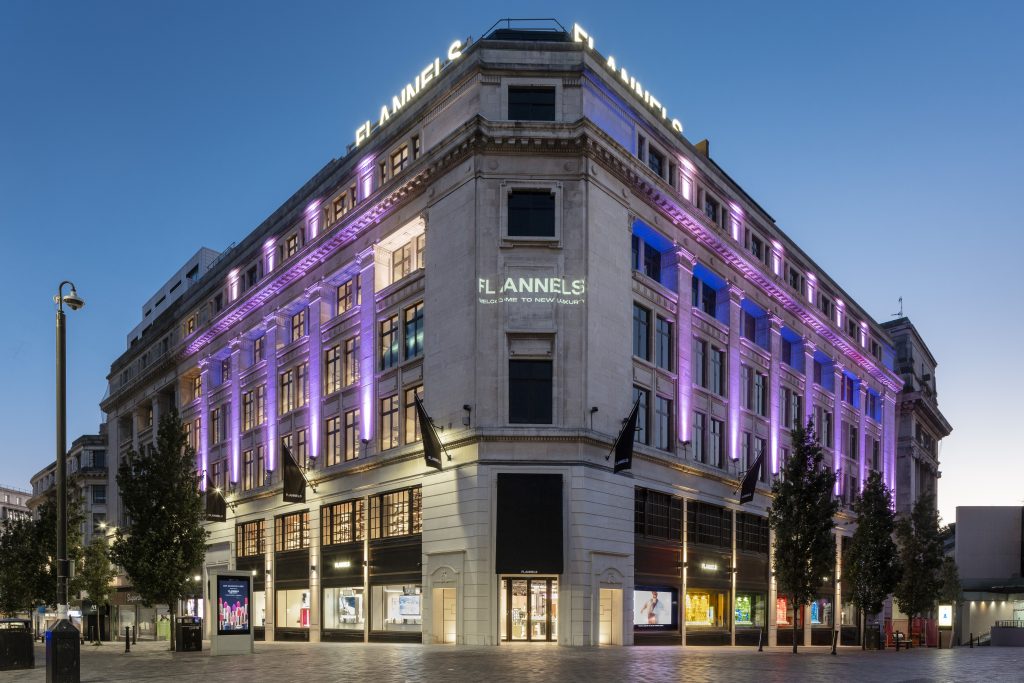

Frasers Group has made headlines with its third shopping centre acquisition, raising questions about retailer landlords’ future role in property investments.
The recent acquisition of Doncaster’s Frenchgate Centre marks a strategic move by Frasers, reflecting a broader trend among retailers exploring property ownership as a means of enhancing their market presence.
Frasers Group’s Strategic Expansion
On 2 July 2024, Frasers Group announced its acquisition of the Frenchgate shopping centre in Doncaster. This significant investment, following earlier purchases in Luton and Dundee, underscores Frasers’ ambitious expansion of its real estate portfolio across the UK.
The shopping centre, first listed for £35m, represents a strategic acquisition, aiming to anchor its brands such as Sports Direct and Flannels, and increase value through leveraging its own fascias.
This acquisition is not an isolated event but part of a series of investments, including a potential stake in Exeter’s Princesshay estate, further highlighting Frasers’ commitment to property as a key part of its growth strategy.
Implications for Local High Streets
Frasers’ growing portfolio holds implications for local high streets, potentially transforming centres into vibrant hubs anchored by well-known retail brands.
By leveraging its brands, Frasers plans to enhance footfall, thereby increasing property value and transforming previously undervalued retail locations.
Such investments are often motivated by the relatively low acquisition costs and the ability to reposition assets for profitability, impacting local economies positively.
The Retail Strategy Behind Property Investments
Frasers Group’s approach is long-standing, involving strategic purchases of distressed retail properties to inject value through brand positioning.
By expanding in shopping centres, they plan to quadruple the size of existing stores, including flagship brands such as Sports Direct.
This strategy is reminiscent of past investments like the acquisition of DW Sports and JJB Sports outlets, later rebranded, demonstrating a historical pattern of strategic property leverage.
Ikea’s Foray into Retail Property
Following Frasers, Ikea’s acquisition of Brighton’s Churchill Square exemplifies retailers’ drive to control premium retail space.
Ikea’s real estate arm, Ingka Centres, aims to develop new store formats within existing centres, as demonstrated by the Livat Hammersmith project.
These developments highlight Ikea’s adaptive strategies in aligning retail environments with consumer needs, enhancing the centres’ appeal and value.
Retailers as Anchor Tenants
Both Frasers and Ikea are now seen as anchor tenants, vital in revitalising shopping centres and boosting local economies.
Their presence increases footfall, making these locations more attractive investments, and facilitating a broader rejuvenation of urban retail spaces.
These property movements signify a fundamental shift in retail operations, where owning real estate complements traditional business models.
The Economic Impact on Regional Centres
Frasers and Ikea’s investments bring potential economic rejuvenation to regional centres, often in need of redevelopment and modernisation.
These retailers’ strategic positioning within these centres is crucial for driving footfall and enhancing the economic viability of these locations.
Such initiatives provide a promising outlook for regional retail real estate, potentially reversing the decline of high streets.
Future Outlook for Retailer Landlords
As retailers increasingly embrace property ownership, the traditional landlord model faces transformation.
Retailers like Frasers and Ikea demonstrate that controlling retail environments offers both strategic advantages and financial returns.
The trend towards becoming retailer landlords could redefine property investment landscapes across the UK, encouraging similar moves from other major retail players.
Frasers Group and Ikea’s ventures into property ownership reflect a strategic pivot towards enhancing brand presence and profitability.
These moves could herald a new era in retail, where property investments by retailers transform market dynamics, especially for local high streets.

