
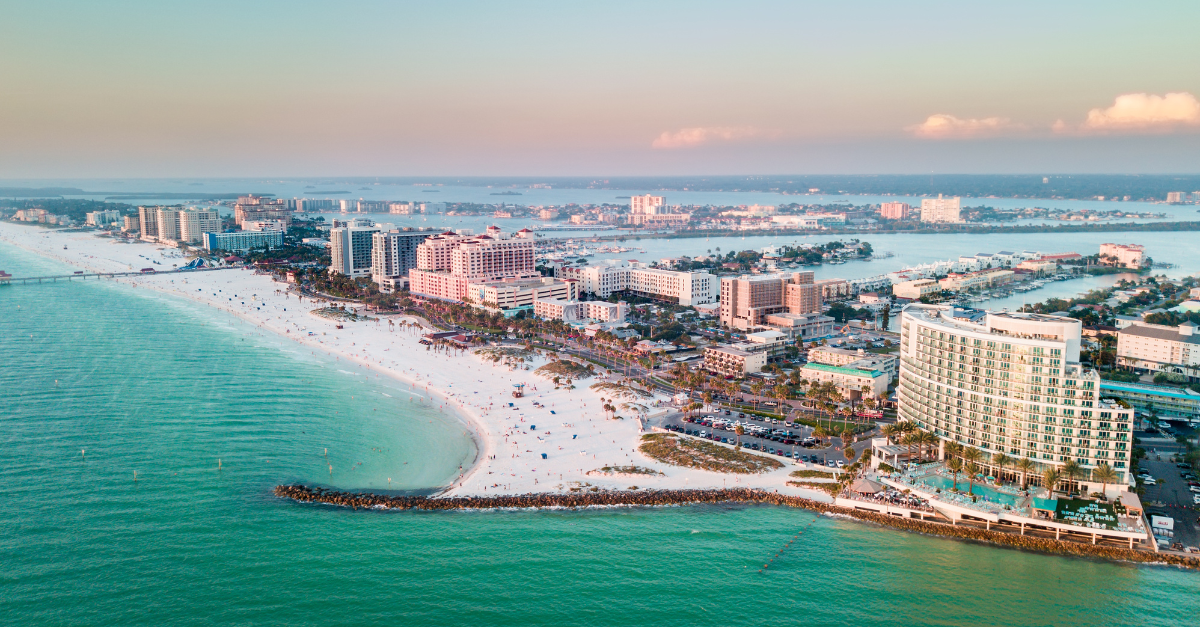

Florida’s tourism sector has displayed exceptional resilience in its recovery from recent hurricanes. The speedy restoration of infrastructure and the zeal to welcome back visitors highlight the state’s determination.
With strategic partnerships and a focus on sustainability, Florida is poised for a comeback. The tourism industry is now eagerly anticipating a resurgence in visitor numbers, fueled by new attractions and restored facilities.
Remarkable Recovery From Hurricanes
Florida has made impressive strides towards recovery following the devastation brought by Hurricanes Helene and Milton. The state’s tourism chief, Dana Young, has been vocal about the rapid clean-up efforts. She pointed out that much of the tourism infrastructure has been restored, enabling the state to welcome back visitors in record time.
The resilience shown by local communities and government bodies has been pivotal in bouncing back. Florida’s unwavering spirit is evident as many areas hit by the hurricanes are now open. Dana Young noted, “Even in the areas that were impacted, much of the tourism infrastructure is back online.”
Visitor Numbers and Market Trends
Visitor statistics reveal promising trends. Although there was a noticeable decline post-pandemic, the UK market is aligning nearly with pre-pandemic figures. Florida hosted around 859,000 UK visitors in the year’s first nine months, marking approximately 92% of pre-pandemic levels.
With strategic campaigns, the aim is to boost these figures. In 2023, a total of 1.14 million UK visitors explored Florida. This was a slight increase from the previous year, though still behind 2019’s records by 14%.
Airlift Stability and Adjustments
Airlift stability has been a focal point in conversations surrounding Florida’s recovery. Some airlines have increased capacity on profitable routes while others have decreased seats. This balance has enabled Florida to maintain a steady influx of tourists.
There’s optimism that upcoming attractions will further stabilise airlift. Particularly, the highly anticipated opening of Universal Orlando Resort’s Epic Universe park in May next year is seen as a significant draw for travellers.
Trade Partnerships and Strategic Focus
The partnership with the travel trade is a cornerstone of Florida’s strategic recovery plan. Dana Young emphasises the importance of these relationships, stating, “The trade is critical to our long-term strategic plan.”
These collaborations extend across various operators and airlines. For the fiscal year from July to June, Visit Florida has launched eight cooperative campaigns. These initiatives are designed to foster growth and extend Florida’s reach in the UK market.
These ventures are not just about numbers. They represent a mutual understanding and shared ambitions between Florida and its trade partners, crucial for sustained recovery and growth.
Infrastructural Resilience and Future Projections
The resilience of Florida’s infrastructure has been put to the test. Yet, the state has emerged stronger, exhibiting a robust system capable of withstanding adversities brought by severe weather events. The rapid restoration of facilities and services showcases this strength.
Looking forward, the tourism sector anticipates positive trajectories. There is reliance on upcoming projects, such as new attractions, to further spur growth and rejuvenation within the state. These projections are rooted in current recovery trends and strategic planning.
The collective effort among Floridians to restore their state is commendable. This sense of unity is echoed in recovery plans which prioritise inclusive, sustainable growth.
Reopening and Economic Impacts
Florida’s reopening efforts are geared not only towards tourism but also economic revitalisation. As attractions reopen, there is a ripple effect which boosts local economies and revives the vibrancy Floridians and tourists cherish.
The economic implications of this resurgence are multi-faceted. A steady influx of tourists supports businesses, providing employment opportunities and stimulating various sectors. This cycle is essential for long-term economic health.
The economic ripple effect extends beyond the immediate tourist spots. From local shops to large-scale enterprises, many benefit from the revived tourism and travel activities, reinforcing Florida’s position as a leading travel destination.
Media and Public Perception
Media narratives have largely been positive, with a focus on Florida’s resilience and recovery. This public perception aligns with efforts portrayed by tourism leaders.
Social media platforms amplify these successes. Through sharing recovery stories and operational updates, Florida continues to build confidence among potential visitors. This transparency is key in positioning Florida as a safe, dynamic choice for travellers.
The portrayal of Florida’s recovery in the media acts as both a reflection and a catalyst for real-world developments, underscoring the importance of communication in tourism recovery.
Challenges and Opportunities Ahead
Despite the progress, challenges remain. Balancing increasing visitor numbers with sustainable growth is an ongoing concern for policymakers and industry stakeholders.
However, these challenges present opportunities to innovate and strengthen resilience. Embracing technology and sustainable practices can guide the tourism sector through these transitional times.
Adapting to the new normal involves transformative strategies and proactive measures—to not only recover but to thrive in an evolving global environment.
Conclusion: A Resilient Path Forward
As Florida advances on its recovery journey, its strategies and adaptive measures set a precedent for resilience. The combined efforts of its people, government, and industry prove vital.
Community spirit and strategic foresight continue to drive Florida towards a brighter future.
Florida’s recovery blueprint showcases a robust model for other regions. Its success in overcoming challenges is a testament to the power of collaboration and community spirit.

