

New research highlights a significant tilt towards fleet electrification.
- 80% of fleet managers see electrification as unavoidable and happening soon.
- 98% of managers plan to expand their EV fleets within a year.
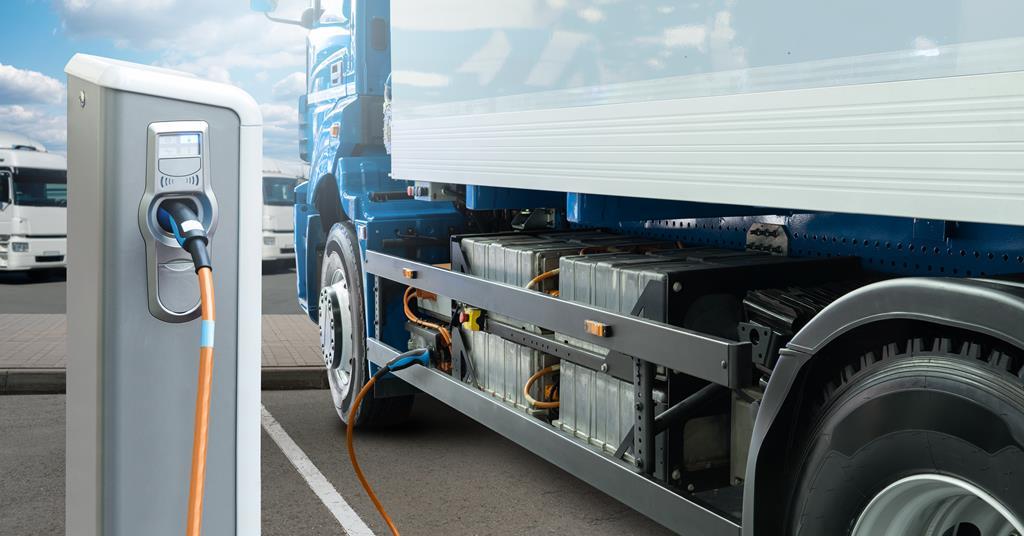
- Charging infrastructure is rapidly expanding to support this shift.
- Economic concerns are not seen as a major barrier to electrification.
New research reveals a decisive shift towards electrification among fleet managers, with 80% identifying it as both inevitable and imminent. This survey, conducted in March 2024 with 250 UK fleet managers, indicates strong momentum towards electric vehicles (EVs) across diverse fleet types including LCVs, HGVs, buses, vans, and cars.
An astounding 98% of the surveyed fleet managers intend to expand their electric vehicle fleets within the next year. Notably, a substantial 79% plan to do so in the next six months. This trend suggests a growing perception of EVs as a practical alternative to traditional combustion engine vehicles, bolstered by increasing battery ranges and trials of electric HGVs.
Economic challenges, often considered a significant barrier, are perceived differently by fleet operators. The survey reports that 60% of respondents believe that the current economic climate will not hinder electrification efforts. Less than a third anticipate any delays due to economic factors, highlighting a resilient commitment to sustainable transitions.
A notable rise in charging infrastructure accompanies this shift, with businesses increasingly providing EV charging options at home and workplaces. According to the survey, 90% of fleets already offer workplace charging points, and over half support home-charging technology. Only 4% of respondents do not currently provide any EV charging options for their workforce.
Fleet operators are driven primarily by cost savings, operational efficiencies, and company values, all contributing to real-time sustainable change. This momentum is further supported by improvements in EV options and expanded public charging infrastructure, diminishing prior adoption barriers. Tom Cosway from Fuel Card Services notes that a sustainable transition is seen as beneficial for both business and employees.
Fleet electrification is increasingly viewed as an essential transition, underscored by a commitment that transcends economic challenges.

