
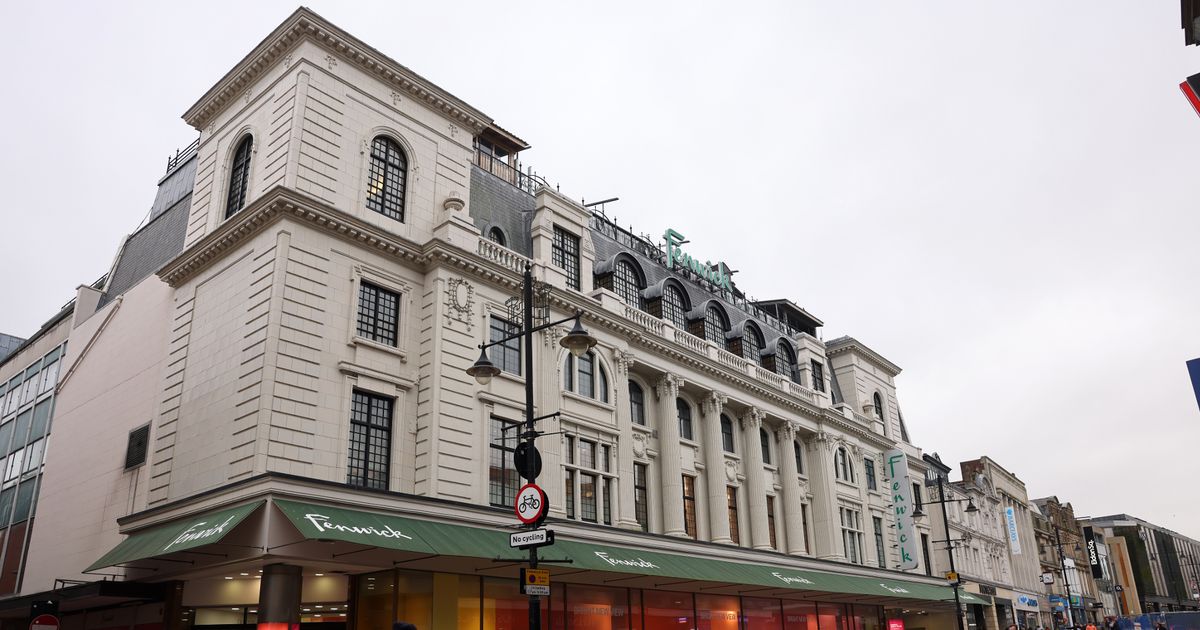

Fenwick, a key player in the North East retail sector, has made significant strides in reducing its financial losses over the past year.
- Despite the challenging economic landscape, Fenwick’s strategic decisions, including the sale of their Bond Street store, have provided needed capital for investments.
- The company focused on differentiating itself through investment in services, hospitality, and in-store and online presence.
- Fenwick’s financial report highlights a narrowed loss to £39.5m from the previous year’s £70.4m.
- Key leadership changes are set to strengthen the company’s approach to personnel and trading.
Fenwick, the storied retailer with a flagship store on Newcastle’s Northumberland Street, has successfully reduced its losses during a year marked by substantial industry challenges. The firm has strategically channelled funds from the £430m sale of its Bond Street store into enhancing its operations across its eight UK locations. The financial year ending January 2024 saw Fenwick posting a loss of £39.5m, a notable improvement from the £70.4m deficit of the previous year.
The challenges during this period were exacerbated by external factors such as the war in Ukraine, which impacted supply chains and increased costs, alongside high inflation and elevated mortgage rates contributing to persistent cost-of-living issues. Despite these hurdles, Fenwick’s operating losses improved to £45.2m from £68.1m, with turnover slightly declining to £180.4m from £193.2m.
Key investments have been made in its Newcastle store, including the creation of the largest beauty hall outside of London. Fenwick aims to distinguish itself through enhanced services both in physical and digital forms. The company’s commitment to improvement is underscored by a plan to complete its Newcastle masterplan in the coming months.
Fenwick has expanded its food and beverage offerings in creative partnerships, including the successful Greggs X Fenwick Bistro and establishing new culinary venues such as the Barbour Tea and Toasties cafe and Mother Mercy cocktail bar. These ventures reflect Fenwick’s strategy to innovate within its core business areas and attract new customer bases.
In an effort to bolster its leadership framework, Fenwick has appointed Susan Gordon as Chief People Officer and Joseph Wright as Chief Trading Officer. These appointments are part of Fenwick’s broader initiative to enhance its business model and reinforce its omnichannel strategy following substantial investments post-Bond Street sale.
Through strategic investments and leadership appointments, Fenwick has positioned itself for future growth amidst challenging conditions.

