
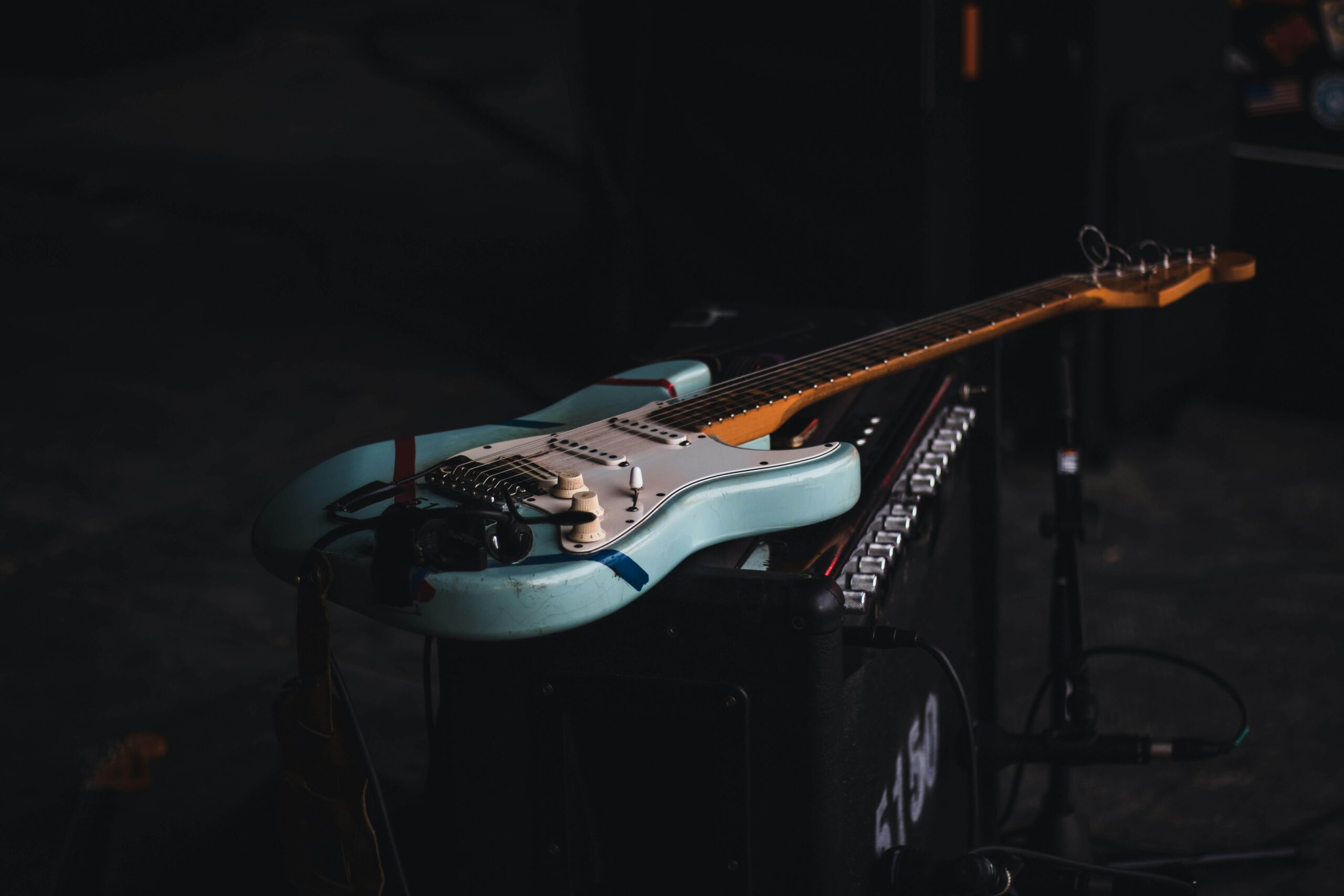

AI’s entry into the music industry poses profound questions about creativity and ownership. As this technology evolves, it brings unprecedented challenges.
The crux lies in balancing AI innovation with the preservation of artistic rights, prompting a reassessment of traditional frameworks.
Understanding AI-Generated Music
The concept of AI creating music is intriguing yet contentious. These systems, fuelled by vast datasets, learn existing music patterns and generate new compositions. Although the output appears unique, the core question remains: Is it truly unique, or a mere reflection of existing works? As these creations become increasingly sophisticated, challenges in distinguishing human creativity from machine output intensify.
Musicians’ Concerns about AI
The music industry voices significant concerns regarding AI-generated tracks. Primarily, musicians argue that AI deprives them of their creative space, utilising their original works without due recognition or compensation. This is exacerbated by companies claiming “fair use,” leveraging publicly accessible music without explicit permissions.
Moreover, the replication of familiar melodies by AI systems triggers debates on originality. The resemblance of AI-produced tunes to recognised tracks raises questions about potential infringements, unsettling many artists and stakeholders in the industry.
Legal Implications and Copyright Challenges
Navigating the legal landscape of AI music is fraught with complexities. Current laws lag behind technological advancements, leaving musicians vulnerable.
The absence of legal frameworks accommodating AI datasets complicates the enforcement of copyright protections. Musicians lack mechanisms to verify if their work has been utilised in AI training, making it difficult to substantiate claims of unauthorised use.
Even when melodies are noticeably similar, establishing legal ownership is challenging without concrete evidence linking original music to AI outputs. Companies argue that similarities are coincidental, complicating efforts for musicians seeking justice.
The Future of Copyright Laws
Adapting copyright laws is imperative in addressing AI’s impact on music. Policymakers must develop regulations that specifically encompass AI-generated content while safeguarding artists’ rights.
Potential solutions include implementing licensing requirements for AI dataset usage, ensuring transparency and consent from creators. Additionally, advances in detection technologies could provide the tools needed to identify AI-exploited works.
While significant hurdles persist, progressive legal reforms could recalibrate the balance between AI innovation and creative rights, offering a more equitable future for musicians.
Technological Limitations of AI Detection
Despite advancements, detecting AI-generated music presents substantial challenges.
Current methods lack accuracy, hindering differentiation between human and AI compositions. The ever-evolving nature of AI technologies further diminishes detection reliability, leaving musicians vulnerable to potential exploitation.
Efforts to create reliable detection tools continue, yet success remains elusive. The inherent adaptability of AI systems complicates the development of solutions capable of identifying unauthorised usage confidently.
Overall, the absence of robust detection mechanisms prolongs uncertainty, with artists left in a precarious position regarding the potential misuse of their work.
Possible Industry Transformations
The ramifications of AI music could trigger industry-wide shifts. Some experts foresee a decline in online music sharing, with artists opting for traditional distribution methods to protect their creations.
The potential for a resurgence in live performances and physical record sales looms as musicians seek alternative avenues to monetise their work. The unpredictable trajectory of AI music necessitates adaptability from stakeholders across the sector.
Reflecting on the AI Music Landscape
The integration of AI into music production is transformative yet fraught with legal and ethical complexities.
Navigating AI’s role in music necessitates a nuanced approach, blending technological capability with regulatory foresight. The industry must adapt.
For musicians, the path ahead is uncertain, yet ripe with opportunities to redefine their craft amidst technological advancements.

