

The latest Engineers Collective podcast delves into the significance of place making in construction and engineering, offering insights from industry experts.
- Place making goes beyond functionality, aiming to deliver societal benefits through projects that cater to community needs.
- Such projects introduce new community resources, leading to improved mental and physical well-being, pride, and economic growth.
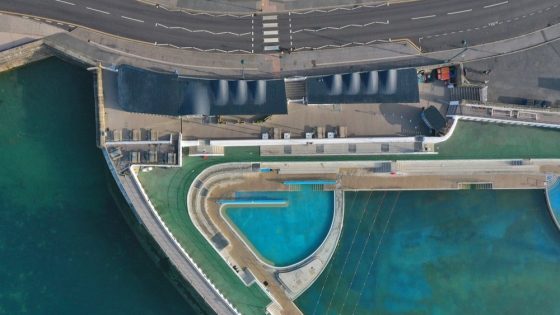
- Urban examples include Battersea and Nine Elms, while smaller, transformative projects like the Jubilee Pool in Penzance are also highlighted.
- Guests Alex Scott-Whitby and Chris Short share their insights on integrating place making into urban planning and its future impact on towns and cities.
The Engineers Collective podcast, in its latest episode, sheds light on the critical role of place making within the realms of construction and engineering. This concept is more than mere functionality; it strives to create projects that inject community-driven benefits and spaces for public use, ultimately enriching societal fabric.
Place making projects are designed to transcend the basic utility of construction works, embracing a holistic approach that fosters public spaces contributing to community well-being. The discussion acknowledges the intricate balancing act between fulfilling client requirements and delivering community enhancements, a complex yet rewarding jigsaw yielding long-term societal rewards such as improved health, heightened pride, and economic uplift.
Cited examples of successful urban place making include significant undertakings like the Battersea and Nine Elms developments around London’s Northern Line extension. These large-scale urban regenerations exemplify how inclusive planning can be leveraged to revitalise city areas, integrating communal benefits into architectural projects.
The podcast also draws attention to smaller-scale, yet equally transformative projects, exemplified by the Jubilee Pool initiative in Penzance led by ScottWhitby Studio. This award-winning project has received recognition for revitalising local public spaces, reinforcing the notion that place making is equally impactful in less urbanised areas.
During the engaging conversation, Alex Scott-Whitby, the formidable force behind ScottWhitby Studio, and Chris Short from Arcadis, delve into the nuances of embedding place making into modern-day projects. They stress the necessity to reshape urban landscapes to better serve public interests, discussing the roles and responsibilities of those involved in ensuring place making principles are respected and realised.
Envisioning the future, the dialogue extends to imagine the evolution of urban and rural environments should place making become an integral part of all developmental agendas. This forward-looking perspective highlights a potential shift towards more people-centric and sustainable urban growth.
The growing implementation of place making in construction projects holds promising potential for societal transformation, enhancing community well-being and economic prosperity.

