
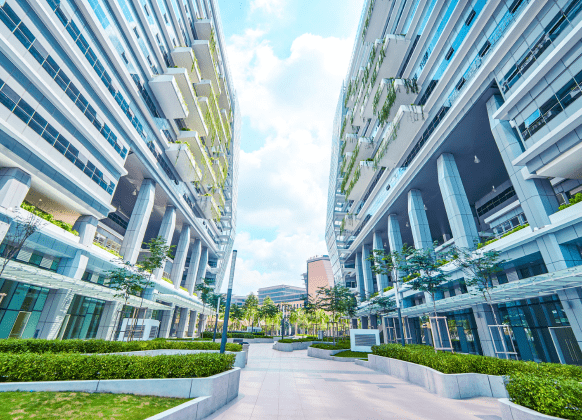

In an era where sustainability is becoming increasingly central, businesses are recognising its impactful role, especially within human resources.
- Sustainable buildings contribute to employee well-being and productivity, offering benefits like reduced sick leave and improved mental health.
- They enhance employer branding by aligning with values of younger job seekers, thus aiding in attracting and retaining top talent.
- Cost-effective eco-friendly infrastructure offers financial incentives that can be redirected towards workforce initiatives.
- Promoting corporate social responsibility through sustainable practices fosters sustained employee engagement and community involvement.
In the contemporary business landscape, the growing emphasis on sustainability is evident, particularly in its implications for human resources. As organisations consciously adopt eco-friendly methodologies in construction and development, the tangible benefits extend beyond environmental impact, directly influencing employee performance and satisfaction. Incorporating features such as natural lighting and improved air quality, sustainable buildings create conducive work environments. These enhancements contribute significantly to reducing sick leave, as employees experience fewer health issues attributed to poor environmental conditions. The presence of green spaces also aids in alleviating stress, promoting better mental health overall.
Aligning corporate strategies with societal values has become crucial, especially with the younger workforce prioritising sustainability. Companies integrating eco-friendly practices into their operations benefit by bolstering employer branding. This alignment with values not only attracts potential candidates who are environmentally conscientious but also ensures higher retention rates as employees choose to remain with corporations that reflect their ethos.
The economic advantage of sustainable buildings runs parallel to their environmental benefits. Operational cost reductions through energy efficiency allow companies to allocate saved resources toward rewarding and developing their workforce. Governments often support such initiatives with financial incentives, enabling further investment in employee-focused programs and benefits, thereby strengthening human resources practices.
Innovation and collaboration are imperatives in today’s corporate world, and sustainability drives both. Eco-friendly buildings often feature collaborative spaces that encourage teamwork and shared ideas, fostering a culture of creativity. The commitment to sustainable practices in business operations inspires innovative solutions that enhance overall efficiency and performance, which are crucial in the fast-evolving market landscape.
Employees exhibit a strong preference for employers who actively pursue corporate social responsibility, particularly through environmental contributions. Sustainable building practices underscore a company’s dedication to societal stewardship, subsequently boosting employee morale and engagement. Such initiatives often encompass community involvement, further enriching the organisational culture and creating a resonant sense of pride among the workforce.
Sustainable development is instrumental in elevating HR strategies by improving workplace environments, brand positioning, and operational efficiencies.

