
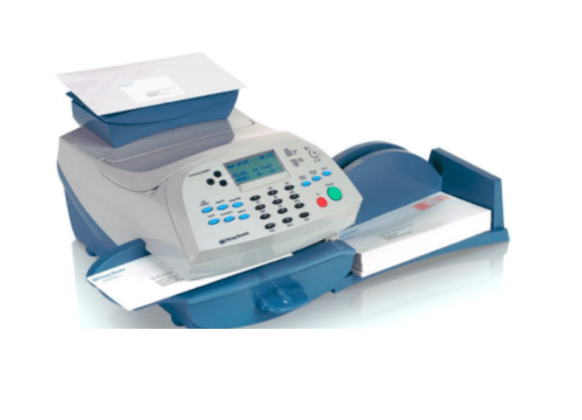

In today’s competitive business environment, innovative tools are essential for enhancing workplace productivity.
- Franking machines, once limited to postal duties, now play a crucial role in streamlining HR processes.
- These machines support HR departments by automating communication, safeguarding data, and managing costs efficiently.
- Their advanced functionalities have positioned them as vital assets in achieving organisational goals.
- By contributing to sustainability efforts, franking machines align with modern corporate responsibilities.
The business landscape demands constant innovation to maintain competitive advantages, and one under-acknowledged asset in this pursuit is the franking machine. These devices, traditionally used for postage, have evolved to serve critical roles within Human Resources departments, offering enhanced communication, cost management, and data security solutions.
Franking machines facilitate streamlined communication by automating the preparation and dispatch of HR-related documents. This automation includes distributing employee contracts, policy updates, and payroll notifications, thus ensuring swift and precise dissemination of essential information. By alleviating the administrative burden associated with manual mailing tasks, these machines enable HR professionals to prioritise strategic, person-centric responsibilities, ultimately boosting organisational productivity.
In terms of data security, franking machines offer robust safeguards that protect personal and confidential information throughout the mailing process. Employing these machines to manage correspondence internally mitigates the risk of data breaches common in external mail services. Furthermore, features like encryption and secure printing help organizations comply with stringent data protection regulations, enhancing trust and safeguarding employee information.
On the cost management front, franking machines offer significant savings by accurately calculating postage requirements and providing access to lower postal rates compared to traditional stamps. This precision prevents overpayment and allows HR departments to allocate resources more effectively, supporting better forecasted budgets and reallocating savings to critical areas within the organisation.
Moreover, franking machines contribute to sustainability by reducing paper use and promoting digital processes. HR departments, typically handling extensive paper volumes, benefit from decreased reliance on physical documents, thus lowering the carbon footprint and aligning with the company’s environmental goals. This commitment to sustainable practices reflects a broader corporate responsibility towards environmental conservation.
Franking machines have transcended their traditional roles to become integral in enhancing HR department productivity. By automating routine tasks, maintaining data security, and ensuring cost-efficient operations, these devices are essential in achieving efficient and effective workplace practices.
Franking machines have transformed from simple postal tools to essential instruments in streamlining HR operations, offering enhanced communication, data security, and cost management, thereby supporting organisational productivity and sustainability.

