
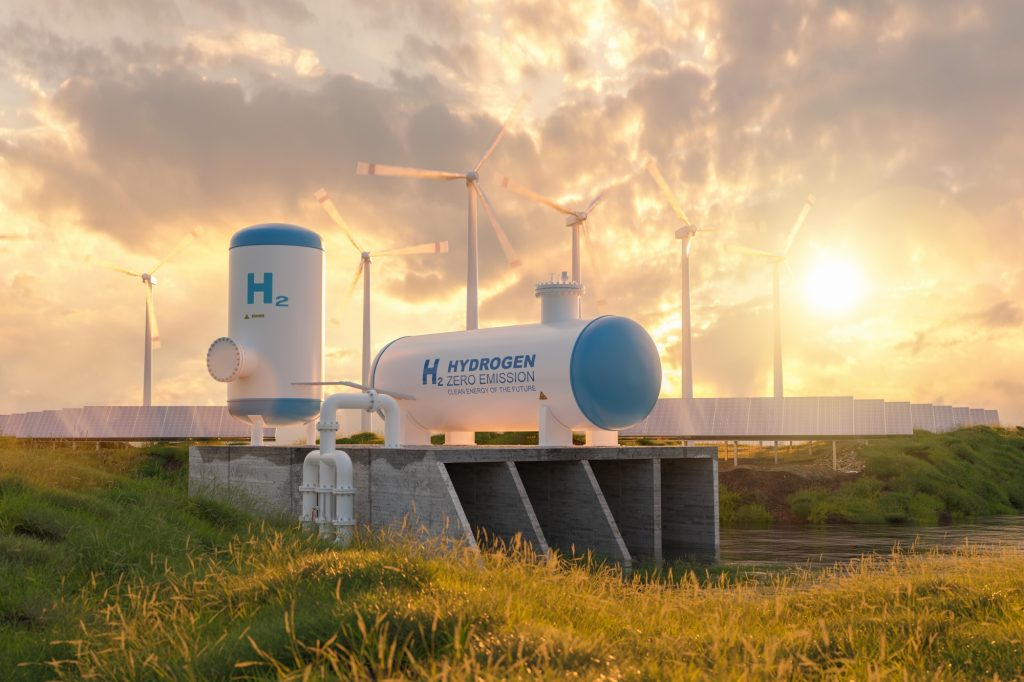

In the global push for a zero-carbon future, hydrogen is emerging as a pivotal element. Recent discussions have highlighted its current applications, existing challenges, and future potential.
- Hydrogen is already being utilised in various sectors, yet its widespread adoption faces significant barriers.
- The UK’s recent hydrogen strategy outlines the government’s commitment and approach to integrating hydrogen into the national energy mix.
- Major infrastructure projects, such as the Lower Thames Crossing, are exploring hydrogen as a key component in reducing carbon emissions.
- Experts from Arthur D. Little shed light on these developments in a compelling podcast episode.
Hydrogen, often regarded as the fuel of the future, is gradually carving a niche in the global energy landscape. Despite its potential, there remain hurdles to overcome before it can be universally adopted. Presently, hydrogen is employed in diverse fields such as transportation and industrial processes, yet its full-scale adoption is hindered by concerns over cost and infrastructure readiness.
The UK’s newly unveiled hydrogen strategy aims to address these barriers by setting clear goals and pathways for hydrogen integration. The strategy outlines specific measures, including investment in hydrogen production and utilisation, to position the UK as a leader in the low-carbon economy. This commitment is underscored by significant initiatives like National Highways’ utilisation of hydrogen at the Lower Thames Crossing.
National Highways’ Lower Thames Crossing project is at the forefront of hydrogen adoption in civil engineering. By incorporating hydrogen-powered machinery, this landmark construction project aims to demonstrate the practicality and effectiveness of hydrogen as a sustainable energy alternative. Such endeavours signal a broader shift within the industry towards greener practices and highlight hydrogen’s potential role in achieving net-zero targets.
In a recent podcast, experts from Arthur D. Little delve into the intricacies of these developments. They stress the importance of overcoming technical and logistical challenges to facilitate hydrogen’s broader application. With a detailed examination of hydrogen’s current usage, the podcast provides valuable insights into the transformative role hydrogen could play in the energy transition.
The podcast underscores hydrogen’s potential as a cornerstone of the future energy landscape, contingent on overcoming key adoption challenges.

