
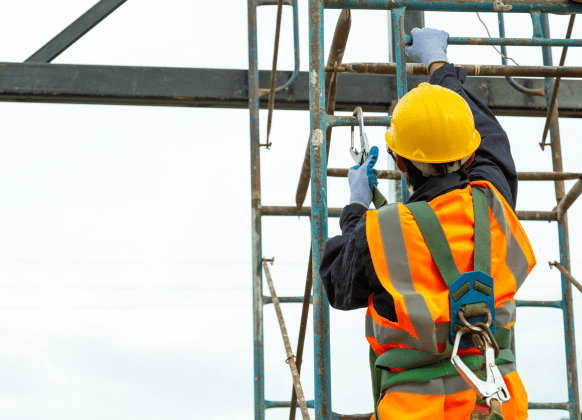

The No Falls Foundation has introduced ‘No Falls Week’ to spotlight safety in height-related work.
- HSE data indicates a troubling rise in fatal accidents from falls between 2022 and 2023, with a total of 13,000 recorded injuries.
- Common severe injuries from height falls include head trauma, spinal injuries, and rib fractures.
- Cardiac and aortic ruptures, although rare, have a high fatality rate before hospital arrival.
- Ben Hughes from Horizon Platforms emphasises proactive planning and safety equipment to mitigate risks.
The No Falls Foundation has launched the inaugural ‘No Falls Week’ to raise awareness on safe working practices for those engaged in work from height. This initiative comes in response to alarming data showing an increase in fatalities and injuries due to falls from height. According to Horizon Platforms, between 2022 and 2023, there were five more fatal instances, leading to a total of 13,000 injuries last year alone.
Falling from a height can result in severe head injuries, potentially causing life-changing brain haemorrhages or skull fractures. The danger extends to long-term disabilities or even death if the trauma is severe and left untreated. Employers are urged to enforce the use of PPE and follow strict safety guidelines to minimise these risks.
Spinal injuries from such falls can lead to permanent paralysis, drastically altering one’s life. Even non-paralysing injuries can lead to chronic issues, highlighting the importance of comprehensive training and suitable equipment provision by employers.
Rib fractures, another common injury, can lead to serious complications such as punctured lungs, highlighting the critical need for effective safety measures. Lung contusions, often resulting from falls, also pose significant health risks, including chronic breathing difficulties.
In severe cases, a fall might cause cardiac and aortic ruptures. These life-threatening conditions require immediate medical attention, but data shows a high death rate before hospitalisation, stressing the urgency of preventive measures.
Less serious yet significant injuries include fractures, sprains, and dislocations, all of which contribute to considerable downtime and financial strain on workers. The frequency of such injuries underscores the critical need for employers to prioritise safety measures in the workplace.
Ben Hughes, a training and compliance expert, outlines several essential strategies for employers to reduce the risks associated with working at heights. These include conducting thorough risk assessments, ensuring workers are competent and adequately trained, and using the right equipment, such as scissor lifts or cherry pickers. Regular equipment inspections and verified supplier credibility are also vital to maintaining a safe work environment.
The emphasis is placed on proactive planning and comprehensive training to avoid accidents. However, accidents are sometimes unavoidable, making it imperative for on-site staff to respond effectively when they occur. Quick and calm responses, alongside immediate medical assistance, can significantly alter the outcomes of such incidents. Furthermore, reporting incidents to senior staff is crucial for proper recording and investigation.
Height safety is critical, requiring rigorous management and preventative strategies to protect workers.

