
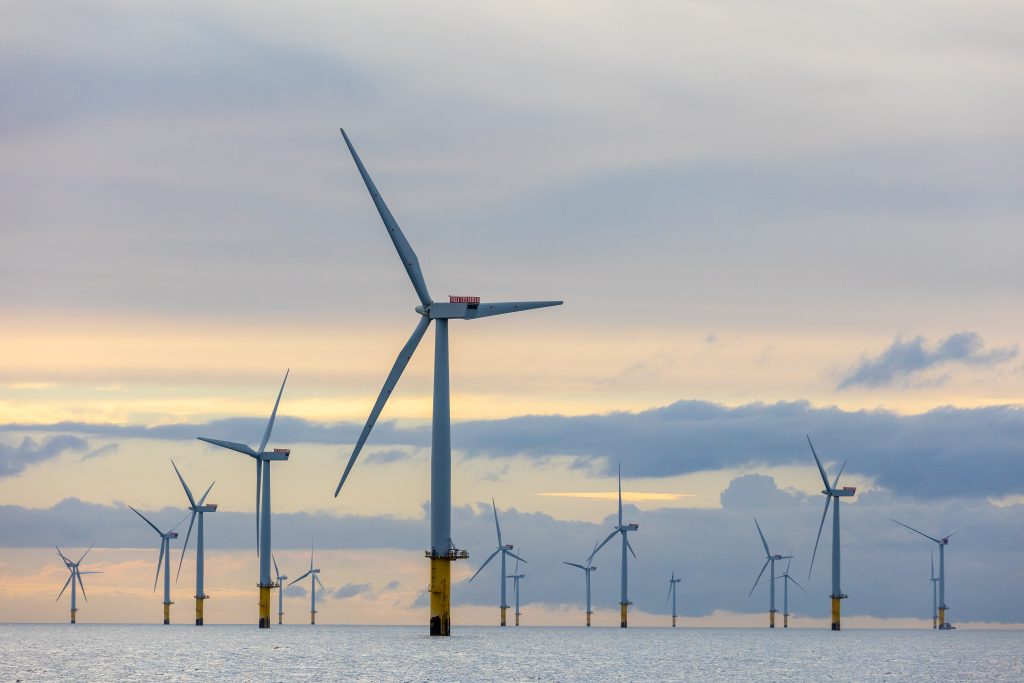

The UK’s offshore wind energy sector has seen significant growth in the past 25 years, becoming the second largest producer globally.
- A recent report highlights the UK’s 14.7GW offshore wind capacity, contributing 17% to the national energy mix.
- Key figures emphasise the critical role of offshore wind in achieving the UK’s net-zero targets by 2050, with plans to reach 50GW by 2030.
- Challenges exist, including maintaining investment attractiveness amid global competition and ensuring supply chain readiness and domestic capabilities.
- Strategic plans and investments aim to address these challenges, focusing on speeding up development cycles and integrating biodiversity considerations.
The UK has seen exponential growth in its offshore wind energy sector since the commissioning of the Blyth offshore wind farm nearly 25 years ago, positioning itself as the second-largest producer of offshore wind energy globally. The Crown Estate’s 2023 UK Offshore Wind Report reveals a current installed capacity of 14.7GW from 45 offshore wind farms housing 2,766 turbines, generating 49TWh in 2023, which constitutes 17% of the UK’s overall energy supply.
Gus Jaspert, the managing director, marine, at the Crown Estate, states unequivocally that offshore wind energy is vital to the UK achieving its net-zero emissions target by 2050. Forecasts indicate offshore wind will contribute between 37% and 50% of the UK’s energy supply. The government has set an ambitious target to increase offshore wind capacity to 50GW by 2030. Jaspert is optimistic, citing 93GW of projects in various stages of development, although he warns some may not progress due to consenting or capacity constraints.
A pressing issue is keeping the UK competitive on the global stage to attract investment, with most development funding sourced internationally. The failure of Allocation Round 5 (AR5) to secure bids for offshore projects underscored the challenge, attributed to the offered strike price not meeting developers’ expectations. Subsequent government action raised the maximum strike price ahead of Allocation Round 6 (AR6), adjusting for global economic conditions and supply chain pressures.
Jaspert highlights a current supply chain crunch as a result of heightened demand coupled with inflationary pressures, stressing the UK’s need to expand its domestic supply capabilities. The Offshore Wind Industry Council projects employment within the sector to increase significantly by 2030, necessitating improved skills and broader supply chain development. The Crown Estate has been proactive, producing an Industrial Growth Plan designed to create jobs and support economic growth in line with net-zero initiatives.
A bold initiative from the Crown Estate is the Whole of Seabed Programme, which seeks to digitally map seabed spaces to optimise the placement of offshore wind farms while considering various industrial and ecological needs. This forward-thinking approach is set to enhance the speed and efficiency of project delivery, potentially reducing development cycles down to five years, consequently diminishing cost and investor risk.
Furthermore, the Crown Estate is committed to environmentally responsible development, incorporating biodiversity net gain into its planning processes and working with conservation bodies to mitigate environmental impacts. By ensuring that offshore wind projects coexist with marine biodiversity and other seabed uses, the UK aims to sustain balanced growth across all sectors.
The UK is strategically advancing its offshore wind sector, balancing growth with environmental considerations to secure its energy future.

