
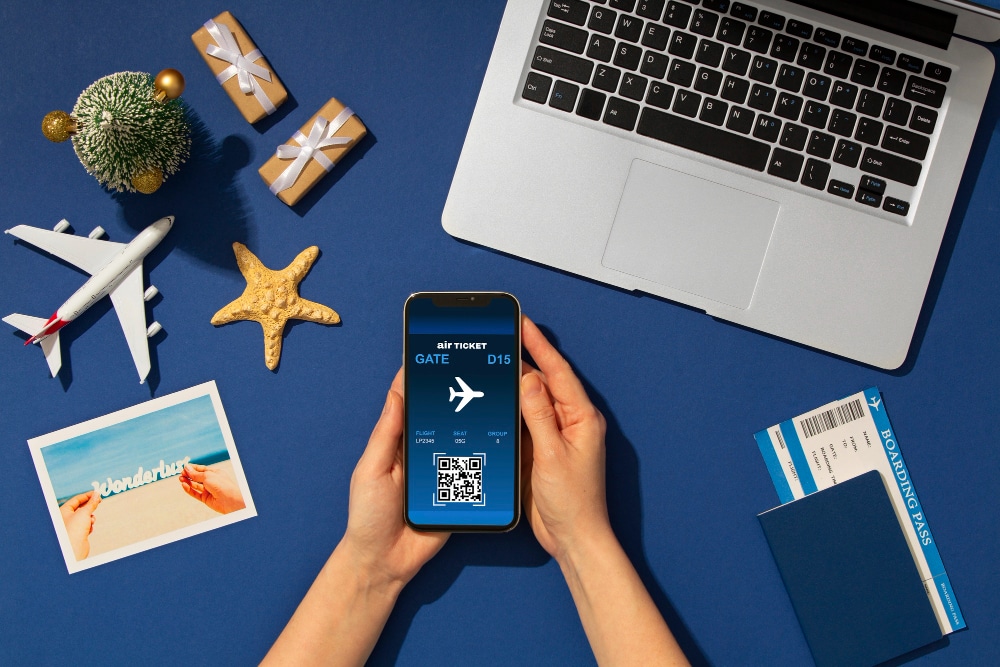

The rhythm of airports is unique. With coffee cups in one hand and boarding passes in the other, the departures hall at Chicago O’Hare feels half asleep in the early morning. Travelers look anxiously at their phones as screens flash gate numbers. A subtle shift has been taking place in the airline industry somewhere between the security line and the lounge entrance.
Loyalty programs operated in a straightforward manner for many years. Travel farther, accrue more points, and eventually redeem them. It resembled a machine. However, it seems that airlines are quietly rewriting that system lately, heavily relying on artificial intelligence to change the definition of loyalty.
| Category | Details |
|---|---|
| Industry | Global Airline & Travel Industry |
| Focus | AI-Driven Loyalty Programs |
| First Major Frequent-Flyer Program | American Airlines AAdvantage (1981) |
| Technology Trend | Machine learning, predictive analytics, real-time personalization |
| Traveler Adoption | About 40% of travelers already use AI tools when planning trips |
| Key Strategy | Personalized rewards, predictive offers, cross-industry partnerships |
| Reference Source | https://www.oag.com |
The change wasn’t made overnight. Since their introduction in the early 1980s, traditional frequent-flyer programs have grown to be massive sources of profit for airlines. Travelers treated points almost like a second currency, and banks bought billions of miles to offer through credit cards. However, the experience became monotonous at some point. Younger passengers started treating airlines as interchangeable, and travelers accumulated points but frequently found it difficult to use them.
In airport lounges, it’s difficult to ignore the annoyance. When browsing redemption options, a business traveler may come across rewards that seem strangely far away, complex tier rules, or blackout dates. Recognizing the weariness, airlines have begun experimenting with a new approach: loyalty programs driven by predictive algorithms.
The concept is surprisingly straightforward. Large volumes of consumer data are already gathered by airlines, including past reservations, preferred seats, frequency of travel, spending trends, and even mobile app browsing habits. These days, AI systems use that data to predict what a traveler might want before they even ask.
Imagine arriving in New York following a flight delay. Based on the traveler’s previous behavior, an airline app could instantly offer a lounge pass, a hotel discount, or a ride-share credit instead of sending a generic apology email hours later. Instead of merely responding to issues, the technology makes an effort to anticipate them.
Executives at airlines frequently refer to this as “contextual loyalty.” It feels more like a digital concierge silently observing each stage of the trip when you watch it in action.
The change also represents a more general change in the expectations of travelers. People have become accustomed to receiving tailored recommendations from social media feeds, shopping apps, and streaming services over the last ten years. Strangely, travel continued to adapt more slowly. A loyalty program that used to seem sophisticated—earning miles through years of travel—now faces competition from apps that can forecast what movie a user might like to watch tonight.
AI modifies the calculations. Millions of traveler interactions can be analyzed by machine-learning models in a matter of seconds, producing customized offers that show up instantly. Bonus rewards for flights to the Caribbean may appear out of nowhere for a traveler who frequently visits beach destinations. Flexible upgrades or packaged travel packages may be offered to someone who frequently makes last-minute travel arrangements.
Additionally, instead of focusing on discrete programs, airlines are experimenting with loyalty ecosystems. Travelers can earn or redeem rewards in everyday life thanks to partnerships with lodging facilities, banks, dining establishments, and even entertainment platforms. “Earn anywhere, burn anywhere” is a common expression in the industry, implying a loyalty currency that extends beyond the aircraft cabin.
This shift seems to be being pushed by younger travelers, especially Gen Z. According to surveys, nearly 90% of baby boomers and only about 65% of Gen Z travelers use airline loyalty programs. The generational divide suggests a change in culture: younger tourists value instant gratification over long-term benefits.
The airlines have noticed. Gamified loyalty features, such as progress bars, micro-rewards, and surprise bonuses given through mobile apps, are currently being tested by some carriers. Travelers may unlock minor benefits along the way, such as priority boarding for a single trip, discounted lounge access, or customized travel bundles, rather than waiting years for a free flight.
The technology that powers these systems is surprisingly intricate behind the scenes. In the past, booking systems, loyalty databases, customer support platforms, and partner networks were frequently isolated from one another. These days, AI systems try to combine those data streams into a single, continuously updated profile for every traveler.
However, there are concerns about the shift. Gathering and evaluating massive volumes of consumer data is necessary for personalization. While some travelers appreciate the convenience, others are concerned about their privacy. Skepticism persists despite airlines’ insistence that security measures are being incorporated into new systems.
Loyalty programs seem to be gradually evolving from marketing gimmicks into comprehensive digital ecosystems as the industry changes. The stakes are very high for airlines. Through collaborations with banks and travel agencies, loyalty programs already bring in billions of dollars every year. Even a small increase in engagement through AI could have a significant financial impact.
The next generation of airline loyalty might not even resemble a point system. Travelers may engage with an intelligent platform that continuously modifies benefits in response to their behavior, rather than calculating miles after each flight.
It’s simple to miss these subtle technological changes when you’re standing close to the departure gates at a busy airport. Passengers rush by, scanning digital boarding passes or checking notifications. However, algorithms are analyzing patterns within those apps to forecast future travel, rewards, and possibly even loyalty choices.
And that forecast may prove to be more valuable than miles ever were for a sector that has long struggled to foster true customer loyalty.

