
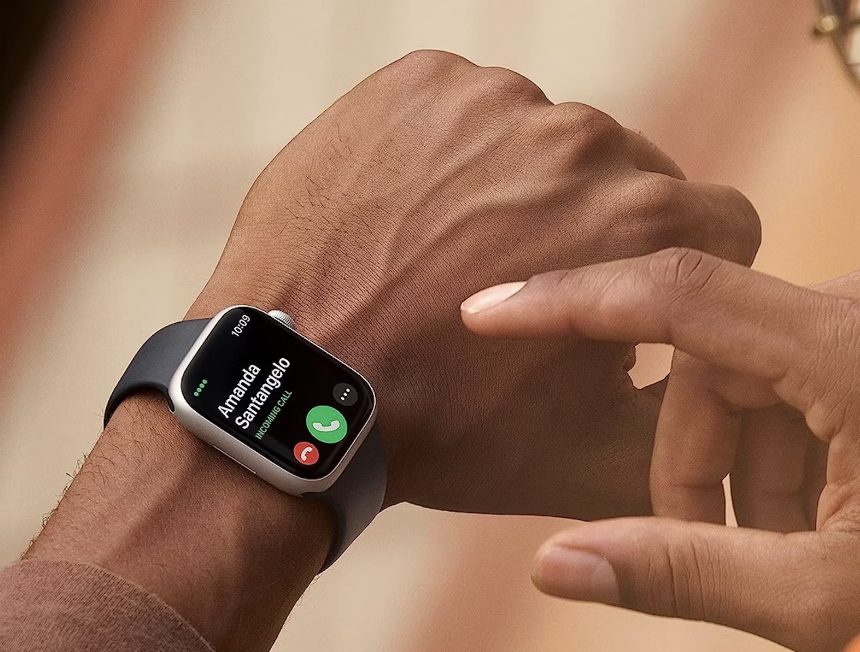

The Apple Watch, since its inception, has embraced numerous technological advancements. Cellular connectivity stands out as a major feature, prompting many to question its value.
With the ability to remain connected independently of an iPhone, the cellular Apple Watch offers significant advantages. However, these enhancements come at a cost, both financially and in terms of battery consumption.
The Appeal of Going Cellular
The addition of cellular connectivity to the Apple Watch represents a key progression for wearable technology. By allowing users to leave their iPhones behind and remain connected, the Apple Watch with cellular offers unmatched convenience. Fitness enthusiasts find this particularly advantageous, as they can track workouts, stream music, and receive important alerts while on the move, without the need to carry their phones.
For those who lead active lifestyles, the ability to make calls, send messages, and access Siri without halting their activities is particularly beneficial. This advancement allows for seamless communication while engaging in activities such as running or cycling, contributing to a more versatile user experience. The integration of cellular capabilities transforms the smartwatch into a standalone device.
Staying Connected Within the Family
The Family Setup tool enhances the Apple Watch’s utility by enabling users to configure the device for family members without needing an iPhone. This serves as an excellent solution for older family members or children, who can use features like emergency calls and messaging without requiring a separate phone.
Moreover, the capability to make and receive calls directly on the Apple Watch is a distinct advantage, especially in scenarios where the iPhone is inaccessible. Whether running errands or exercising, the cellular version ensures that users remain easily reachable, even if their iPhone is left behind.
The Drawbacks of Cellular Connectivity
While the advantages of a cellular Apple Watch are clear, there are notable downsides. Primarily, the impact on battery life is a significant concern, as the cellular connection demands more power. Heavy usage, such as streaming music or frequent calling, may lead to faster battery depletion, necessitating more frequent charging and disrupting the user experience.
Additionally, the financial implications cannot be ignored. The cellular model typically incurs a higher upfront cost, approximately £110 more than Wi-Fi-only versions, along with ongoing data plan fees from mobile providers, which could accumulate substantially over time. For many, these additional costs negate the perceived advantages of cellular capabilities.
It is worth noting that the functionality provided by the cellular option may not be essential for everyone. Core features of the Apple Watch, including fitness tracking, Apple Pay, and Siri, remain accessible when connected to an iPhone or Wi-Fi network, offering a satisfactory experience for many users without the need for cellular connectivity.
Key Factors in Choosing a Cellular Apple Watch
When considering a cellular Apple Watch, individual needs and usage habits should guide the decision-making process. Users should evaluate how frequently they are away from their iPhones and whether the convenience of cellular connectivity justifies the associated costs.
For active individuals who are often on the go, particularly outdoor enthusiasts and fitness buffs, the ability to remain connected without a smartphone is invaluable. However, users must weigh these benefits against the potential impact on battery life and the additional financial burden from data plan subscriptions.
Family setup requirements may also influence the decision, as cellular connectivity is essential for maximising this feature’s potential. Ultimately, balancing these considerations will determine whether the cellular version meets specific needs more effectively than its Wi-Fi-only counterpart.
Assessing Costs and Benefits
The decision hinges on evaluating whether the additional monthly data charges and the higher price tag of a cellular Apple Watch are offset by the added convenience and functionality it offers. For some, the ability to leave the iPhone behind and still maintain connectivity justifies the cost.
However, it is prudent for potential buyers to assess whether the increased expenses align with their budget and lifestyle. For users primarily interested in basic functionalities, a Wi-Fi-only model may suffice, avoiding unnecessary expenditures.
Deciding on a cellular Apple Watch involves a careful consideration of the benefits against the outlay required. Weighing the seamless communication capabilities against the potential financial and operational costs is essential in making an informed decision.
Exploring Alternatives to Cellular Apple Watch
For those who find the cellular feature superfluous, exploring Wi-Fi only models of the Apple Watch is advisable. These models offer comprehensive functionalities, including Siri, fitness tracking, and Apple Pay, at a reduced price point, thereby serving as a cost-effective alternative.
Users may also consider leveraging existing connectivity options through apps such as Find My Friends or Life360, which facilitate location sharing and emergency contact features without necessitating cellular service.
The choice of prioritising affordability and core functionalities over cellular connectivity depends on individual preferences and lifestyle needs. Many users find that a Wi-Fi-only Apple Watch fully meets their everyday requirements.
Making an Informed Choice
Ultimately, the decision to opt for a cellular-enabled Apple Watch rests on personal preferences and necessities. The convenience of making calls and sending messages without an iPhone is undeniable, yet the implications on battery life and cost must be carefully considered.
For individuals whose lifestyles necessitate consistent connectivity, the cellular model might indeed offer indispensable value. Conversely, those content with Wi-Fi features may find that the significant financial savings are more aligned with their usage patterns.
Choosing a cellular Apple Watch depends on individual needs and usage habits. While offering unrivalled convenience and independence from the iPhone, it also imposes additional costs.
Evaluating lifestyle and budgetary considerations will guide whether the cellular model or the Wi-Fi version is the best fit. The Apple Watch remains a versatile device, enhancing daily activities regardless of the model chosen.

