
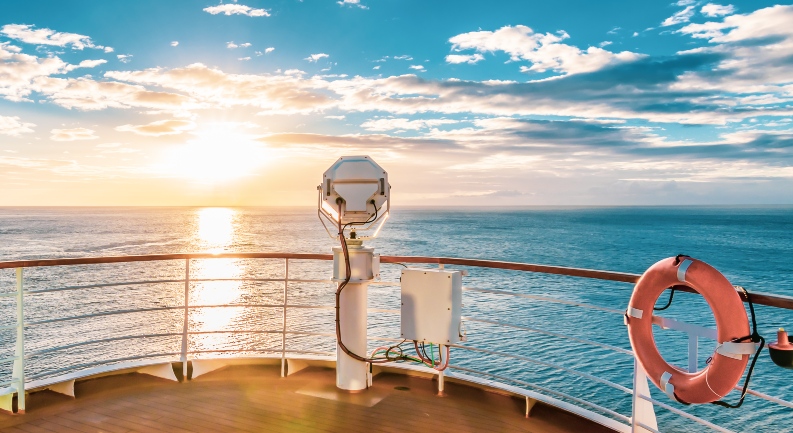

The cruise industry is exploring greener options through ship upcycling.
- Debate arises on whether older ships can be effectively renovated for sustainability.
- Constructing new ships demands significant resources, drawing environmental concerns.
- Industry leaders assert older ships can meet modern emission standards with updates.
- Upcycling ancient vessels is increasingly seen as an environmentally and economically viable option.
The cruise industry’s shift towards sustainability has sparked a debate on the viability of renovating older ships versus building new ones. While new ship constructions are often deemed environmentally friendly due to improved regulations, they require vast resource consumption, including over 25,000 tonnes of steel for a single mid-sized ship. This contrasts with the potential benefits of upcycling existing ships, which avoids excessive resource use.
Historically, refurbishing older ships was considered financially prudent yet stigmatized. However, this perception is changing as environmentally conscious travellers now appreciate the advantages of repurposing mature vessels. Nick Hughes, from Ambassador Cruise Line, emphasises that reusing ships aligns with modern emission standards and offers passengers traditional ship sizes appealing for diverse port visits, all while conserving resources.
The process of constructing a new cruise ship typically spans years, as demonstrated by examples like the Queen Mary 2, which took from 2000 to 2004 to complete. Conversely, renovating existing ships such as Ambassador’s revamped Ambition significantly reduces timeframes and associated carbon emissions, offering a more ecological and timely solution without the need for new builds.
Although repurposing older ships raises concerns about pollution, industry leaders like Hughes reassure that modern retrofits meet stringent carbon and NOx emission requirements. Upgrades include technologies such as the CS-MBR water treatment system on older vessels, proving that existing ships can achieve contemporary environmental standards and maintain passenger safety.
The longevity of this upcycling strategy, however, is subject to future regulatory demands. As emission standards tighten, older ships may require extensive powerplant modifications, questioning their long-term feasibility compared to new ships equipped with advanced technologies. Despite potential challenges, the environmental rationale for upcycling remains compelling, particularly when balanced with the substantial resource demands of new constructions.
The cruise industry’s trend towards upcycling reflects a pragmatic approach to sustainability, blending environmental care with economic viability.

