

The European Union unveils a £5.9bn investment to enhance sustainable transport across Europe.
- 134 projects were selected from 408 proposals, reflecting a competitive selection process.
- Major rail projects like Fehmarnbelt, Rail Baltica, and Lyon-Turin receive significant funding.
- Ireland’s ports gain a substantial share to bolster infrastructure and capacity.
- This investment underscores the EU’s commitment to a resilient and interconnected transport network.
The European Union has allocated a substantial £5.9bn to boost 134 sustainable transport projects throughout the continent as part of the Connecting Europe Facility (CEF). This funding comes after evaluating 408 applications for the CEF Transport 2023. The programme aims to bring state-of-the-art improvements to Europe’s transport infrastructure, creating a more cohesive network encompassing roads, railways, inland waterways, and short-sea shipping routes. Additionally, some projects promoting connectivity to maritime ports, airports, and multimodal terminals were selected for funding.
Among the most significant beneficiaries are the Fehmarnbelt, Rail Baltica, and the Lyon-Turin rail line. These projects represent crucial elements of the EU’s Trans-European Transport Network (TEN-T). The Fehmarnbelt Fixed Link, set to be the world’s longest immersed tube tunnel connecting Denmark and Germany, has received a funding injection of €159.5 million (£134 million). Danish transport minister Thomas Danielsen highlighted the international importance of this connection, emphasising its strategic role within the EU’s transport infrastructure.
Rail Baltica, an ambitious 870km high-speed rail project traversing the Baltic states, has been allocated €1.2bn (£1bn) for a variety of construction activities across Estonia, Latvia, and Lithuania. Magda Kopczynska, European Commission director general for mobility and transport, praised the project’s robust proposals and acknowledged the pressing need for improved connectivity highlighted by recent geopolitical tensions. The importance of this project in linking the Baltic states more effectively with the EU was made evident.
Another pivotal project, the Lyon-Turin line has secured €700 million (£588.6 million) for progressing its Mont Cenis base tunnel construction. TELT, the project’s promoter, celebrated Europe’s continued investment towards a more sustainable and efficient transport network, noting that significant progress had been made in the ongoing excavation works.
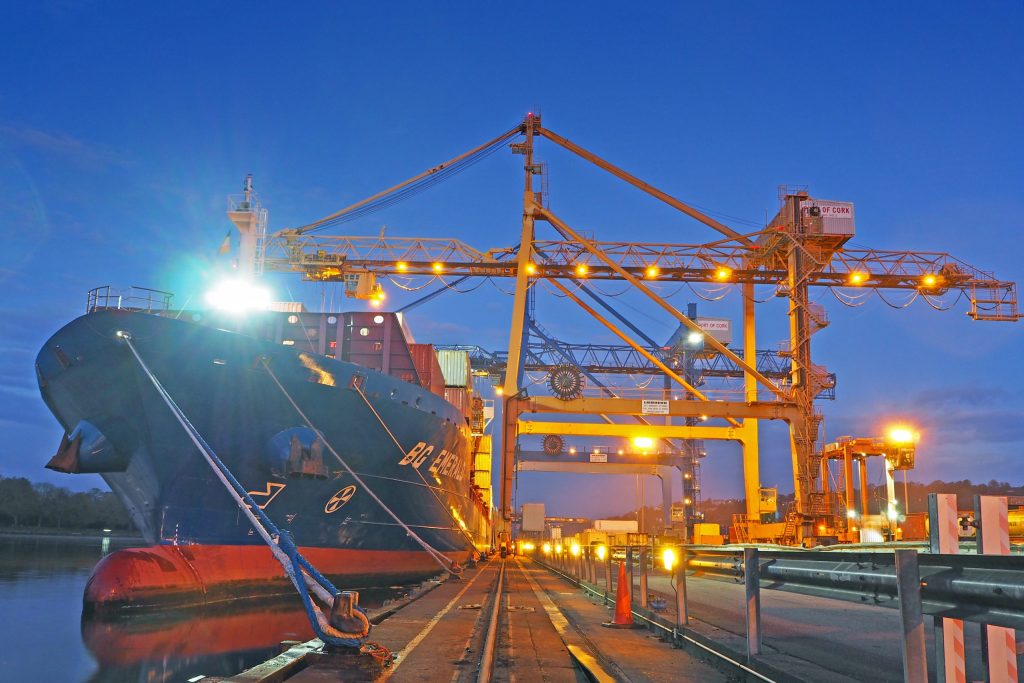
In Ireland, a significant sum of €112 million (£94 million) has been directed towards enhancing port infrastructure. Dublin Port Company will deploy a substantial portion, €73.8 million (£62 million), towards the ‘MP2’ Project, aimed at expanding berth capacity for future Ro-Ro freight demands. Meanwhile, the Port of Cork Company has been granted €38.4 million (£32.2 million) for extending its quay berths at Ringaskiddy deep water port. Irish officials have underscored the necessity of updating port facilities to foster economic resilience and accommodate burgeoning maritime activities.
The EU’s targeted investment exemplifies its vision for a future-ready transport network that embraces sustainability and connectivity.

