
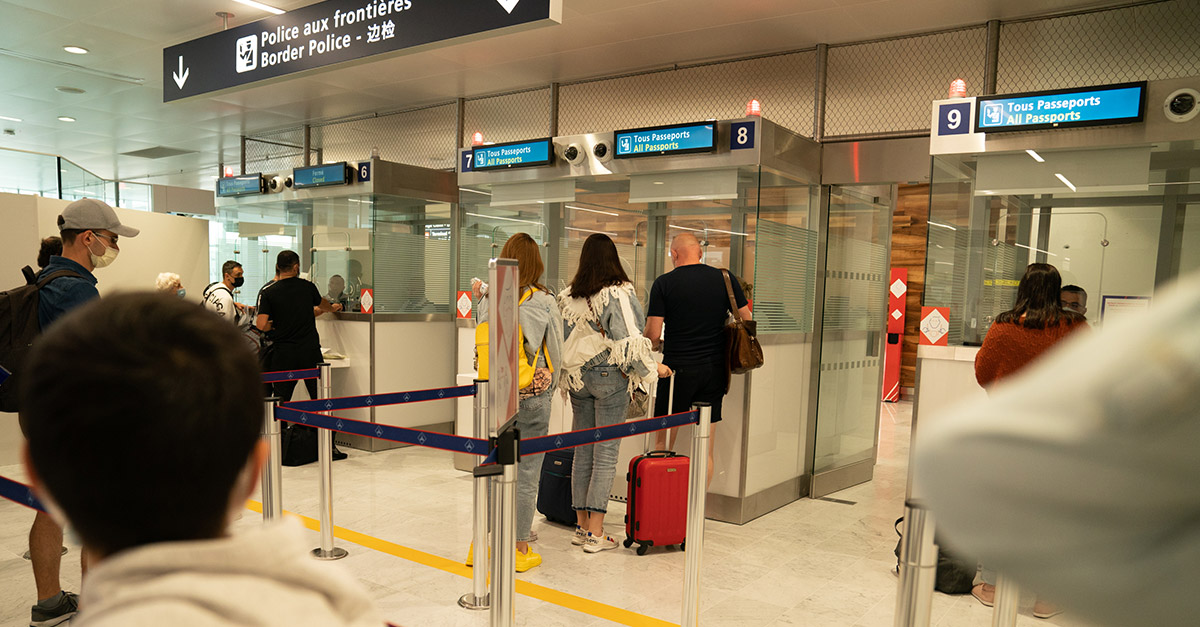

The European Union’s ambitious Entry-Exit System (EES) has encountered another delay, sparking widespread discussion across the continent.
Originally slated for October, the launch has been deferred to November due to logistical concerns, highlighting the complexities involved.
The implementation of the new European Entry-Exit System (EES), initially set for October, has been postponed once more. Concerns have mounted regarding potential disruptions during the October school half-term, prompting officials to reconsider the launch date.
The postponement to November 10 comes after significant pressure from French authorities, illustrating the complexity and cross-border implications involved. Such a delay highlights the challenges faced by the EU in balancing security enhancements with traveller convenience.
Under the EES, non-EU passengers will face new biometric check procedures, including fingerprinting and photographing upon arrival. This protocol aims to tighten security but is expected to increase processing times significantly.
Currently, passenger processing takes around 45 seconds. The new system will extend this period to approximately two to three minutes per traveller, raising concerns about prolonged wait times at various entry points.
Many stakeholders have expressed apprehensions about possible logistical challenges at key entry points like airports and cross-border rail services, particularly impacting Eurostar operations.
If the system is hastily implemented, there is a risk of bottlenecks, especially at the Port of Dover and St Pancras International, which are already critical junctions for international travellers.
An ’emergency’ option exists that could further defer the system’s roll-out to November 17 should unforeseen issues arise. Such flexibility underscores the operational uncertainty surrounding this initiative.
During the initial phase post-launch, authorities plan to allow border staff to bypass biometric checks at congested points, providing a temporary ‘relief valve’ to ease traveller throughput.
The EES project has faced multiple setbacks. Initially scheduled for May, it was postponed to October due to technical IT challenges and lobbying linked to the upcoming Olympics.
The European Commission has played a critical role in managing these delays, ensuring that member states are adequately prepared for the system’s eventual deployment.
Christian Wigand, spokesperson for the European Commission, indicated readiness was anticipated for autumn 2024, however, official dates remain undecided, pending further evaluation.
The Commission emphasises that the exact operational date will be prominently announced on the EES website, aiming for transparency and timely communication with the public.
Despite the setbacks, the EES remains a priority for enhancing EU border security. Yet, its future success relies heavily on strategic implementation and international cooperation among member states.
The EES aims to revolutionise border security within the EU. However, its success hinges on careful planning and execution amidst ongoing challenges.
With strategic coordination, the system holds the potential to enhance border protocols significantly.

